You’ve most likely spent a significant amount of money to move to Canada from another country, and the last thing you want to do is spend unnecessarily while settling in.
As you adjust to a new cost of living, unexpected expenses (these always seem to arise when making any big life change), and a whole new financial system, you want to be well-informed about how things work here.
This article provides practical budgeting tips for managing your money effectively as you adapt to life in Canada.
Understanding the cost of living in Canada
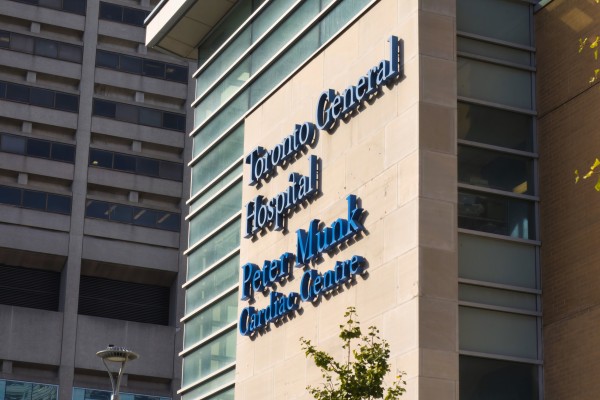
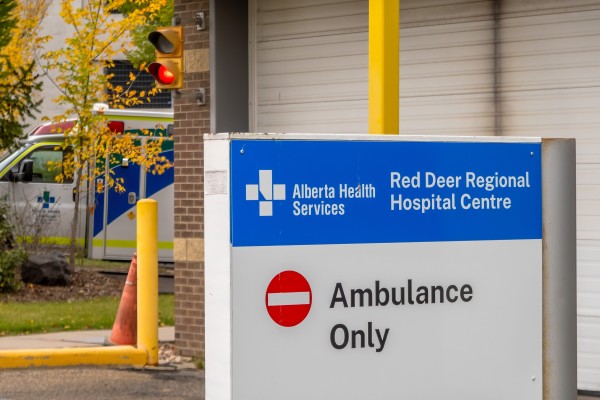
As a newcomer, familiarise yourself with the cost of living in Canada. Like most countries, your biggest expenses will be housing, transportation, groceries, healthcare and utilities. Luckily, with Canada’s universal healthcare system, called Medicare, there are fewer services that you have to pay for out of pocket in comparison to many other countries. However, our system isn’t perfect. You’ll need to consider some costly services not covered by Medicare.
Healthcare costs not covered by Medicare
-
Dentistry and orthodontics expenses
-
Optometry (vision care costs)
-
Physiotherapy and rehabilitation costs
-
Podiatry (foot care costs)
-
Prescription medication costs
 Cost of living differences by city
The cost of living varies from city to city in Canada. Therefore, we recommend doing more in-depth research on the cost of living in these main cities before deciding where to move.
Calgary
Edmonton
Montreal
Ottawa
Toronto
Victoria
Vancouver
Winnipeg
Set a realistic budget
The 50/30/20 rule
The 50/30/20 rule is a strategy for budgeting where you allocate percentages of your post-tax earnings to three categories.
-
50% goes towards your needs—such as rent/mortgage, groceries, transportation, insurance, and utilities.
-
30% goes towards your “wants”—like dining out, entertainment, subscriptions and travel
-
20% goes towards savings and/or debt—for example, an emergency fund, student loans, credit card payments, RRSP (Registered Retirement Savings Fund), or a TFSA (Tax-Free Savings Account). See below for more information on RRSP and TFSA.
Track your spending and set priorities
Another good idea is to track your income and monthly expenses. There are budgeting apps that can help you with this, many of which have a special feature in which they report your monthly spending patterns. You can even create a simple spreadsheet.
The best way to stay on top of finances is to pay your housing costs first—whether this is rent or mortgage. Then, pay any bills and set aside a realistic grocery and transportation budget. Whatever is left can be used for pleasure or savings.
It's smart to have a small emergency fund on hand (CA$500 -1000)—just in case something comes up, like an unexpected vet or dentist bill.
Housing costs in Canada
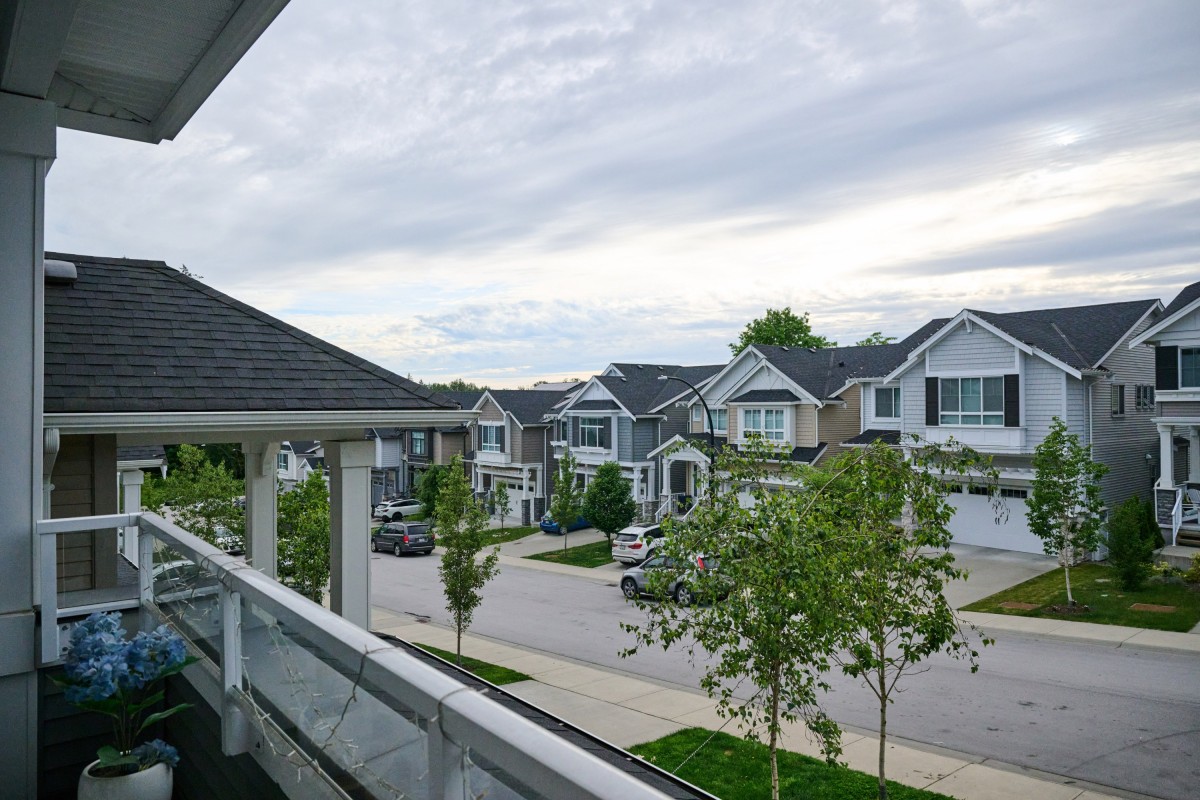
 Property is expensive in many parts of Canada, especially in cities such as Toronto, Calgary, Vancouver, downtown Montreal, and the entire province of British Columbia. Due to high housing prices and mortgage requirements, renting is often the best option upon arriving in Canada. BC and Ontario have rent control policies that limit how much landlords can increase rents.
Government programs, such as the CMHC Affordable Housing Fund, provide low-interest and forgivable loans to support the development of new affordable housing.
Another way to make housing more affordable is to opt for roommates, live in the suburbs on the outskirts of big cities, or live rurally.
Some of the best rental deals are found on listing platforms such as:
-
Craigslist
-
Kijiji
-
Facebook Marketplace
-
Rentals.ca
-
Padmapper
Remember that utilities such as electricity, heating, and Wi-Fi may not be included in the listed price.
Transportation expenses in Canada
Public transit
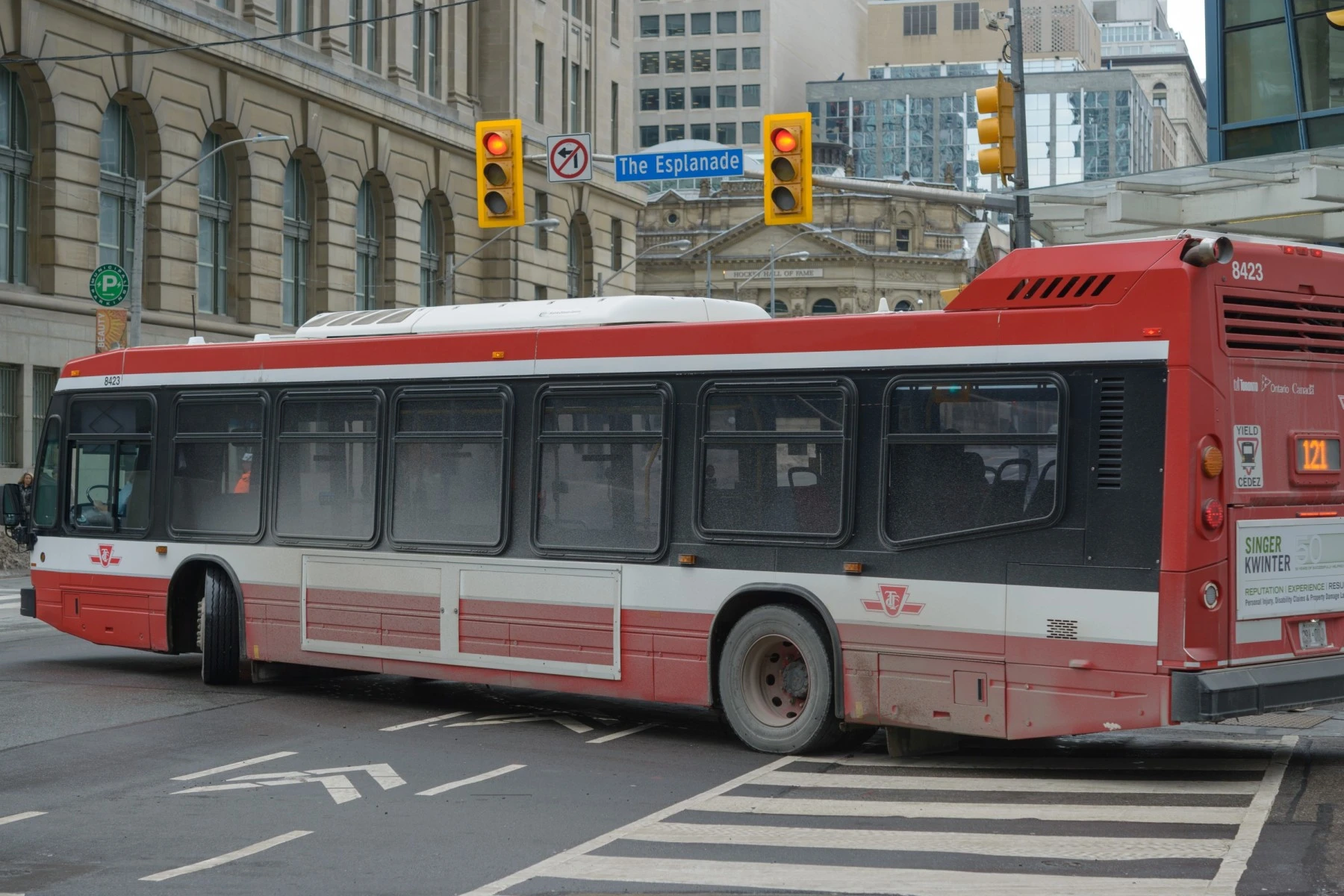
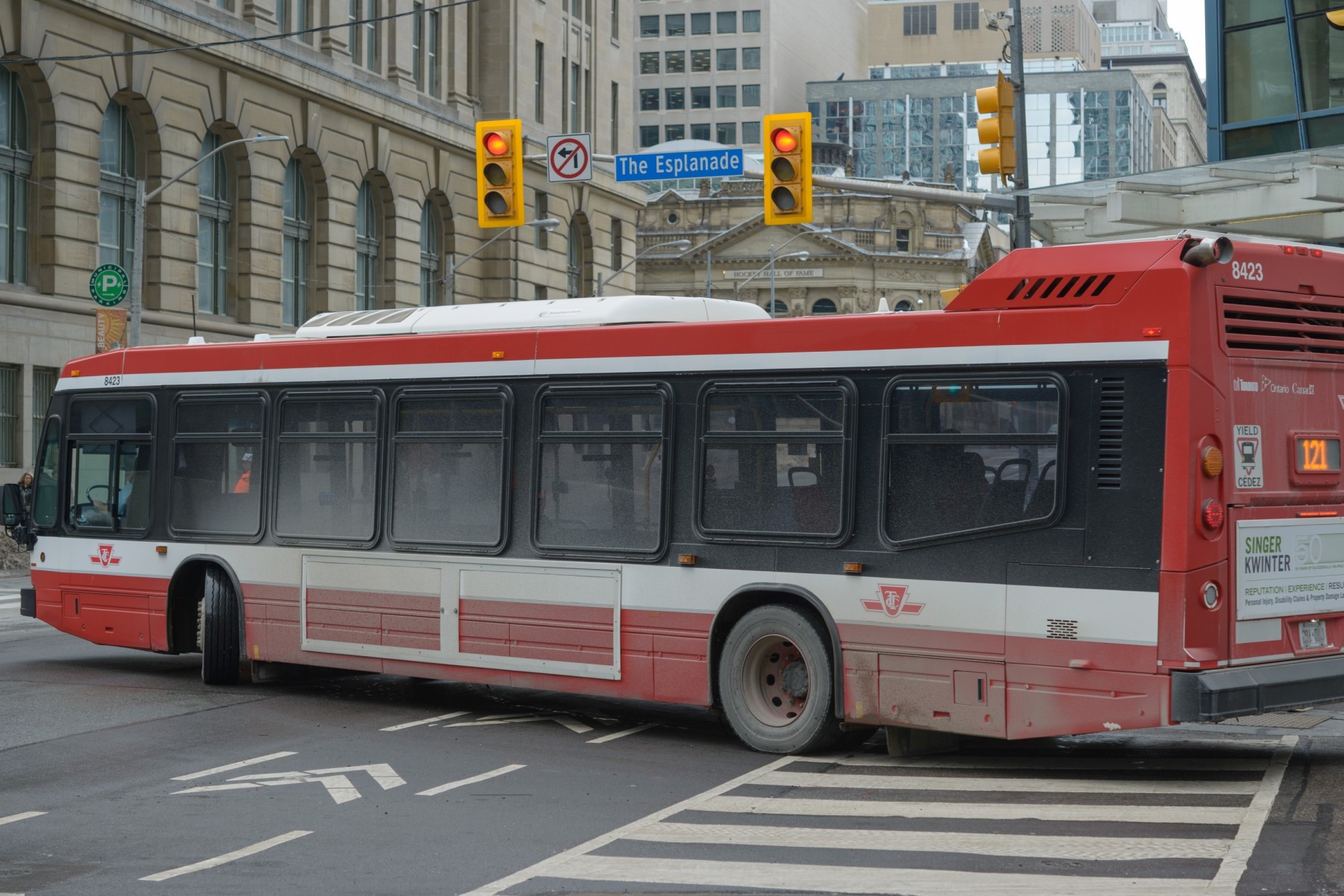
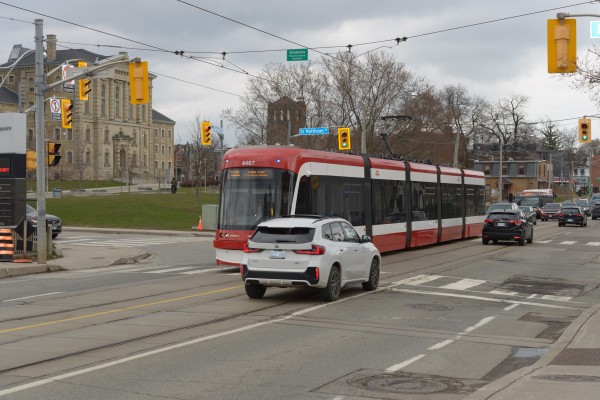
Major cities such as Toronto, Vancouver and Montreal have efficient transit systems with subways and buses. Vancouver even has a nifty Skytrain. Smaller cities and towns have bus systems, however, they can sometimes be slow, and they don’t always go where you need them to.
Depending on the city, monthly transit passes range from CA$90 to CA$160. Some cities have cards where you pre-load funds.
Luckily, students and seniors get discounted transit passes, and many companies offer employer transit benefits.
Owning a car
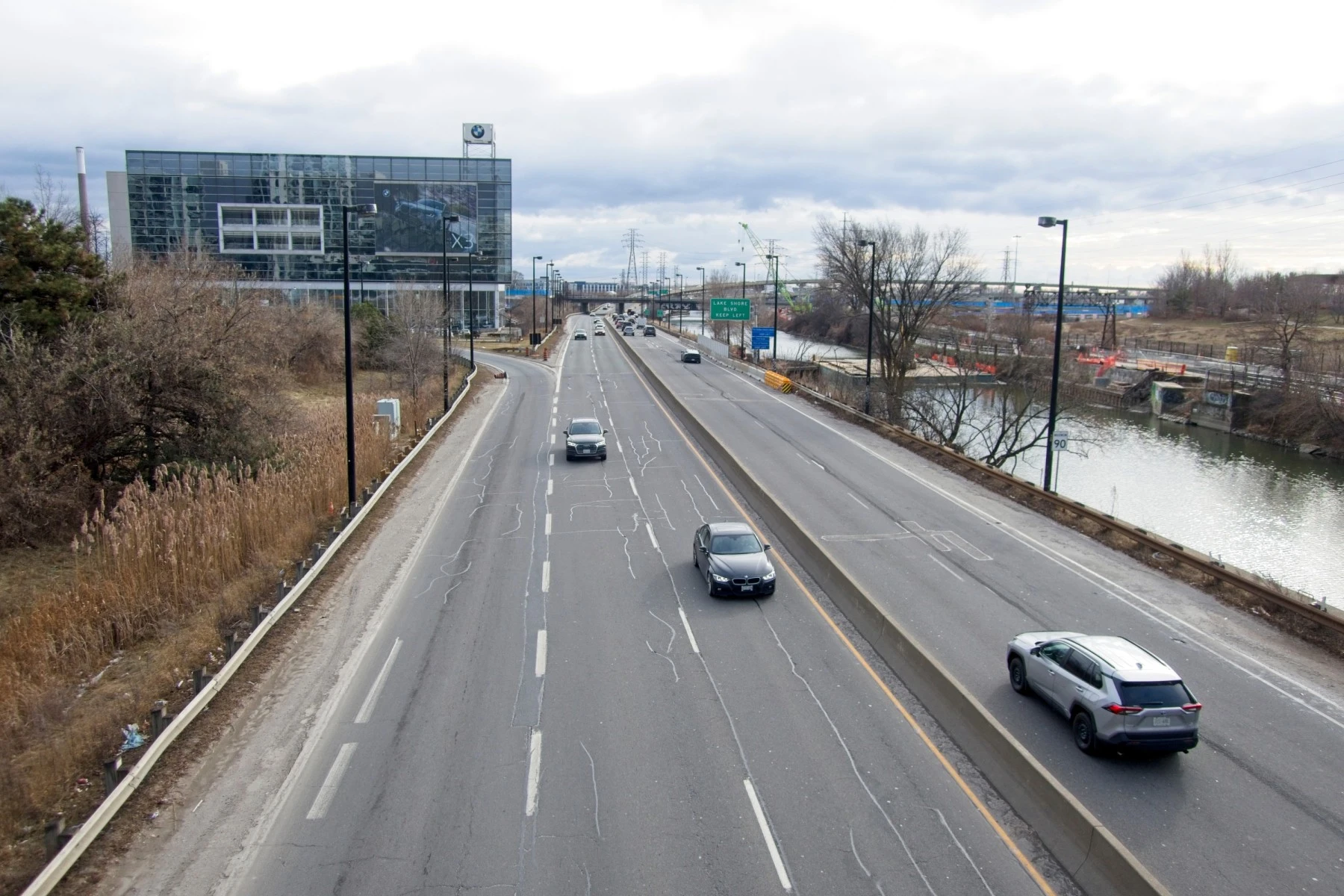
While owning a car is convenient, the costs can add up.
Car insurance is mandatory and varies by province. Fuel costs vary by province (for example, Alberta has significantly lower gas prices than neighbouring BC), and your monthly spend depends on gas prices, the type of vehicle you own, and how far and often you commute.
Don’t forget about maintenance. Regular oil changes and seasonal tire changes (everywhere except the west coast of BC) are part of owning a car in Canada.
Solutions such as commuting via bicycle, walking or using a car-share platform help to keep costs down when living in an urban setting.
Grocery shopping and food budgeting
Grocery tips
-
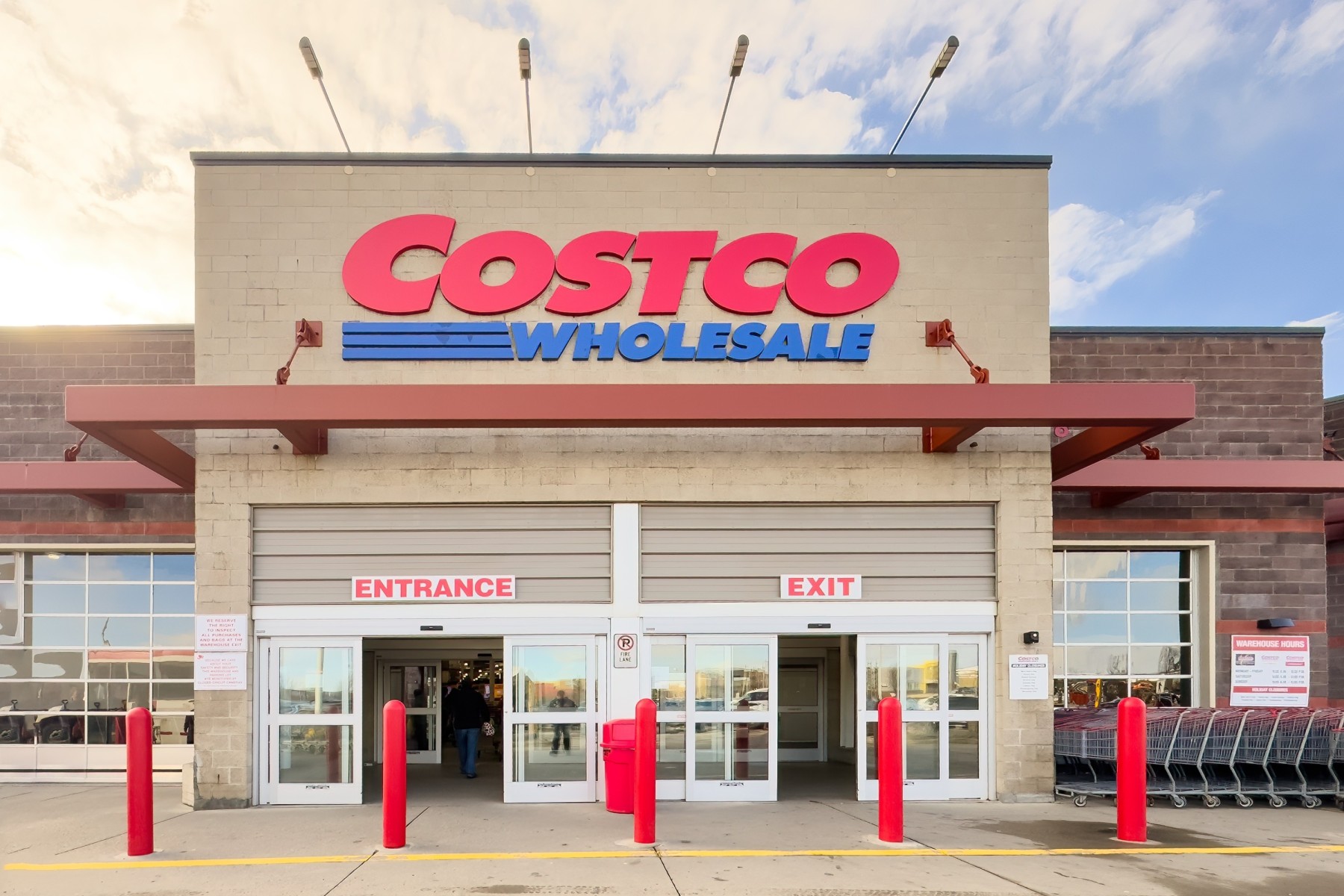
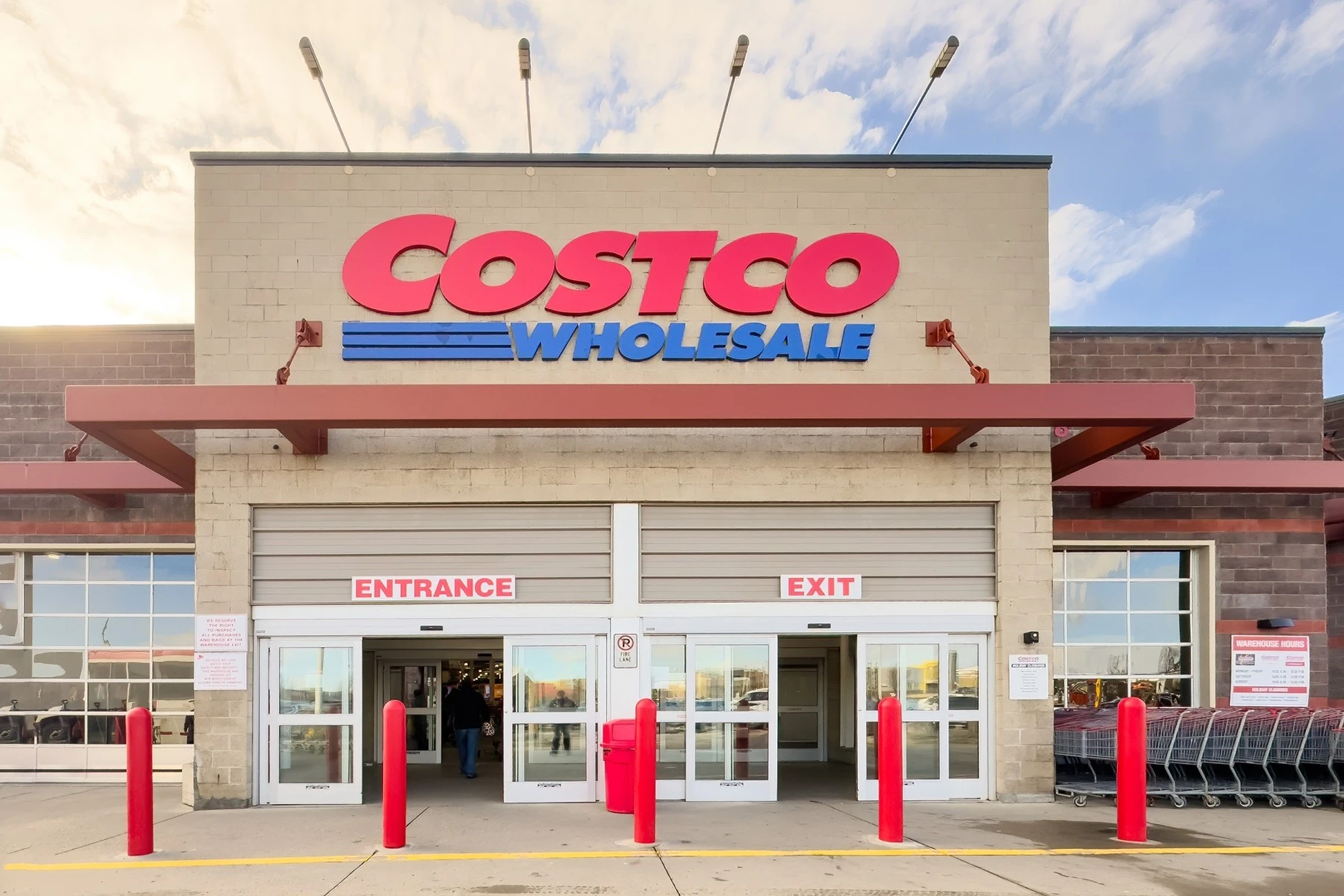
Buy in bulk at wholesalers such as Costco (you will need a membership), No Frills, and Wholesale Club.
-
Ethnic grocery stores often have excellent deals.
-
Grow a vegetable garden or grow veggies and herbs in pots on a balcony. Garden produce can be preserved for winter.
-
Make deals with farmers at farmers' markets for their “less-than-perfect” vegetables.
-
Look for sales and use coupons when shopping.
Unless you eat fast food, eating in restaurants or ordering delivery in Canada generally costs three times as much as cooking at home, or more.
Special savings options in Canada
TFSA
A Tax-Free Savings Account is an account that lets you save and invest money without paying taxes on what you earn.
You don’t get a tax break when you put money in, but any interest, dividends, or profits you make can be taken out tax-free. You can use a TFSA for savings or investments like stocks, bonds, and mutual funds.
RRSP
A Registered Retirement Savings Plan is an account that helps you save for retirement while reducing your taxes.
The money you put in is tax-deductible. This means it lowers your taxable income for the year. Your savings grow tax-free until you withdraw them. During retirement, your tax rate is usually lower. RRSPs can hold different kinds of investments like cash, stocks, bonds, and mutual funds.
Budgeting is the most important factor in financial success overall. Remember to adapt as your income and/or expenses change. Government resources and financial literacy programs can help you stay on top of your finances. Remember, small savings add up over time—the key is consistency and awareness of spending patterns.




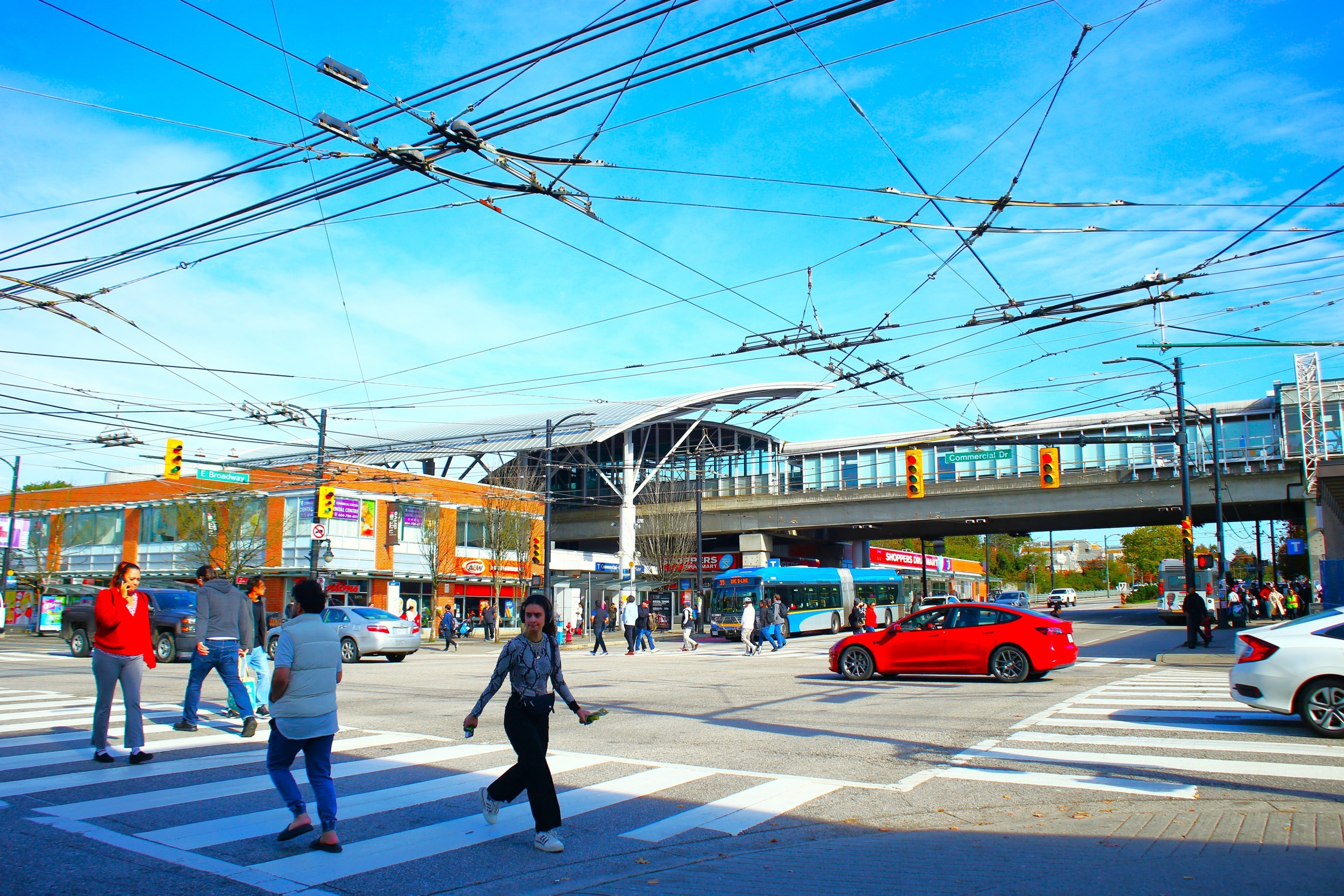
 Cost of living differences by city
 Property is expensive in many parts of Canada, especially in cities such as Toronto, Calgary, Vancouver, downtown Montreal, and the entire province of British Columbia. Due to high housing prices and mortgage requirements, renting is often the best option upon arriving in Canada. BC and Ontario have rent control policies that limit how much landlords can increase rents.