Did you know that Mandarin is the third most commonly spoken language in Canada, after English and French? And Cantonese is not far behind in fifth place!
Chinese New Year, also known as the Lunar New Year, is one of the biggest cultural celebrations across Canada. Each major Canadian city has its own Chinatown, which is the hub of Chinese culture. And once a year, these Chinatowns transform into an explosion of red lanterns, elaborate costumes, fireworks, and people coming together to connect to their cultural practices and each other.
Everyone is welcome, giving locals a chance to connect with different cultures in a joyful way. So, whether you’re looking to join in on the fun this year or just want to understand what all the festivities are about, this guide will unpack everything you need to know about how Chinese New Year is celebrated across Canada.
What is Chinese New Year?
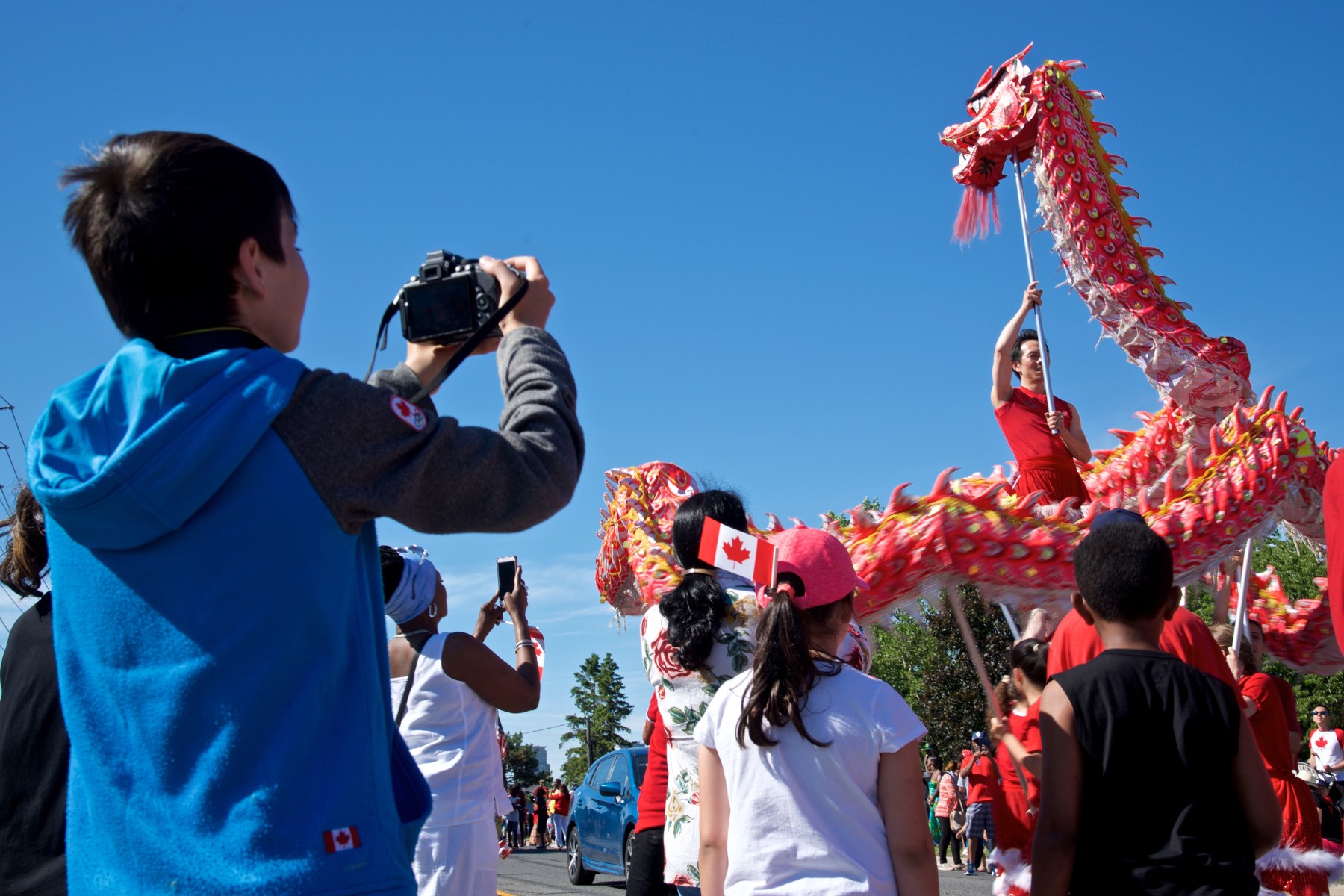
 Chinese New Year is based on the broader Lunar New Year, which is celebrated by approximately 15 cultures across East and Southeast Asia. Each culture has its own traditions, yet they all share themes of renewal, new beginnings, family, prosperity, and good fortune.
The Lunar New Year always falls sometime between January 21 and February 20, depending on the year. It follows the lunar calendar instead of the static Gregorian Calendar used in Western countries.
In 2026, Chinese New Year begins on Tuesday, February 17th, 2026, with celebrations running all the way until March 3rd. The new year is the Year of the Horse, traditionally linked to ambition, vitality, and embracing new opportunities.
Festivities traditionally begin on the first new moon of the lunar year and can last for several days or even weeks, as families visit relatives and communities host multiple events.
Why is Chinese New Year so big in Canada?
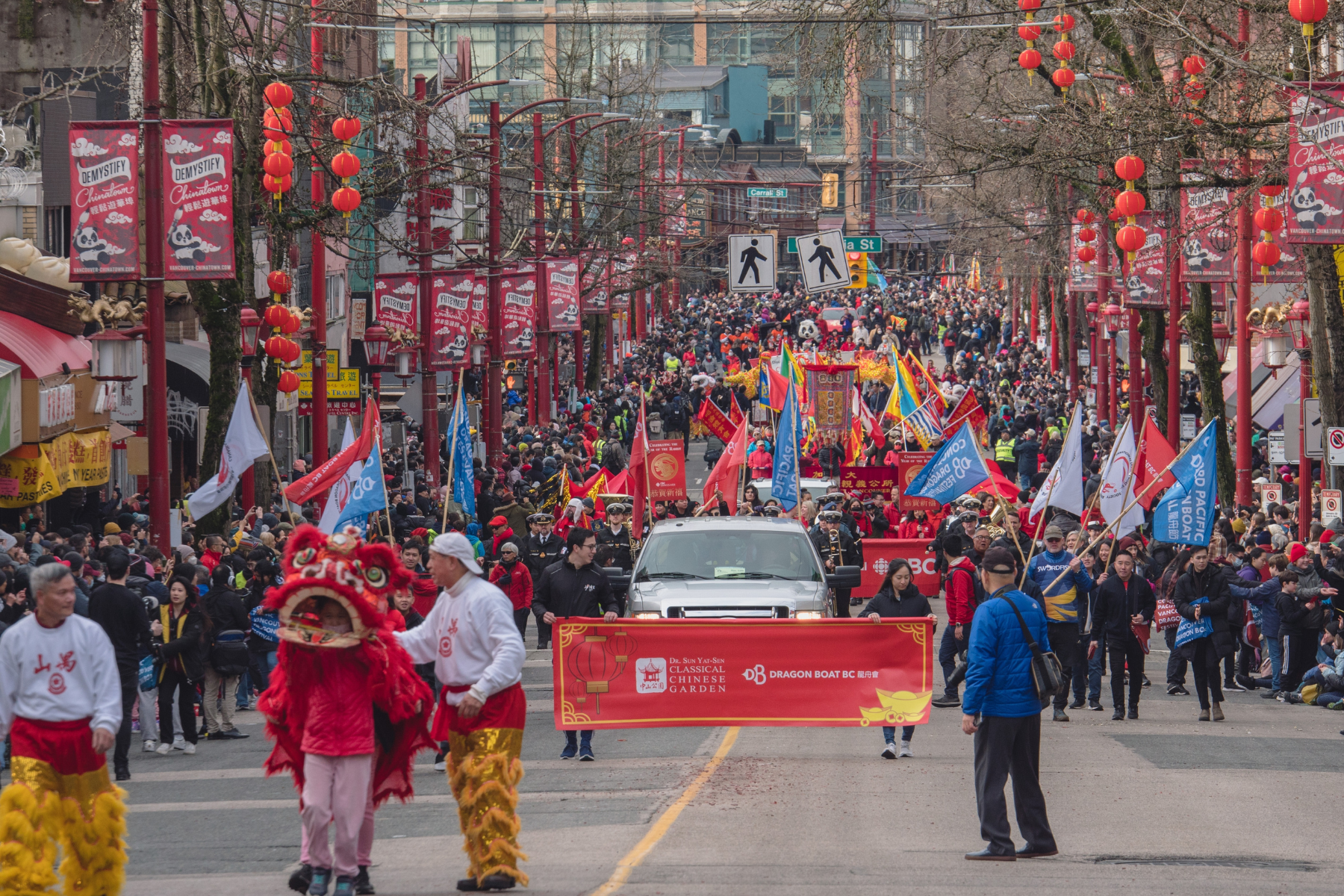
 In the mid-1880s, Chinese settlers started immigrating to Canada, mainly to work in gold mines and to help build the Canadian Pacific Railway. Surviving discrimination and exclusion laws, they still were able to put down strong roots and maintain their cultural traditions and identities, especially in BC and Ontario.
Over time, the communities grew through family reunification and skilled migration, and now Canada hosts over 20 recognized Chinatowns and multiple Chinese districts, with 5% of Canada’s current population having Chinese ancestry.
Second- and third-generation Chinese Canadians actively keep their traditions alive. With the added support of multicultural policies, celebrations like the Lunar New Year are large, inclusive, and open to the public.
How major cities across Canada celebrate Chinese New Year
Metro Vancouver
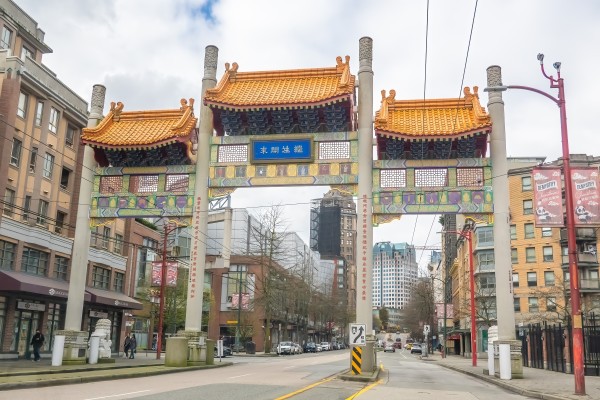
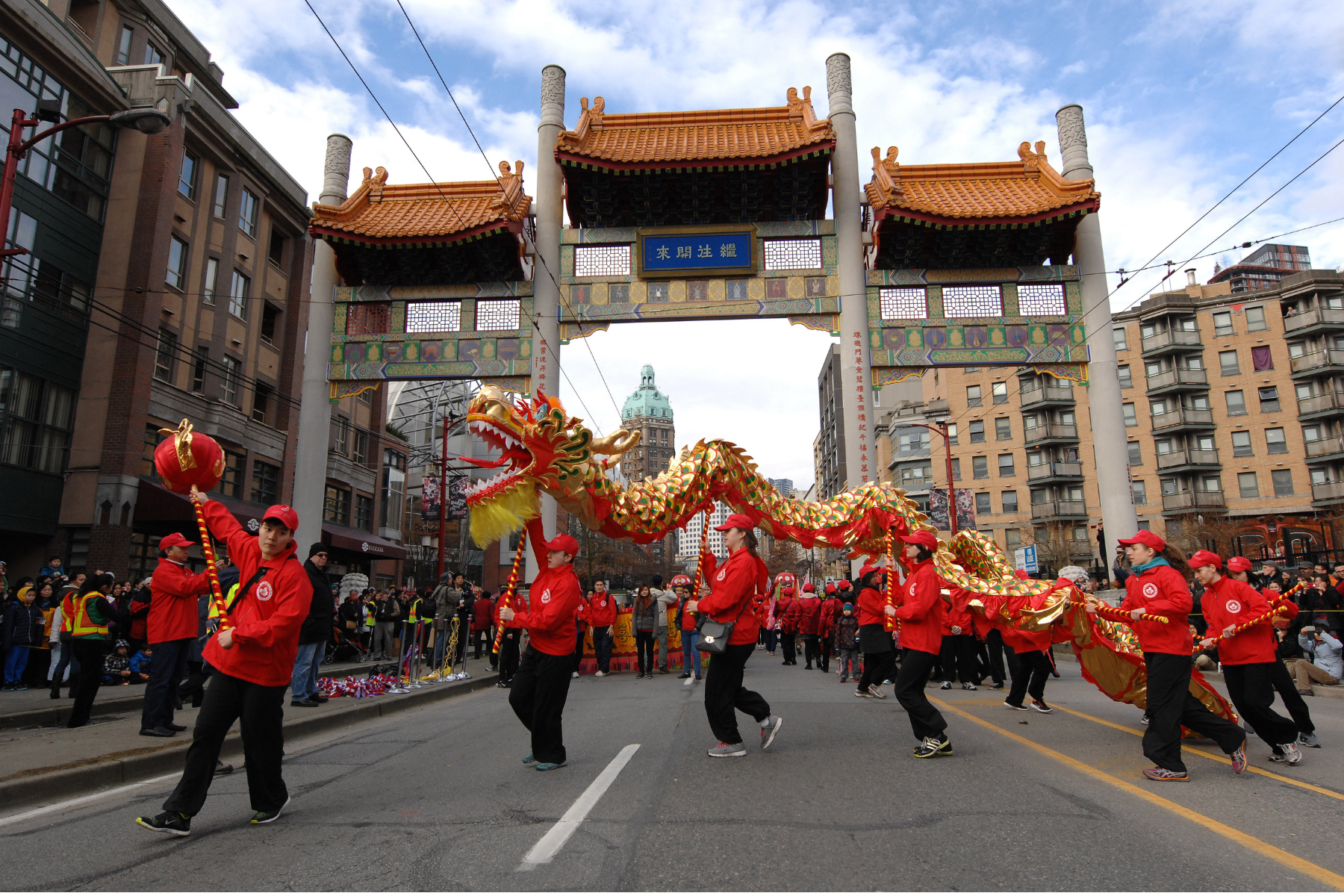
As Canada’s closest major city to China by distance, Vancouver hosts some of the largest and most active Lunar New Year celebrations in the country. Festivities include large parades, lion dances, and public festivals across Vancouver and Richmond, where many neighbourhoods have predominantly Chinese communities.
Celebrations extend far beyond the border of Chinatown, with shopping centres, community halls, schools, and public spaces all taking part.
Read our full neighbourhood guide to Vancouver's Chinatown.
Chinese New Year celebrations in Vancouver
Toronto and the Greater Toronto Area (GTA)
With such a large population in general, it's no surprise that Toronto hosts multiple celebration zones, including downtown, Scarborough and Markham, among others.
Dazzling parades, Chinese culinary events, beautiful cultural performances and treasure-filled night markets are all things to experience at Toronto’s Lunar New Year celebrations. Participants gather from near and far suburbs to join in on these huge events, making the whole experience even more impactful.
Chinese New Year celebrations in Toronto
Calgary, Edmonton and the Prairies
While smaller in scale, Lunar New Year celebrations across the Prairies continue to grow each year. Cities like Calgary and Edmonton host cultural galas, family-friendly festivals, and educational events with a strong community focus.
These celebrations are often more intimate, making them especially welcoming for newcomers.
Chinese New Year celebrations in Calgary
Montreal, Ottawa, and Eastern Canada
Lunar New Year celebrations in Montreal and Ottawa are celebrated throughout Chinatown districts, as well as Chinese community centres, schools, Buddhist centres, and other cultural institutions.
The East Coast celebrates as well, though the celebrations don’t compare with those of Canada’s major cities.
Chinese New Year celebrations in Montreal and Ottawa
So what goes on at Canadian Lunar New Year celebrations?
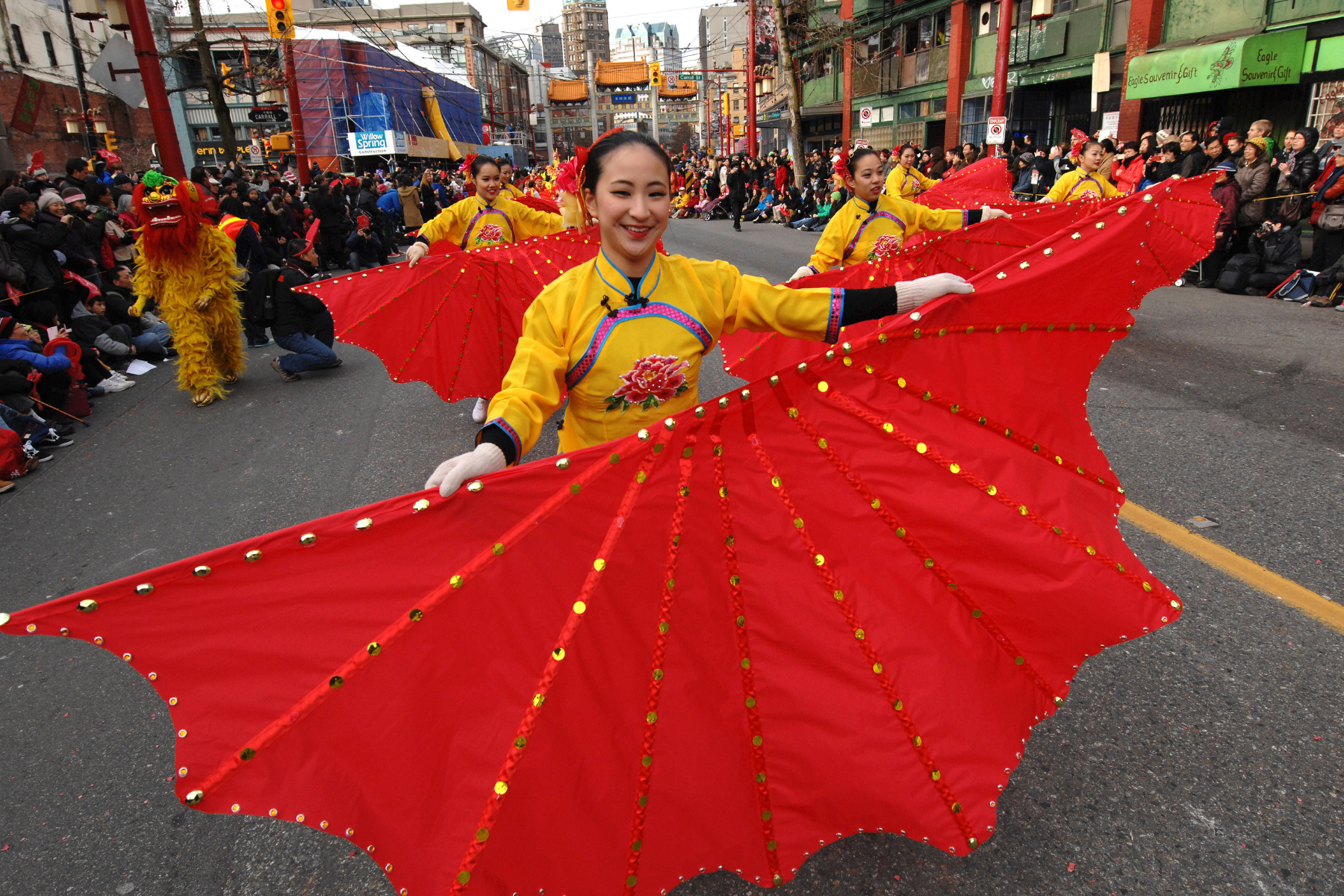
 If you want to join in on the festivities this year, there are definitely some exciting, family-friendly traditions that you don’t want to miss:
-
Lion and dragon dances, performed to bring good luck and prosperity
-
Red lantern displays decorating streets, shops, and public spaces
-
Elaborate window displays in Chinatown businesses
-
Red envelope (hongbao) exchanges, symbolizing blessings and good fortune, often given by elders to younger family members
-
Large family reunion dinners, especially on New Year’s Eve
-
Community banquets and cultural shows
-
Fireworks, depending on local regulations
What you should know about Chinese New Year celebrations in Canada

You don’t need to be Chinese to participate: Lunar New Year celebrations in Canada are open to everyone and designed to be inclusive.
Most events are free and public: Parades, street festivals, and performances typically don’t require tickets. Formal banquets or indoor shows may be ticketed.
Chinatowns are the main celebration hubs: If you ever aren't sure where to go to find a Chinese New Year celebration, you can never go wrong with Chinatown – you'll find the largest crowds, performances, decorations, and food stalls.
Celebrations often span several weekends: Even though the New Year starts on a specific date, cities may host events before and after the official day.
Public transport is usually the best option: Street closures and crowds are common during major events.
Wearing red is encouraged: Red symbolizes luck and prosperity and adds that extra festive flair.
Restaurants may be busier or temporarily closed: Some family-run businesses close for a day or two so staff can celebrate with family.
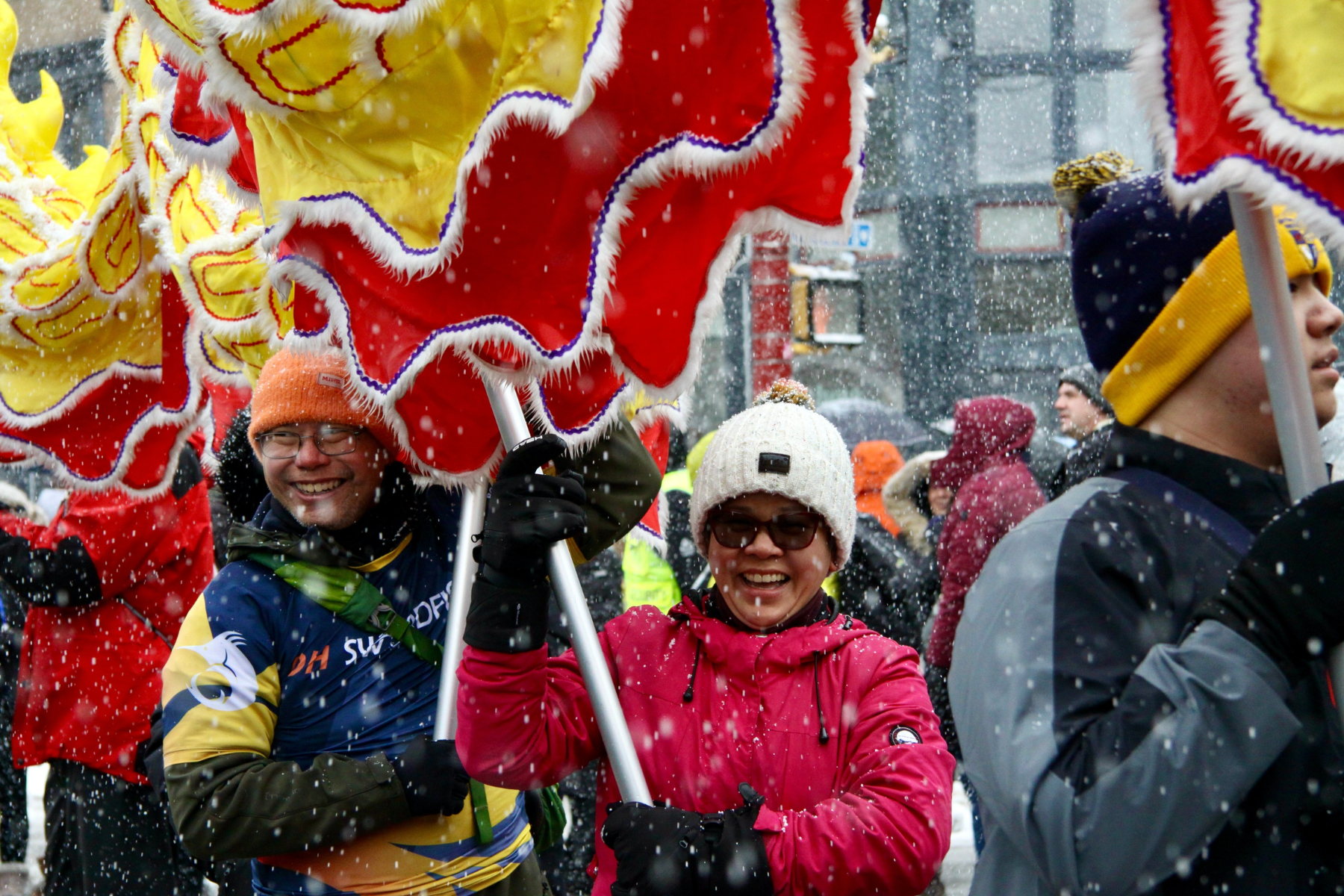
Have a weather backup plan: Check event updates in case of snow or extreme cold, as many celebrations move indoors or continue at shopping centres, cultural halls, and malls if conditions are poor.
Making the most of Chinese New Year as a newcomer
 If you’re new to Canada or settling into a new city, Lunar New Year celebrations offer more than just entertainment. They’re a great way to explore neighbourhoods, connect with local communities, and learn about the diverse cultural traditions that shape life in Canada.
Events like these can make settling into a new place feel easier and more welcoming. With Canada’s multicultural spirit on full display, the Year of the Fire Horse is the perfect time to step out, experience something new, and join in the celebrations.
And if you want to celebrate Canada’s diverse cultures throughout the year, check out our guide to all the cultural festivals in Canada.




 Chinese New Year is based on the broader Lunar New Year, which is celebrated by approximately 15 cultures across East and Southeast Asia. Each culture has its own traditions, yet they all share themes of renewal, new beginnings, family, prosperity, and good fortune.
 In the mid-1880s, Chinese settlers started immigrating to Canada, mainly to work in gold mines and to help build the Canadian Pacific Railway. Surviving discrimination and exclusion laws, they still were able to put down strong roots and maintain their cultural traditions and identities, especially in BC and Ontario.
 If you want to join in on the festivities this year, there are definitely some exciting, family-friendly traditions that you don’t want to miss: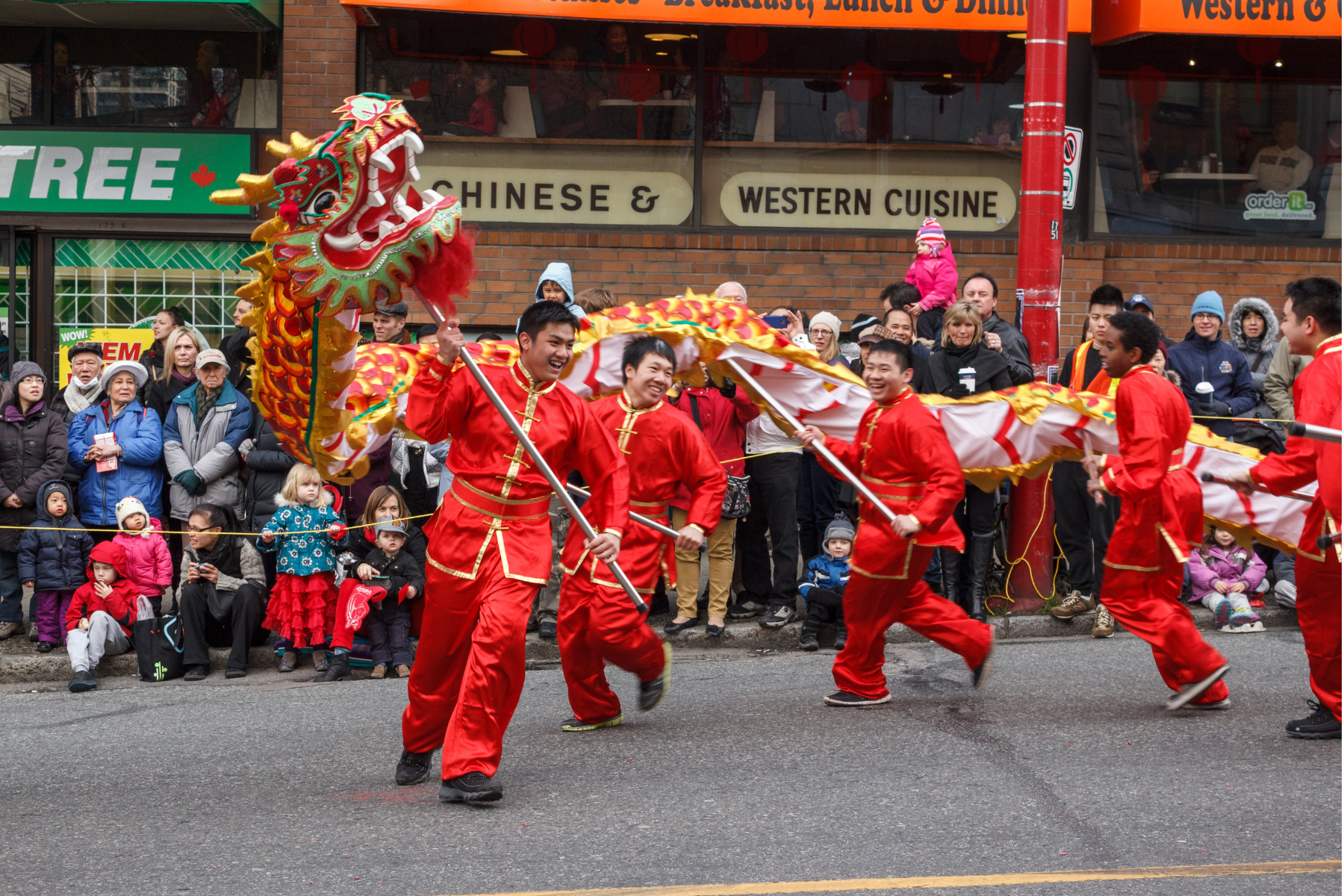
 If you’re new to Canada or settling into a new city, Lunar New Year celebrations offer more than just entertainment. They’re a great way to explore neighbourhoods, connect with local communities, and learn about the diverse cultural traditions that shape life in Canada.