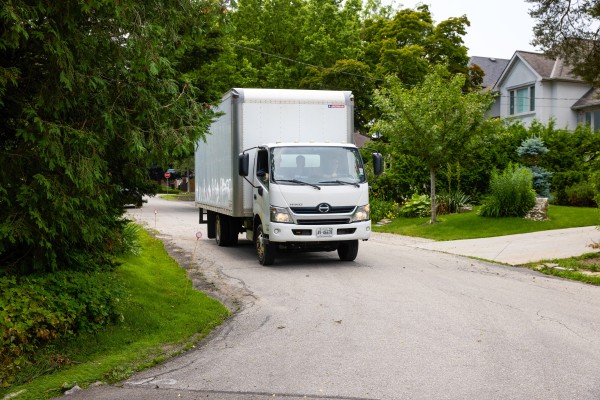
Moving from Ontario to Quebec is more than just crossing a provincial border. It can mean cheaper rent, better access to culture, a new language rhythm, a different tax setup and, depending on where you land, a winter that asks a little more from your coat collection.
Whether you’re moving from Toronto to Montreal, Ottawa to Gatineau, or a smaller Ontario town to Quebec City, the change can be exciting. But it also comes with admin that is very Quebec-specific, from RAMQ and SAAQ to Hydro-Québec, French-language services and different rules around school, healthcare and tax filing.
This guide breaks down what to know before moving from Ontario to Quebec, including the practical tasks, cost differences, tax considerations, and lifestyle changes that can affect your first few months.
Pros and cons of moving from Ontario to Quebec
If you're considering moving between provinces in Canada, like from Ontario to Quebec, there's a lot to mull over. Let’s look at the pros and cons.
The good stuff (pros)
- More bang for your buck in housing: Ever checked out the house prices in Montreal or Quebec City compared to Toronto or Ottawa? In many Quebec markets, they can be a lot friendlier on the wallet!
- Dive deep into French: Living in Quebec? A perfect chance to brush up on your French, given it's predominantly a French-speaking spot.
- Culture galore: Imagine a place that feels a bit European but is still very Canadian. From mouth-watering poutines to exciting festivals, Quebec’s got its vibe.
- Save a bit on insurance: Quebec's auto insurance system is different from Ontario's, and many drivers find premiums lower, though your actual cost depends on your vehicle, location and coverage.
- A fresh take on education: Got kids? Quebec's education system has its unique flair, with public preschool, elementary and secondary schooling generally offered in French unless a child is eligible for English instruction.
The not-so-good stuff (cons)
- Taxes, taxes, taxes: While you might see a deal on the house, remember that Quebec’s provincial tax rates are some of the steepest in the country. So, there's a bit of a trade-off.
- Bundle up for those winters: If you thought Ontario had chilly winters, wait until you experience Quebec. It may be time to upgrade that winter coat.
- A whole new legal ball game: Quebec has civil law, which can feel slightly different if you’re used to Ontario's common law. Suppose legal stuff comes up; just something to keep in mind.
- French everywhere: It's both a pro and a con. While it's great for immersion, if you're not super fluent in French, there might be moments when you feel lost in translation.
- Healthcare with a twist: Canada’s universal healthcare is fantastic, but each province does its own thing. You might notice differences in how things roll in Quebec compared to Ontario.
Remember, higher taxes may offset cheaper living costs. Plus, prepare for longer winters and outstanding French immersion opportunities.
Moving to Quebec: Essential tasks and pro tips
Transitioning to a new province entails more than just an address change; it's about understanding and navigating your home's essential services and systems. Our list includes the vital tasks you must tackle when moving to Quebec and pro tips to save you time, money, and potential headaches.

1. Hiring an interprovincial moving company
- Research established companies: Ask about their experience and years in business.
- Check online reviews: Look for Canadian Association of Movers or BBB accreditations.
- Inquire about damage insurance: Ensure you understand what's covered.
Wise Move makes moving from Ontario to Quebec simple, affordable, and stress-free. Our best movers across Canada can handle your belongings with care, giving you a trusted moving service that fits your route, budget, and schedule.
Wise Move tip: Start the moving process early and book ahead where possible. Off-peak seasons and weekdays can often help you secure a more affordable moving service.
2. Secure home and auto insurance
- Consult current provider: Determine if a transfer to Quebec is possible.
- Seek a Quebec-licensed insurer: Set up coverage and ensure activation before moving in.
Wise Move tip: Bundling home and auto insurance often provides a discount. Consider inquiring about bundle options to save money.
3. Energy provision with Hydro-Québec
- Open an account: Request electricity service online through Hydro-Québec's Customer Space or by phone.
- Prepare required information: Have your full new address, postal code, moving date and contact details ready.
Wise Move tip: Hydro-Québec lets customers save CA$25 by requesting service online instead of by phone. Monitor your first few bills to understand your energy usage patterns in your new home.
4. Internet and TV services
- Verify current provider's availability: Common ones in Quebec are Bell, Vidéotron, and Cogeco.
- Choose a new provider if needed: Inform them about your move date and new address.
Wise Move tip: Consider opting for a package deal or promotion which can provide better value. Also, always ask about installation fees.
5. Health insurance with RAMQ
- Application process: Apply for a health card through the Régie de l’assurance maladie du Québec (RAMQ), usually online once you are in Quebec.
- Document preparation: Collect your birth certificate, Canadian passport or other documents required for your situation.
- Coverage timing: If you move from another Canadian province, Quebec coverage usually begins after a waiting period of up to 3 months.
Wise Move tip: Make photocopies of all your documents before submission and keep them in a safe place.
6. Drug insurance in Quebec
- Check existing coverage: Determine if you have private drug insurance, possibly through an employer.
- Apply with RAMQ if needed: Quebec residents must have prescription drug insurance. If you do not have access to a private plan, register with RAMQ's public plan.
Wise Move tip: If you have regular prescriptions, refill them before the move to ensure no disruption in your medication routine.
7. Driver’s license transfer with SAAQ
- Start the transfer process: Request an appointment with the Société de l'assurance automobile du Québec (SAAQ) to have your driving experience acquired outside Quebec recognized.
- Gather essential documents: Current driver's license, proof of Canadian citizenship, and Quebec residency proof, if applicable.
- Appointment and fee payment: SAAQ will contact you after your request, and you should be ready to bring original documents and pay the required charges.
Wise Move tip: Take a look at Quebec's road rules and regulations. There might be differences compared to your previous province.
Living costs in Ontario vs. Quebec

So what can you expect for costs? Here’s a breakdown by category using current public sources:
- Income tax: Quebec generally has higher provincial income tax rates than Ontario, especially for many lower- and middle-income earners.
- Housing prices/resale values: Housing is often more affordable in many Quebec markets than in major Ontario markets such as Toronto and Ottawa. However, the gap depends heavily on the city, neighbourhood and property type.
- Transportation costs: Whether it's by car or public transit, Ontario can be pricier. For instance, car insurance is often more expensive in Ontario. Regarding public transit, a 2026 monthly adult pass on OC Transpo costs CA$138.50, whereas Quebec's Société de Transport de l’Outaouais regular monthly pass costs CA$116.50.
- Utilities: Quebec residents tend to pay less for utilities, especially electricity, although Hydro-Québec residential electricity rates increased by 3% on April 1, 2026.
- Education: Quebec’s subsidized post-secondary education system can make university tuition cheaper than in Ontario, especially for students who qualify for Quebec resident rates.
- Child care: Childcare is often more affordable in Quebec. For 2026, the reduced contribution rate for subsidized childcare is CA$9.65 per day, although availability and eligibility matter.
- Other factors: There are potential savings in many essential categories when living in Quebec; higher-income individuals may face a significant tax burden in Quebec that could outweigh the financial benefits.
Lastly, it's essential to consider non-financial aspects. Quebec has a distinct culture and predominantly French-speaking population, which can influence one's experience. Both provinces offer vibrant city lives in their respective urban centres and ample opportunities for those who prefer rural settings or outdoor activities. The ultimate decision should weigh tangible costs and intangible quality of life factors.
Understanding taxes when moving from Ontario to Quebec
Relocating between provinces is more than just a physical shift; it also means navigating the complexities of different tax systems. When you move from Ontario to Quebec, there's a lot you should know.

1. Dual tax filing
If you are a resident in Quebec on December 31 of a given tax year, you generally file a federal return and a separate Quebec income tax return. For instance, if you lived in Ontario for part of the year and then relocated to Quebec before year-end, you'll be accountable to the CRA (Canada Revenue Agency) and Revenu Québec. It's not just about "moving taxes" but other considerations like switching utility accounts.
Wise Move tip: Ensure you keep all documentation related to your move. That will help in clarifying your residency status for tax purposes.
2. Financial implications of the move
While cities like Quebec might have a lower cost of living than their Ontario counterparts, such as Toronto, it's essential to consider the overall financial implications. Quebec residents experience some of the highest provincial tax rates in Canada.
3. Tax considerations when moving from Ontario to Quebec
Both provinces have their unique provincial tax brackets that can impact your annual income tax:
Ontario's tax rates:
- Up to CA$53,891: 5.05%
- CA$53,891.01 to CA$107,785: 9.15%
- CA$107,785.01 to CA$150,000: 11.16%
- CA$150,000.01 to CA$220,000: 12.16%
- Over CA$220,000: 13.16%
Quebec's tax rates:
- Up to CA$54,345: 14%
- CA$54,345.01 to CA$108,680: 19%
- CA$108,680.01 to CA$132,245: 24%
- Over CA$132,245: 25.75%
Quebec residents seem to pay a higher percentage of their income in provincial taxes, especially within the lower and middle-income ranges, compared to Ontario.
Additionally, the tax filing process varies. While the Canada Revenue Agency (CRA) handles provincial and federal taxes in all other provinces, including Ontario, Quebec manages its tax collection through Revenu Québec. This distinction means that, as a Quebec resident, you'll need to file separate federal and provincial tax returns each year.
Key takeaway:
When moving from Ontario to Quebec, be prepared for separate federal and Quebec tax filing and potentially higher taxes. While Quebec may offer lower living costs, it also has some of Canada's highest provincial tax rates. Please take into account the long-term financial impact before making your move. Remember, this journey is about embracing the process and enjoying every step. With determination and an open mind, you'll be amazed at how quickly you adapt to your new linguistic surroundings.
Adjusting to the weather differences

- Climate shock: Brace yourself for quite the climate change as you jump from Ontario to Quebec. The weather here is no joke; you're in for a ride.
- Longer, tougher winters: Prepare to hunker down for extended winters. In many parts of Quebec, winter can feel colder and longer than what you've experienced in southern Ontario. Brace yourself for below-freezing temperatures that'll make you appreciate a good cup of hot cocoa.
- Gear up for the cold: Your wardrobe will need a makeover. Think thermal apparel, snow boots, gloves, scarves, and hats – all essential for surviving Quebec's winter wonderland.
- Timing is key: Remember the climate when planning your move. Your move date should sync up with the colder conditions, giving you ample time to acclimate before the chill sets in.
- Home sweet chilly home: Your new abode will feel the effects of this icy weather. Consider extra heating solutions or insulation upgrades, as the folks at Hydro Quebec suggested. Staying cozy during those frigid months while keeping energy costs in check is a win-win.
- Embrace the heat: On the brighter side, summer in Quebec is a different story. Places like Montreal can still get hot and humid, opening up a world of outdoor adventures. Think hiking, canoeing, and exploring spots like Parc National de la Jacques-Cartier or Mont-Tremblant National Park. Time to soak up the sun!
Understanding these climatic differences between provinces ahead of time helps smooth your transition and sets realistic expectations about life post-move – whether it involves bundling up against a frosty Quebec winter morning or soaking up some sun on a warm summer day.
Move from Ontario to Quebec in peace with Wise Move

Moving from Ontario to Quebec can be a brilliant fresh start. You might be heading for Montreal’s neighbourhood energy, Gatineau’s easy link to Ottawa, Quebec City’s old-world charm, or simply a lifestyle that gives you a little more room to breathe.
Just make sure the practical side gets as much attention as the exciting part. Updating your health coverage, driver’s licence, tax details, utilities and insurance early can make the move feel far less overwhelming once the boxes arrive.
When you’re ready to make the move, Wise Move helps you book trusted moving teams for moves across Canada. From full home moves to furniture, vehicles and bulky items, our movers can help make your Ontario-to-Quebec move feel less like a logistical marathon and more like the start of your next chapter.
FAQs
- Is it difficult to move from Ontario to Quebec?
Moving between provinces can be challenging due to logistical considerations, language differences, and tax implications. However, with proper planning and preparation, the process can be manageable.
- What happens when you move from Ontario to Quebec?
You must switch your health card and driver's license to Quebec equivalents. If you bring a vehicle, you may also need to register it in Quebec and arrange Quebec auto insurance. Also, if you are a resident in Quebec on December 31, you generally file a federal return and a separate Quebec income tax return.
- Is it a good idea to move from Quebec to Ontario?
The decision depends on personal factors like job opportunities, cost of living preferences, language skills, and lifestyle choices. Both provinces offer unique advantages.
- Is it better to live in Quebec or Ontario?
This is subjective, as each province has its pros and cons. While Quebec offers lower housing costs but higher taxes, Ontario provides more English-speaking environments at a higher price.












![The cost of living in Quebec City [2025]](https://cdn.wisemove.ca/image/blog/844c494aff67e504755aa1926c2fe686.jpeg "The cost of living in Quebec City [2025]")


![The Cost of Living in Montreal [2025]](https://cdn.wisemove.ca/image/blog/3d9ba911fae51ef6bf042019500f2c4b.jpeg "The Cost of Living in Montreal [2025]")
![How much do you need to earn to live comfortably in Montreal? [2025]](https://cdn.wisemove.ca/image/blog/80e0ee82a5a92d9451b96ff875513ee4.jpeg "How much do you need to earn to live comfortably in Montreal? [2025]")