It may seem like most of a student’s life consists of studying and writing exams. What many new students don’t realize is how much your location has a massive effect on your entire university experience.
The town you live and study in will help to shape your entire student journey. It may be your first “real” move, so you’ll want to compare the student experience in each location before you sign a lease or start packing.
This guide will help you determine where you’ll thrive in all aspects of your life, not just in the classroom. From living costs and housing to commuting and the community around you, each province and town offers students something different.
The top university towns in Canada are:
What is a “university” town really made of?
While there are over 100 universities sprinkled across Canada, only a handful of towns truly capture the spirit of a university town. These places offer a unique student experience that many newcomers are drawn to when moving out of home for the first time.
Here are some of the key qualities that make a top university town in Canada:
-
A large student population and an active student culture.
-
Walkability and reliable public transit.
-
Housing options geared towards students, such as basement suites, shared apartments, and lofts.
-
Strong social life and extracurricular activities.
-
Student-friendly work opportunities, such as part-time work, co-ops, and internships.
-
Overall livability within a student’s budget.
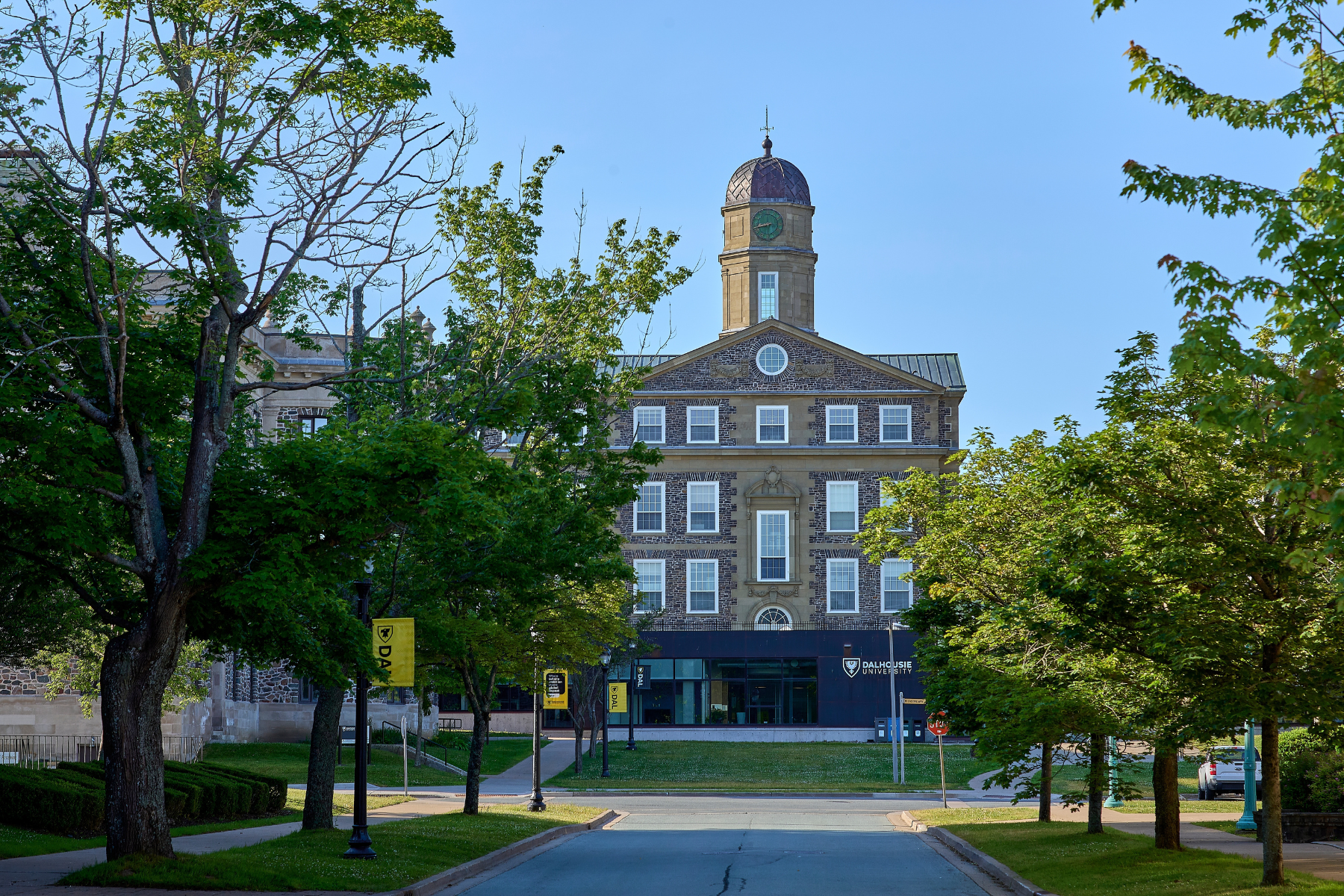
Halifax, Nova Scotia

Why students love it
Halifax offers that classic “university town” feel, with the ease and simplicity of a smaller city and the ocean as a major bonus. There are tons of students, friendly locals, nearby beaches, and new people to meet.
Halifax is perfect for students who shy away from fast-paced urban life and value a tight-knit community.
Student life
Halifax offers no shortage of coffee shops, pubs, live music venues, and beachfront walking or lounging. And let’s not forget the various seafood options (perfect for students to fuel the brain with omega-3!).
There is a strong campus culture at Dalhousie, and the social scene is relaxed and budget-friendly.
Top areas for student accommodation
South End is a sought-after residential area that surrounds Dalhousie University, Saint Mary’s University, and NSCAD and has lots of rental housing.
Many students choose areas along main transit routes, including Spring Garden, South Park, and the North End. Housing in Halifax offers a mix of shared houses, apartments, dorm options, and student-friendly basement suites.
Student transportation
Halifax Transit makes it easy to get around. Students in Halifax generally walk, ride the bus, or bike when the season allows it. Living without a car in Halifax is realistic and easy to fit within the student budget.
Student-budget reality check
Halifax is more affordable than major cities like Toronto and Vancouver. However, rentals can still spike near campus at peak times.
Best fit for
Halifax suits students looking for a close-knit community feeling within their social lives, and an easier, low-pressure transition into living on their own.
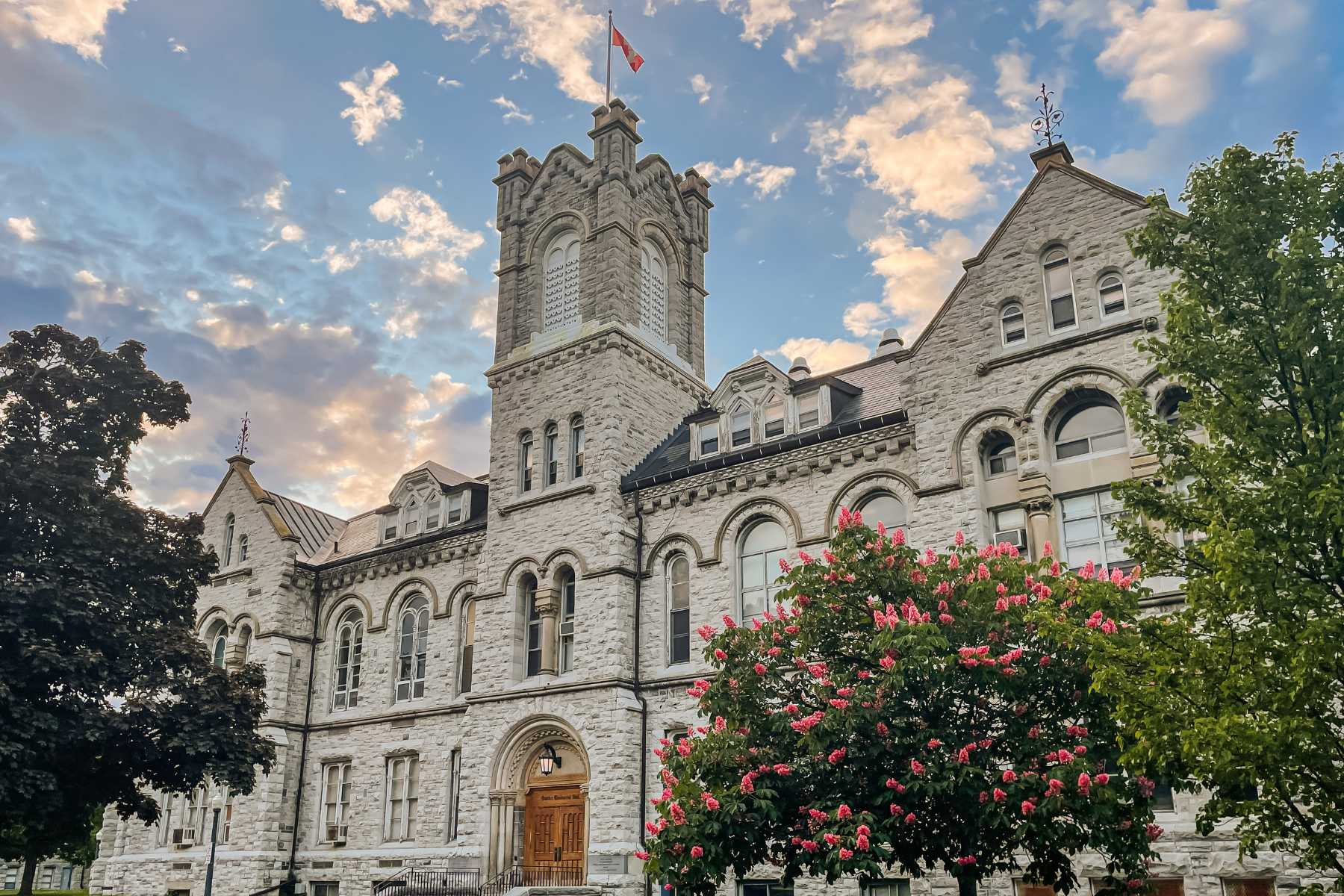
Kingston, Ontario

Why students love it
Kingston is a small city where student life plays a central role in the city’s identity. It's relatively small and focuses on accommodating students from around Canada and the world. This makes it easier for students meet people than in other bigger cities with a divided focus.
Student life
Kingston is rich in history. Students enjoy walking the historic streets and ample waterfront time. Kingston has a small-town energy of “everyone knows everyone”.
Student nightlife is alive and well, with popular spots like Stages and the Ale House and Canteen. Longstanding student traditions include:
-
Homecoming at Queen’s University (famous across Canada)
-
Orientation Week (“Frosh Week”)
-
Huge St. Patrick’s Day street parties
Top areas for student accommodation
The University District around Queen’s University is by far the most student-dense part of the city.
These neighbourhoods surrounding the campus are also great for finding shared rentals:
Kingston offers a good balance of character homes that can be rented to multiple students, and small apartments for students wanting to live on their own.
Student transportation
Kingston Transit is designed around getting students between Queen’s University, downtown, and shopping areas fairly efficiently.
The city is also known for its walkability, and cycling is easy thanks to the city's bike lanes and efficient layout. A lot of students don’t even need to rely on public transport due to the availability of housing near campus.
Student-budget reality check
Kingston is generally more affordable than major Canadian metropolises, though prices can be pushed up the closer you get to campus.
Best fit for
Kingston is great for students seeking a classic university experience without having to navigate a big city.
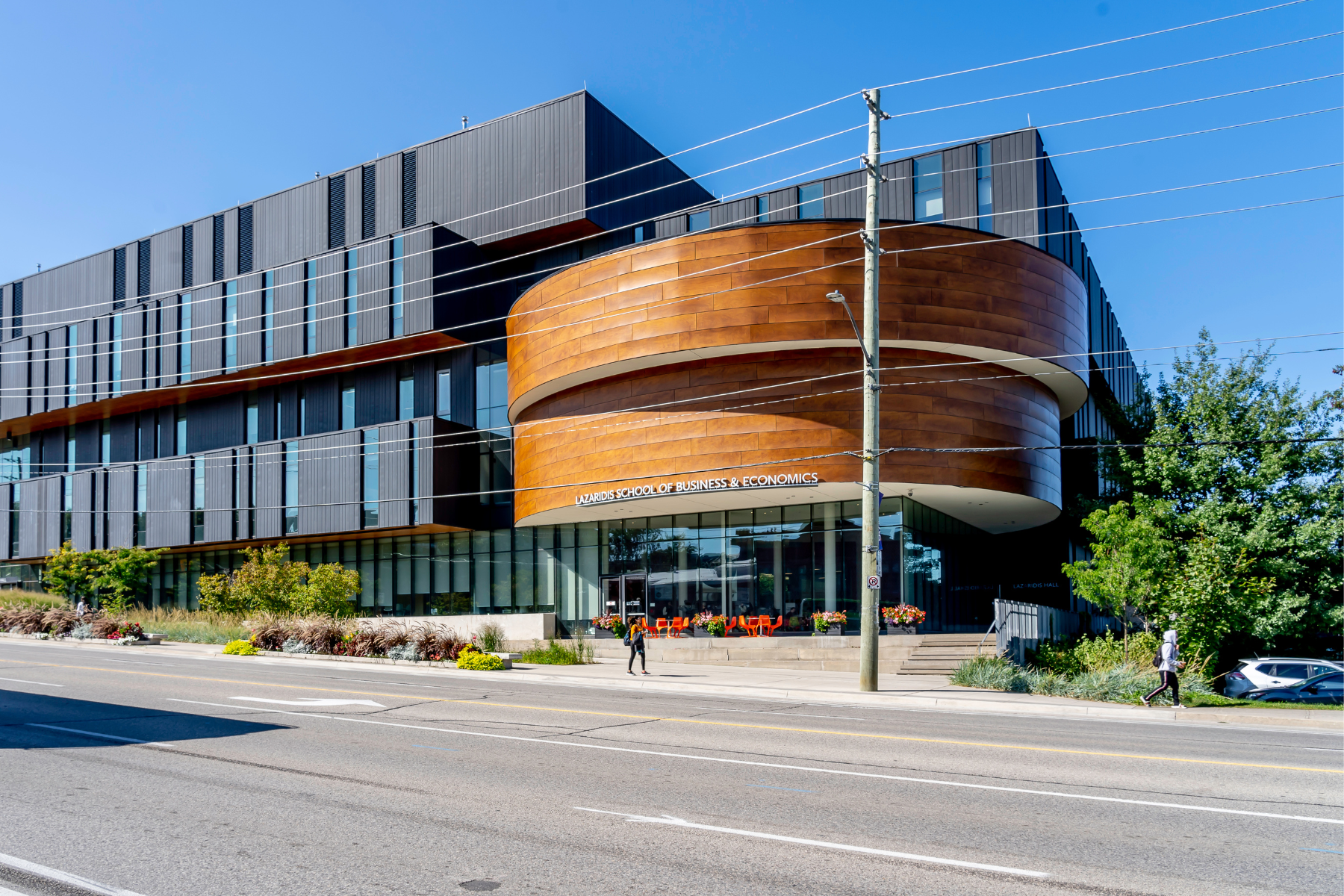
Waterloo, Ontario

Why students love it
Waterloo is heavily populated with students. For students with a strong career focus, there are plenty of co-ops, internships and networking opportunities.
Student life
Waterloo students tend to be focused, disciplined, and hardworking, while still saving weekends for socializing and decompression. The city is full of student-friendly cafés, a strong fitness culture (no pun intended), and various student-oriented services.
For a change in scenery, students love to study at some of these coffee shops:
- Princess Café
- William's Café
- Midnight Run
- Seven Shores
- Rose Café
- Covenant Café
Top areas for student accommodation
Northdale is one of the most student-populated neighbourhoods near the University of Waterloo and Wilfrid Laurier University. Uptown Waterloo, Westmount, and Eastbridge are popular with students for rentals, nightlife, and amenities close to campus.
Many students choose to share larger apartments. Demand is high for housing close to campuses, especially for student co-ops.
Student transportation
Grand River Transit (GRT), with the ION LRT (light rail), links students from Waterloo and Kitchener so they don’t have to rely on a car. Plus, it connects to student-heavy areas near UW and Laurier.
Student-budget reality check
High student demand makes housing competitive year-round.
Best fit for
Waterloo suits students who value structure, discipline, and access to strong career momentum. Students are also prioritized in the rental housing market.
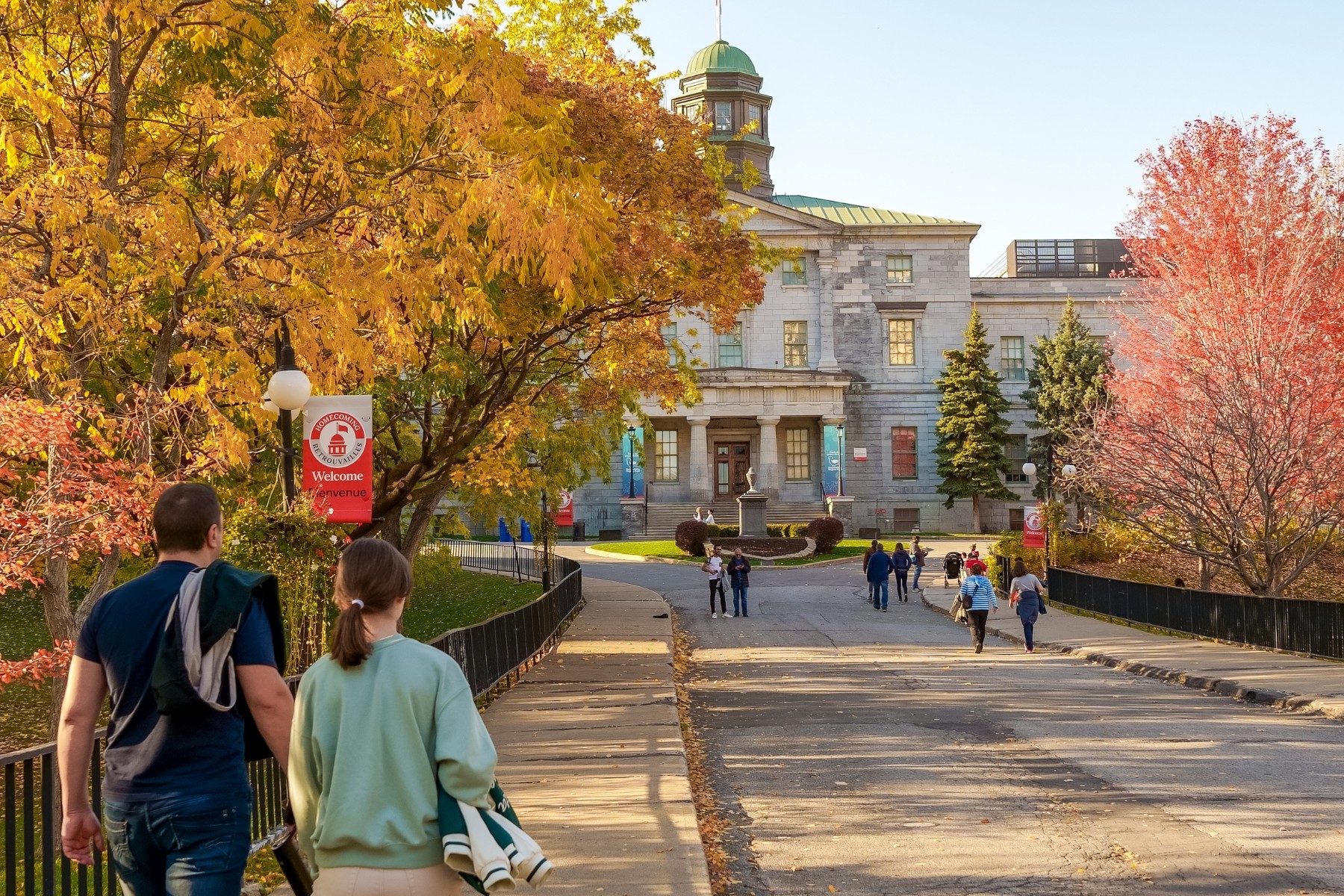
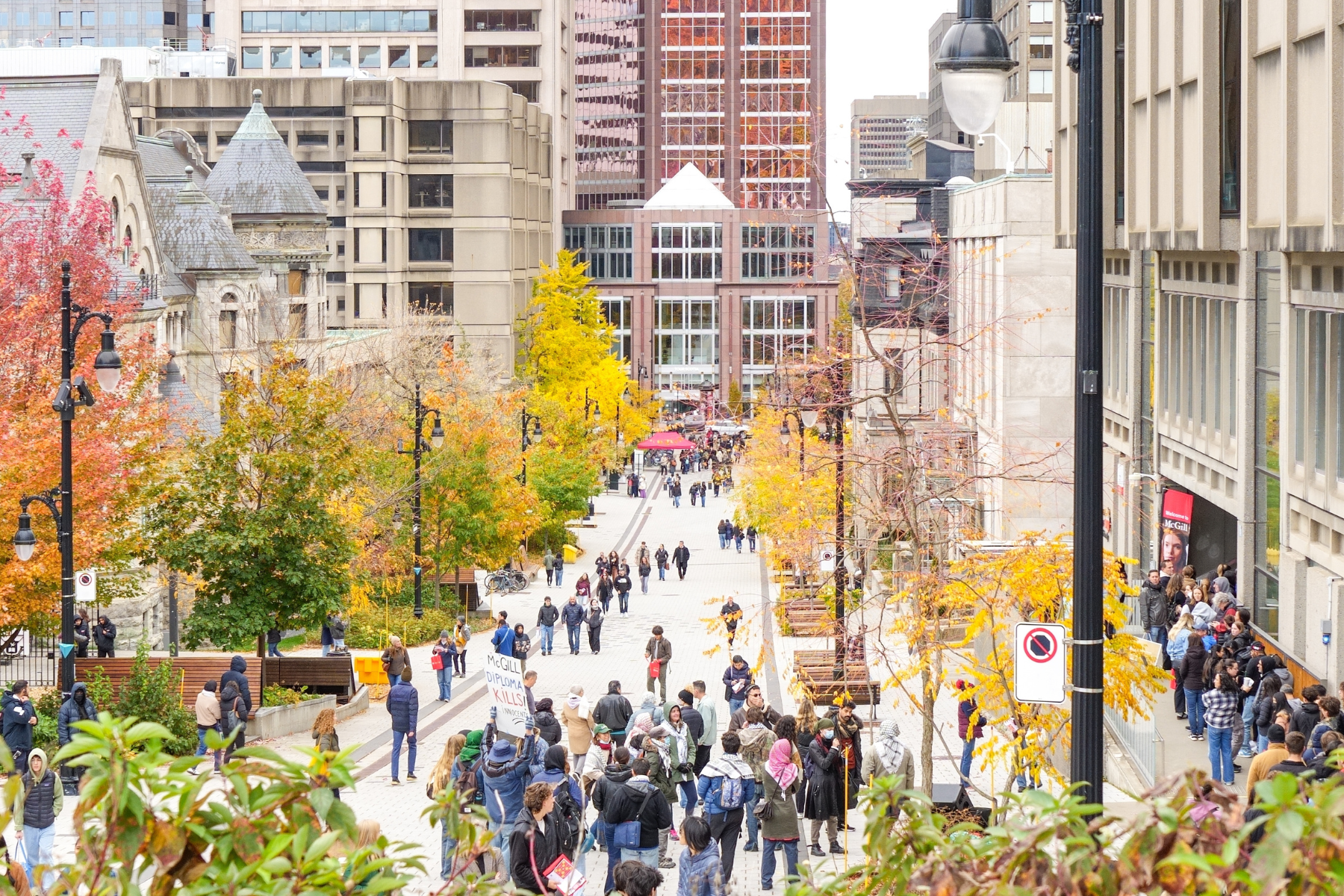
Montréal, Québec

Why students love it
Montréal is a special place for students. A diverse arts scene, cultural experiences, nightlife, and cuisine make it one of the most exciting student cities. Plus, there are plenty of affordable or free activities that allow you to have fun on a student budget.
Student life
Some Montreal highlights that are popular with students include:
-
Casa Del Popolo: Hosts live music and events, including the annual experimental music festival Suoni Per Il Popolo that runs every June.
-
La Banquise: 24-hour poutine spot in Plateau Royale! A great spot for late-night study groups to gather.
-
Cinematique: A film festival that runs every January in the Latin Quarter.
-
The Forum: Iconic former hockey arena turned into a movie theatre, bar, arcade, and bowling alley.
Montreal’s numerous free street festivals are a huge part of Montreal’s culture and what makes the city so fun and unique.
Top areas for student accommodation
Every area feels like a small town within a big city, and each neighbourhood has its very own personality. Here’s a look at some popular student areas:
-
Milton Park and McGill Ghetto are right beside McGill University, with a high student population.
-
Côte-des-Neiges is a diverse area with lots of students from Université de Montréal.
-
Plateau-Mont-Royal and Mile End are trendy, artistic areas with students from several universities.
Housing options range from older walk-ups to modern student buildings.
Student transportation
The STM (Societé de Transport de Montréal), is a fast, extensive network featuring a four-line, 68-station underground Metro and 180+ bus routes.
With the recently finished automated REM light rail system and EXO commuter trains, students find it incredibly easy to live car-free.
Student-budget reality check
Montréal is the most affordable metropolis in Canada, making it a great option for students. Though winters are beyond cold, so heat bills and winter gear are important costs to consider.
Best fit for
Students who want city life, a diverse cultural experience, and a social scene that goes beyond campus.
Cultural note: Even if you study in English, be prepared for a daily life of speaking and listening to French. For those wanting to immerse themselves in a bilingual experience, it's perfect!
Ottawa, Ontario

Why students love it
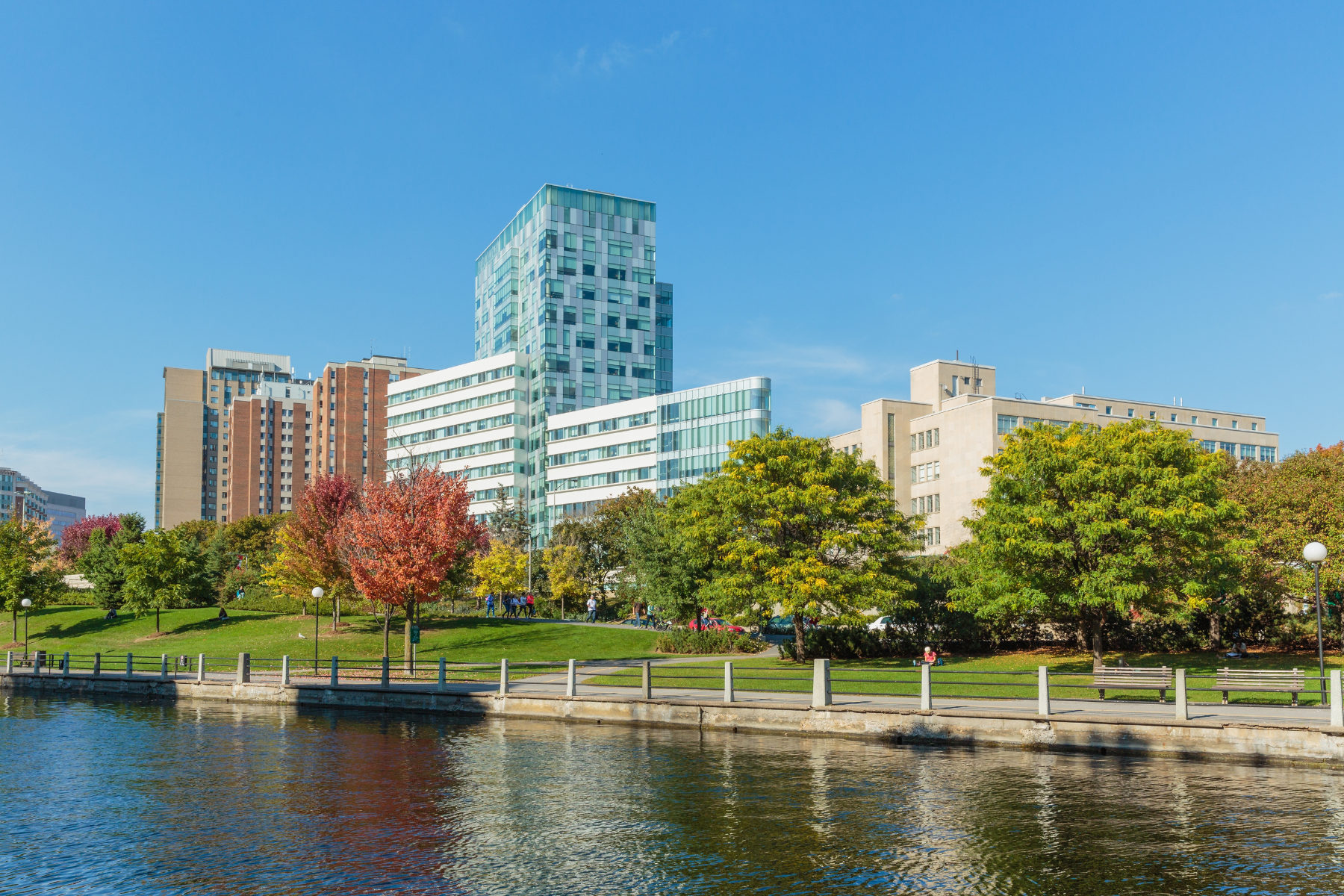
Ottawa feels calm for a big city, with a strong student presence, especially those working towards government careers. Ottawa provides a great mix of academics, government, and NGO opportunities, with abundant green spaces and a high quality of life.
Student life
Students balance studying, working and fun time. Ottawa is known for its museums, outdoor skating in winter, and riverside walking paths.
Some student hotspots include:
-
Happy Goat: Known for its cozy interior and quality coffee.
-
The Art House Cafe: On Somerset St, loved for its artistic vibe and comfortable seats.
Top areas for student accommodation
Student housing is typically concentrated in the following areas:
-
Sandy Hill: A classic student area right beside the University of Ottawa campus.
-
Centretown and Centretown West: Popular with both the University of Ottawa and Carleton University students
-
Westboro and Hintonburg: Trendy areas that are also home to some student rentals, especially for Carleton students.
The most popular student areas are those closest to campus or along major transit lines. Shared rentals and apartment buildings geared towards students are the most common.
Student transportation
Ottawa’s O-Train (light rail + Trillium Line) makes it a strong commuter city. It’s especially useful for getting between downtown, UOttawa, and some major employment areas without driving.
Commuting in Ottawa is fairly easy due to its great public transit, walkability in central neighbourhoods, and cycling in warmer months.
Student-budget reality check
While Ottawa is more affordable than Toronto or Vancouver, it’s not necessarily cheap due to extra winter costs, such as boots, coats, heat bills, and winter tires.
Best fit for
Ottawa is great for students who want a stable, safe city with good career pathways that’s quieter than other major cities.
Victoria, British Columbia

Why students love it
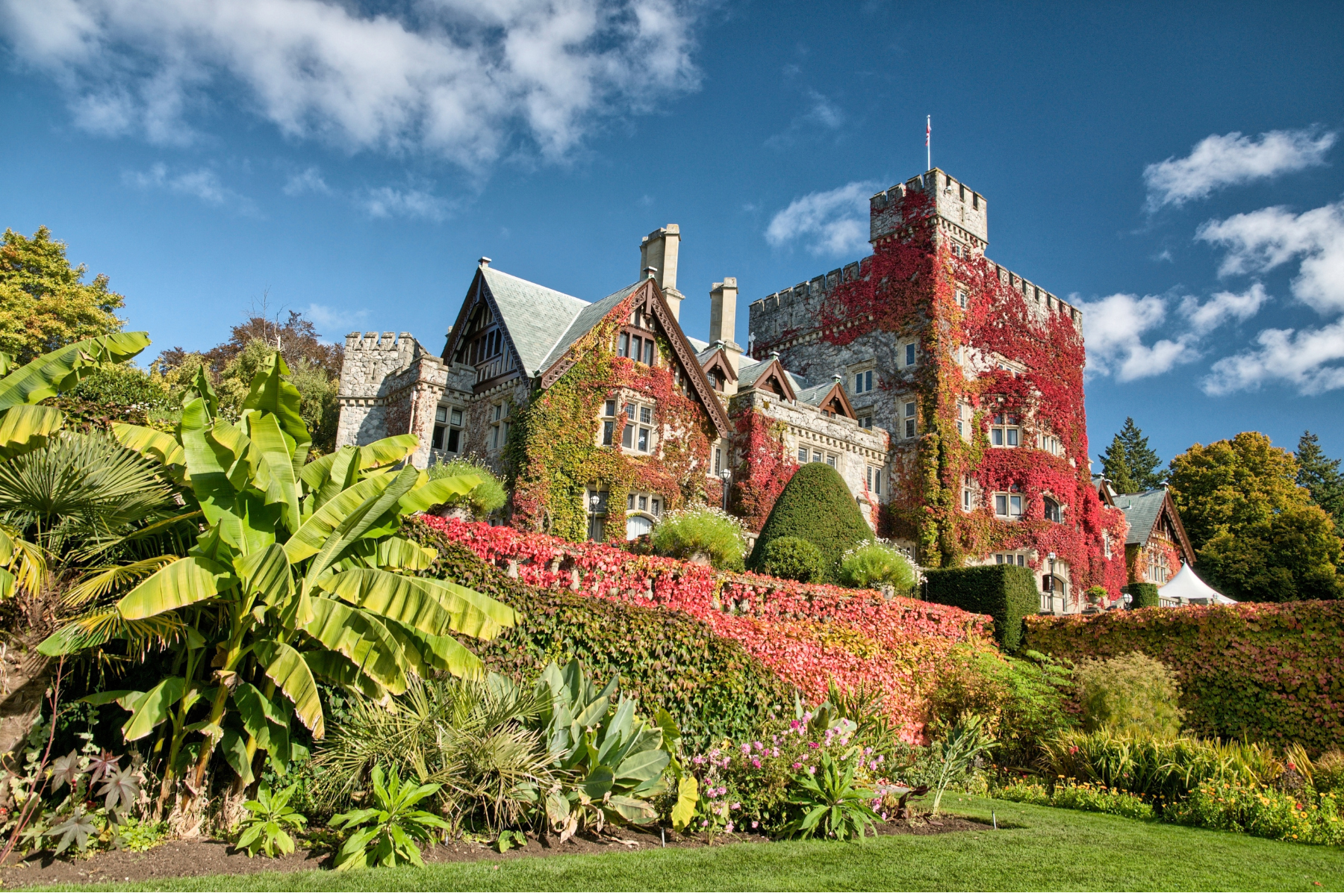
Calling all nature lovers – Victoria is perfect for you. The scenery is stunning, with forests, Mount Douglas, beaches, oak groves, and campus meadows.
Many of the parks are wild, and UVic even has a rabbit infestation. You’ll definitely see deer wandering unafraid in certain residential neighbourhoods, such as Oak Bay.
There’s also a focus on wellness. For students who want a calmer daily rhythm and easy access to nature and healthy living, Victoria should be a top choice.
Student life
This is where you’ll find students congregating in Victoria:
-
Coffee: Fantastico, The Spiral Cafe
-
Used bookstores: Russell Books
-
Farmer’s Markets: Moss Street Market
-
Beaches: Gonzales Beach, Willows Beach, Mile-0 along Dallas Rd.
-
Hikes: Mount Douglas and East Sooke Park
-
Nightlife: Club 9one9, Lucky Bar
Top areas for student accommodation
Oak Bay, Cadboro Bay, Hillside, and Gordon Head surround UVic and Camosun College and have the highest student density.
Victoria students often share big houses or rent basement suites, but demand for rentals is high.
Student transportation
Victoria has a decent bus network (BC Transit) and is one of the most bike-friendly cities in Canada. In fact, Victoria is small enough that you can pretty much bike anywhere comfortably, and year-round with proper raingear.
Because Victoria doesn’t freeze in the winter, it’s easy to avoid owning a car.
Student-budget reality check
Because Victoria is one of the most popular cities in Canada, rentals are expensive. However, the extra cost is worth it for students who value a balanced lifestyle.
Best fit for
Victoria is perfect for students who want a smaller, manageable city, mild temperate weather, and a student life surrounded by natural beauty.
Calgary, Alberta

Why students love it
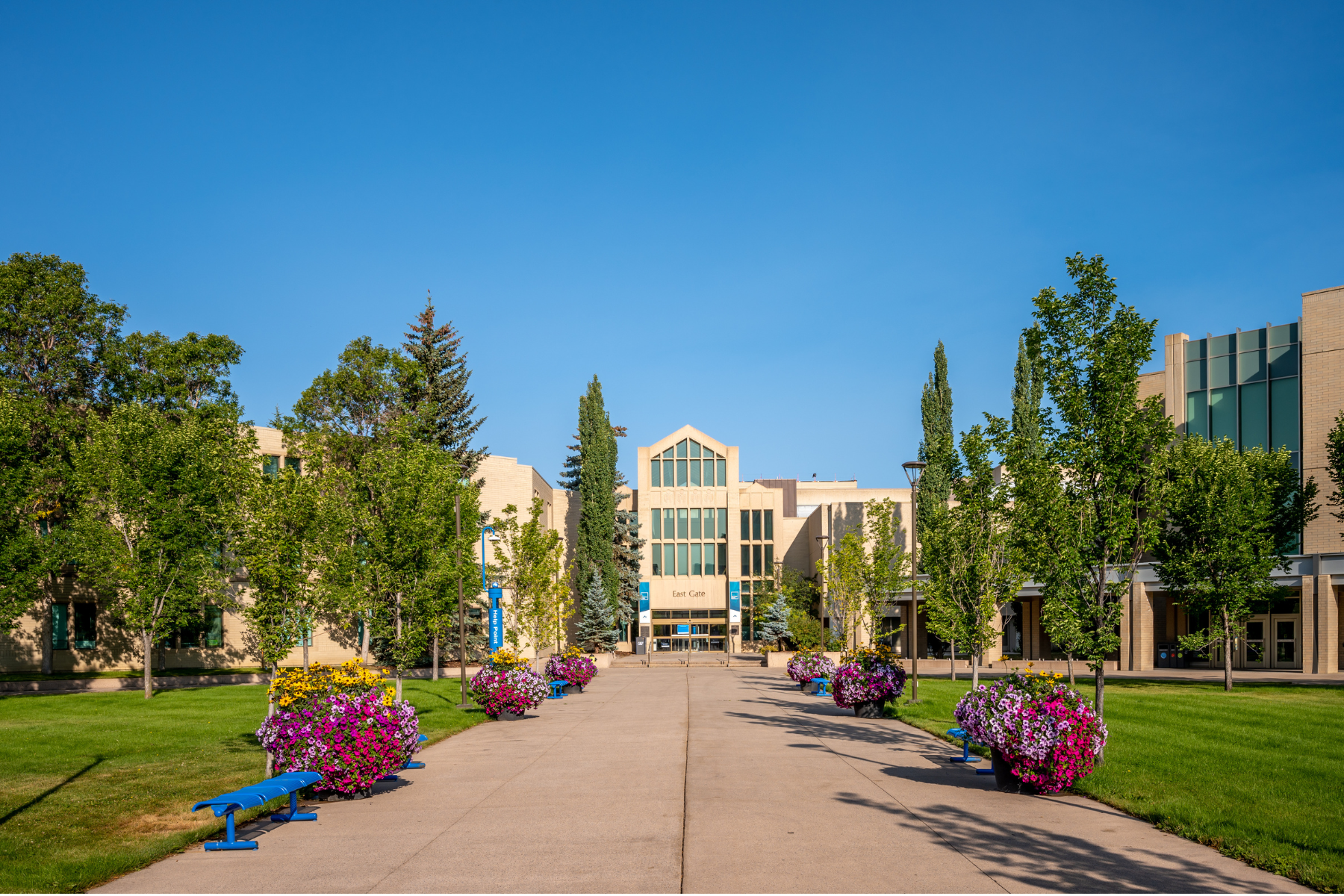
Calgary is where you’ll have all the big-city opportunities and still have access to nature and camping on the weekends. It’s spacious and relatively affordable compared to other major cities.
Student life
Students balance daily campus life with urban nightlife and weekend trips to the Rockies. Athletes appreciate a strong sports culture, and Calgary hosts many large events throughout the entire year, like the famous “Stampede”.
Top areas for student accommodation
You can find students living across northwest Calgary, where they can easily access the university. Brentwood and Banff Hill are neighbourhoods that combine good transit access with affordable rentals.
Most students share apartments or houses to keep costs down while they’re in school.
Student transportation
Public transit works well for student life, especially for those living near major lines. Some students choose to have a car, especially for getting out of the city on weekends and holidays.
Student-budget reality check
Alberta, in general, is more affordable than other provinces, especially due to the lack of provincial sales tax (PST). This makes Calgary more affordable than Toronto or Vancouver, but not necessarily “cheap” like Halifax or Edmonton.
Remember that the deep, cold prairie winter does add extra costs like boots, oats, tires, and higher heat bills.
Best fit for
Calgary is a good option for students who enjoy city modernities and ample career opportunities, in combination with quick access to the mountains and skiing.
Student-City Honourable Mentions
- Edmonton, Alberta: Home to the University of Alberta, it has a strong student culture. It’s a big city yet still offers affordable housing. Its vast green spaces and the River Valley park system boost the quality of life in Edmonton.
- Québec City, Québec: Québec City’s smaller size attracts students who shy away from fast-paced living. It's perfect for bilingual and French students looking to improve their language skills. Québec City is often touted as Canada’s most beautiful city, rich with history and easy to walk around.
Make a wise student move
 Before choosing or moving to a city for school, it's important to be realistic about what will work for you and what won’t. Canada has incredible student towns, and the best one for you really depends on your budget and lifestyle preferences.
Once you’ve done that, you can then get moving! And there’s no better way for a student to organize a student move than with the help of Wise Move. As your go-to moving service provider, Wise Move makes it easy to book student-friendly moving services that won’t break the bank. Wherever you land, student life is what you make of it. The right city will make you feel at home.




 Before choosing or moving to a city for school, it's important to be realistic about what will work for you and what won’t. Canada has incredible student towns, and the best one for you really depends on your budget and lifestyle preferences.





![The Cost of Living in Calgary [2025]](https://cdn.wisemove.ca/image/blog/44a5bcb6ebf6c658f5c5fe30ab7077c9.jpeg "The Cost of Living in Calgary [2025]")
![The Cost of Living in Toronto [2025]](https://cdn.wisemove.ca/image/blog/ded0549bf885e2463f6b3516d9f8f021.jpeg "The Cost of Living in Toronto [2025]")
![The Cost of Living in Montreal [2025]](https://cdn.wisemove.ca/image/blog/3d9ba911fae51ef6bf042019500f2c4b.jpeg "The Cost of Living in Montreal [2025]")

![The Cost of Living in Victoria [2025]](https://cdn.wisemove.ca/image/blog/012c60baf3a9dd52b2112857fe508e4c.jpeg "The Cost of Living in Victoria [2025]")
![The cost of living in Ottawa [2025]](https://cdn.wisemove.ca/image/blog/05c56698337852b128efa8b1144e6466.jpeg "The cost of living in Ottawa [2025]")
![The Cost of Living in Winnipeg [2025]](https://cdn.wisemove.ca/image/blog/8874f5688baa4a1291d7eae6c507f8aa.jpeg "The Cost of Living in Winnipeg [2025]")
![The Cost of Living in Edmonton [2025]](https://cdn.wisemove.ca/image/blog/85d8f0085c5276a3f3add5828109b82a.jpeg "The Cost of Living in Edmonton [2025]")
![The cost of living in Quebec City [2025]](https://cdn.wisemove.ca/image/blog/844c494aff67e504755aa1926c2fe686.jpeg "The cost of living in Quebec City [2025]")