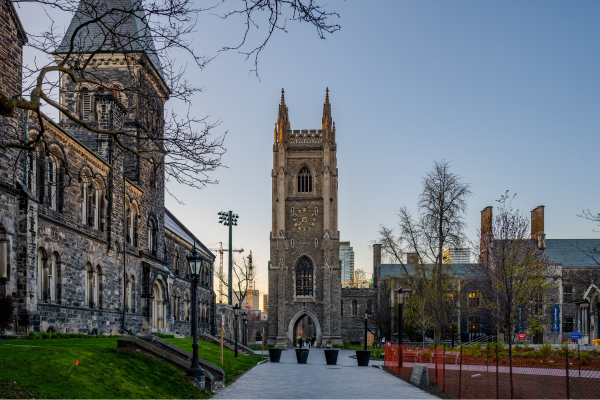
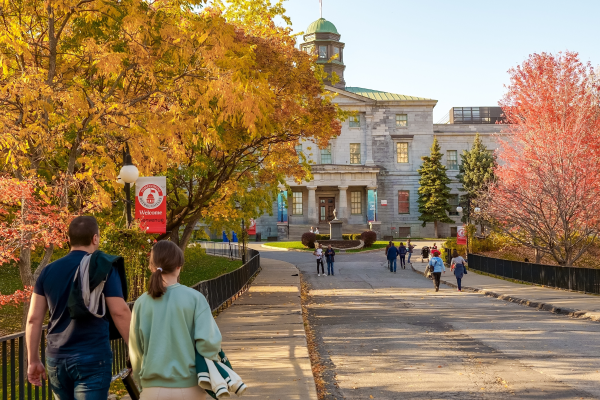
Student life is anything but simple. On top of exams, deadlines, applications, and acceptance letters, many students have to deal with moving for the first time, some even to a different city in Canada. This can feel impossible to navigate if you don’t know the different student accommodation options (the hunt is competitive in popular university cities), what to pack, and where to book student movers.
But don’t worry. We’ve created this guide as a roadmap to walk you through the moving process as a student, without getting overwhelmed. By thinking ahead and preparing, your move can go smoothly and hassle-free, so that you can put your energy towards what matters most: your studies.
Choosing the right type of housing for you
 Spend some time considering what is most important to you while you navigate school and living away from home. Ask yourself:
-
Do you want to be close to your school?
-
Are there any amenities you’ll need at your accommodation or nearby? For example, would you like to be close to a park for decompression walks in between studying?
-
Does your budget allow you to live alone, or would you consider roommates or homestays?
There are a few different student accommodation options out there. You’ll just need to figure out which one suits your budget and unique needs. Here’s a breakdown of the various types of student accommodation in Canada.
On-campus residence
On-campus residences are facilitated by the university or college and typically have a dorm-style layout.
This convenient option is great for younger students who are just leaving their parents' house. These rooms often come furnished and equipped with a kitchenette. Take note that they can be limited in availability, so make sure you apply early.
Off-campus housing
To keep expenses down, you can share a house with other students. This is a great option if you want to live with friends, making lifelong memories while splitting rent and expenses.
If you would prefer some privacy, another option is renting your own studio or basement suite. Mature students appreciate the combination of private, quiet living and affordable rent compared to renting a whole house.
Where to find off-campus housing
Whether you are a group of students looking to rent a home, or on your own looking for an apartment or suite, here is a list of places to begin your search:
- Facebook Marketplace
- Kijiji
- Craigslist
- Rentals.ca
- Zumper
- PadMapper
- RentCafe
- Realtor.ca (rentals section)
- Liv.rent
- HouseSigma (rentals in some cities)
- University/college off-campus housing boards
- Local Facebook groups (student housing, city-specific groups)
Homestays
Sometimes, residents will open up their homes to students, especially to those who are part of a foreign exchange housing program. The best parts about this option are the personalized support, cultural immersion, and the homely atmosphere.
Where to find homestays
- Canada Homestay Network (CHN)
- MLI Homestay
- Homestay.com
- School-board homestay programs (varies by city)
- University/college international student services pages
- Regional homestay agencies (city-specific)
Read our full guide to student accommodation in Toronto here.
Lease timing
Students who decide to rent off-campus will need housing that lines up with the start of the September or the January semesters. Plan to line up a place and move in by August 1st, September 1st, or January 1st, respectively.
Remember that the student housing market is highly competitive around August and December in bigger university cities such as Victoria, Vancouver, Ottawa, Toronto and Montreal. It’s best to try and line up a rental a couple of months in advance. If you see a place that meets your needs and lands within your budget, jump on it. If you wait too long to decide, you can be sure someone else will scoop it up quickly.
What’s included in your rental?
Before deciding on a place, first read through the rental agreement and figure out what’s included. This will help you compare different options based on how much they cost and what they offer.
For example, some students may find that paying a bit extra for a furnished place or having all bills included simplifies moving and is worth the extra money.
Rental considerations to think about
- Furnished vs. unfurnished
- Utilities (power, water, heat, etc.)
- Wi-Fi
- Laundry facilities
- Appliances (in Canada, it is standard that a rental comes with at least a stove and a refrigerator)
- Stairs or elevator?
- Old or newer building? (This will affect things like heating costs, soundproofing, etc.)
Figuring out your rights as a renter can be tricky, especially if it’s your first time signing a lease.
To help you navigate it, here’s our guide to Understanding and Navigating Your Tenancy Rights in Canada
Planning your move as a student
Once you’ve found the perfect student accommodation rental, it’s time to start thinking about moving.
Decluttering before moving day
 The less you have to move, the better. Plus, it means less unpacking and cleaning once you get there. That’s why it’s best to take this opportunity to do some spring cleaning and get rid of anything you don’t need.
Sort your things into four piles
Use campus buy-and-sell groups, online marketplaces, and donation centres to move your stuff along.
Places to list items for sale
- Facebook Marketplace
- Kijiji
- Craigslist
- VarageSale
- Poshmark (clothing)
- Depop (clothing)
- eBay
- Campus buy-and-sell groups
- Campus bulletins
Places to donate items
- Salvation Army
- Value Village
- Goodwill
- Habitat for Humanity ReStore
- Local thrift stores
- Community donation centres
- University or college donation drives
Packing for your student move: What to bring or buy?

With the limited space you have to move your whole life into student accommodation, the big question becomes: What do you pack and what do you buy when you get there?
If you’re moving long-distance, it’s best to pack only what you need and then find everything else second-hand once you’ve arrived.
What to pack
- Documents
- Tech devices
- Study items
- Clothing for every season (this will vary depending on where you are moving)
- Health essentials
If you’re driving, you have a bit more space to work with. So you can consider taking some extras, such as your favourite art, unique or hard-to-find household items, or anything sentimental that will help you feel more at home while you are studying.
What to buy locally and second-hand (if possible)
- Kitchenware
- Bedding and towels
- fans and heaters
- Furniture
- Plants
Buying secondhand isn’t just a money saver; it's a statement. When you opt for used goods over new ones, you keep items from ending up in the landfill. Secondhand shopping can be a lot of fun, like modern-day treasure hunting. The coolest part is that you can deck your place out with unique finds and customize your decor style!
Where to buy second-hand furniture in Canada
-
Where to buy second-hand furniture in Toronto
-
Where to buy second-hand furniture in Vancouver
-
Where to buy second-hand furniture in Calgary
-
Where to buy second-hand furniture in Victoria
Once you’ve figured out the scope of your move, it’s time to make the move happen! But in all the moving chaos, it can be easy to forget the important stuff, especially if this is your first move.
To make sure you don’t miss a thing, here’s our super handy, complete student packing and moving checklist.
Booking student moving services
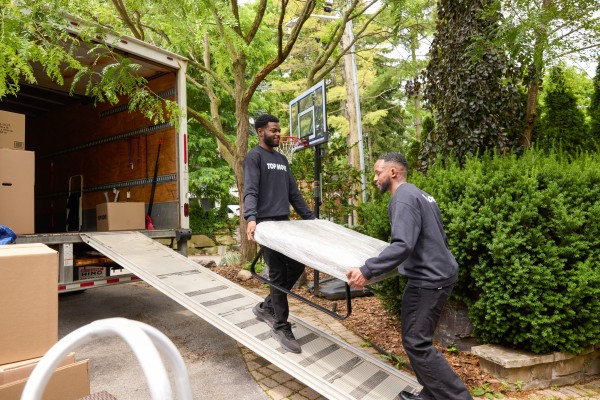
 Sometimes, as a student, you just need some extra support. Maybe you have exams coming up, or your parents are far away and can’t help in person. Whatever the reasons are, getting moving support can be a lifesaver. Moving is crazy enough, and now you have to do it while trying to get a degree!
Professional moving teams will help navigate stairs, elevators, older buildings, and small spaces like dorms and studios. Plus, some moving companies even offer packing services, taking away that extra stress.
Booking movers before September’s orientation week will usually get you better prices and more options. The student housing rush causes prices to climb, and availability becomes scarce, so planning to move a few weeks early is your best bet to avoid stress.
FAQs about student moving
When do most students move in?
Students generally move at the end of August, before the first semester starts. Others move in at the end of December or the beginning of January, before the second semester.
How early should movers be booked?
Movers should be booked as early as possible, as soon as your student accommodation is confirmed and you’ve chosen your moving date.
What are ways to save money while moving to another province as a student?
Save money by booking your move early, choosing a small-move or shared-load option, and decluttering so you’re only transporting what you truly need.
Making your big move feel manageable
 Moving for school is a big transition, and it's important to take it one step at a time. Being a student is hard enough, and adding a big move can feel overwhelming. Wise Move is your go-to moving service provider to take some of the work off your shoulders. You can easily book the best student-friendly moving teams that fit your needs, budget, and timeline.





 Spend some time considering what is most important to you while you navigate school and living away from home. Ask yourself:
 The less you have to move, the better. Plus, it means less unpacking and cleaning once you get there. That’s why it’s best to take this opportunity to do some spring cleaning and get rid of anything you don’t need.
 Sometimes, as a student, you just need some extra support. Maybe you have exams coming up, or your parents are far away and can’t help in person. Whatever the reasons are, getting moving support can be a lifesaver. Moving is crazy enough, and now you have to do it while trying to get a degree!
 Moving for school is a big transition, and it's important to take it one step at a time. Being a student is hard enough, and adding a big move can feel overwhelming.