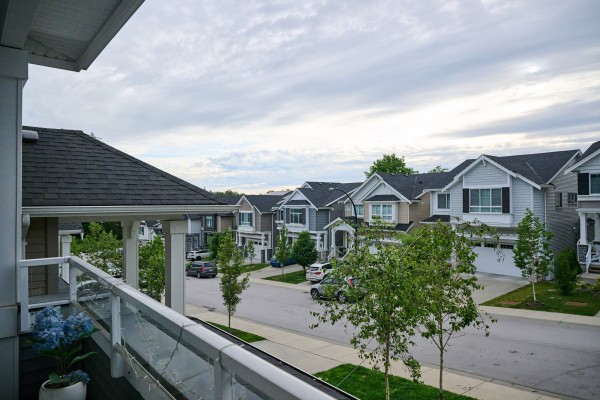
Perched on the Atlantic, the small city of Halifax is known for its coastal beauty and friendly people. Community is the cornerstone of life in Halifax, whether it's going out to eat some delicious seafood at your local restaurant, socialising with neighbours at the nearby park, or attending one of the town's iconic annual events.
For people moving to Canada or considering the East Coast, Halifax offers a slower, more balanced pace of life. Commutes are shorter, nature is all around you, and newcomers find it easier to settle in than in hectic larger cities. Halifax is perfect for those seeking a work-life balance close to nature.
But before you make the move to Halifax, it’s worth knowing how much it will cost to live there. This guide will break down the cost of living in Halifax, from rent and property prices to eating out and events.
Job market appeal in Halifax
For professionals considering Halifax, the job market just keeps on growing. Industries that offer blooming employment opportunities include:
Salaries are a bit lower than in other cities, but this is balanced by a lower cost of living. Halifax is an attractive place for newcomers looking to grow their careers without the intense competition of bigger markets.
The Acadian and Francophone presence in Nova Scotia means that bilingual professionals often have a leg up in fields like government, education, healthcare, and customer service.
What’s different about living in Halifax?
 Compared to Canada’s big cities, the pace of life in Halifax is noticeably slower. Locals tend to value community connection, outdoor time, and creating a low-stress lifestyle instead of hustling.
Like other coastal cities and towns, the ocean is the main character. Daily life is centred around maritime weather, seafood, and fun times close to or on the water. The city is smaller and more personal, which many newcomers find refreshing after living in larger urban centres.
Winters are milder than much of Canada but can feel long, damp, and windy, similar to BC’s west coast.
Cost of property in Halifax
What it’s like to rent in Halifax
Halifax rental rates are refreshing compared to big Canadian cities.
Summer is the time when renting in Halifax can feel competitive, as students roll in looking for housing. Vacancy rates can be tight, so start your search early and be flexible on location and unit size.
Sharing a home with roommates can be a great way to save money. Popular online platforms for finding or listing room rentals include:
-
Craigslist
-
Kijiji
-
Facebook Marketplace
-
Roomies.ca
-
Rentals.ca
-
Zillow
-
Roomster
-
Zumper
Buying property in Halifax
The average price for a home in Halifax is around CA$590,000, less than half the average home prices in Toronto or Vancouver.
Consider these areas of Halifax for more affordable options:
-
Fairview
-
Spryfield
-
Clayton Park
-
Clayton Park West
-
Dartmouth (outer areas)
-
East Dartmouth
-
East Preston
-
Cole Harbour
Dartmouth and East Preston offer the most affordable properties, averaging at CA$425,000.
Halifax’s neighbourhoods of interest
Halifax is one single municipality, the Halifax Regional Municipality (HRM), which hosts around 200-250 neighbourhoods and communities.
Here’s a deeper dive into some of the most sought-after neighbourhoods in Halifax.
South End
 People flock to the polished, walkable South End because of its leafy green streets, character homes, and the fact that it's so close to universities, hospitals, and the waterfront.
-
Avg rent: CA$2,000–CA$2,300 per month
-
Avg home price: CA$750,000–CA$900,000+
Hydrostone
Hydrostone feels like a village inside a city, with a dash of European charm, think local boutiques and cafes. The Hydrostone community is strong and tight-knit, and the area is appreciated for its walkability.
-
Avg rent: CA$1,800–CA$2,100 per month
-
Avg home price: CA$650,000–CA$800,000
North End
The North End has a bustling culture and creativity amidst its independent businesses, breweries, and strong arts scene. For those looking for stimulation and diversity, this area close to downtown has it all.
-
Avg rent: CA$1,700–CA$2,000 per month
-
Avg home price: CA$600,000–CA$750,000
Downtown Halifax
Living downtown always suits those who don’t want to be overly reliant on a vehicle, or who want to live car-free. Downtown Halifax is best for those who want to maintain an urban lifestyle and access all of its conveniences, while still enjoying the waterfront.
-
Avg rent: CA$2,100–CA$2,400 per month
-
Avg home price: CA$700,000–CA$900,000+
West End
The West End is close enough to downtown but still feels quiet and residential. Its good schools, plentiful parks, and a mix of housing types make it perfect for students, families, and retirees. The West End is often chosen by those who want to put down long-term roots.
-
Avg rent: CA$1,700–CA$2,000 per month
-
Avg home price: CA$600,000–CA$750,000
Bedford
 This popular suburb has waterfront trails, newer homes, good schools, and easy highway access.
-
Avg rent: CA$1,800–CA$2,100 per month
-
Avg home price: CA$650,000–CA$800,000+
Downtown Dartmouth
With direct ferry access to Halifax, Dartmouth also offers a strong local food scene, walkability, and community closeness. It’s a bit more relaxed than downtown Halifax.
-
Avg rent: CA$1,600–CA$1,900 per month
-
Avg home price: CA$550,000–CA$700,000
Purcell’s Cove
Nature enthusiasts love it here because of ocean views, trails, and a quieter lifestyle than the urban core.
-
Avg rent: CA$1,700–CA$2,000 per month
-
Avg home price: CA$600,000–CA$750,000
Commuting in Halifax
 How you get around Halifax will depend on your lifestyle and budget.
Public transit
Provided by Halifax Transit, buses connect downtown to suburbs and surrounding communities. Routes run often, though during peak hours, and fares are affordable. Service can be slower in the outer edges of the city. Many locals use transit for daily commuting, especially students and people who work downtown.
-
One-ride ticket: CA$3.00 for adults, CA$2.25 for youth (13–17), free for children under 12
-
Day and multi-day pass: CA$7.50 for a 1-day pass
-
Monthly pass: CA$90 for adults, CA$66 for youth
Cycling
Cycling is getting more popular thanks to bike lanes and trails, especially around the waterfront and inner-city neighbourhoods. The city’s hills keep cyclists strong, and using a bike is cost-effective, with the only added expense being occasional repairs.
Driving
Your own transport is more necessary for people living in the suburbs or areas with less public transit. Halifax isn’t very big, so you’ll spend less money on fuel for commuting. Factor in parking as well, either at metered street spots or paid lots.
Ride services
Ride services, like Evo, Zipcar, and traditional taxis, are also available and useful for occasional trips or for residents without a vehicle. These options pair well with transit and cycling for a multimodal commute.
Parking in Halifax
Street parking
Like most other cities, Halifax uses a pay-by-plate, pay-by-zone system for most on-street parking in the downtown core and surrounding central neighbourhoods.
You enter your license plate number and zone at a nearby pay station or through a mobile app. Payment is tied to your vehicle, not the individual parking space.
Hourly rates vary by zone and time of day. In busy downtown areas, you might pay CA$2–CA$4 per hour during peak times.
Paid street parking normally runs Monday to Friday, 8 a.m.–6 p.m. In many areas, parking is free in the evenings, on weekends, and on public holidays, though posted signage always takes priority.
Parking lots and garages
 Halifax has a mix of public and private parking lots and parkades, especially downtown and along the waterfront.
-
Waterfront and downtown surface lots charge around CA$3/hour, with day rates near CA$16.
-
Evening and overnight rates are often discounted, normally around CA$6 from early evening to morning.
-
Large downtown parkades range from CA$20–CA$30 per day, depending on location and length of stay.
-
Some facilities offer monthly parking, with prices varying based on how close they are to downtown.
Rates and maximums differ by lot, so checking posted signs before leaving your vehicle is important.
Apps and system tips
Several parking apps are used in Halifax to make paying easier:
-
HotSpot allows you to pay digitally, receive expiry reminders, and extend your parking session remotely.
-
Many pay stations accept coins, debit, and credit cards, as well as mobile payments.
-
Some private lots and parkades also appear in parking-finder apps, making it easier to compare prices before you arrive.
Things to do in Halifax
 Locals and visitors alike have a bunch of activities to keep them busy, with something for everyone to enjoy.
Halifax Citadel National Historic Site
History buffs will enjoy this historic hilltop fort and Canadian military history, with city views to boot!
-
Adult: CA$18–CA$22
-
Youth/child: free–CA$12
Maritime Museum of the Atlantic
Ocean and boat enthusiasts appreciate the maritime history, shipwreck displays and Titanic exhibits.
-
Adult: CA$15
-
Youth/child: CA$8–CA$10
Canadian Museum of Immigration at Pier 21
Hear the stories of all the different types of newcomers who arrived in Canada by sea.
-
Adult: CA$18
-
Youth/child: CA$10–CA$12
Art Gallery of Nova Scotia
A place to take in local, Indigenous, and contemporary art collections.
-
Adult: CA$14
-
Youth/child: CA$8–CA$10
Harbour Hopper Tours
Enjoy a guided city tour that travels on land and into the harbour. Local tours are always full of surprising facts and interesting tidbits!
-
Adult: CA$35–CA$45
-
Youth/child: CA$20–CA$30
Discovery Centre
Check out hands-on science exhibits at this great spot to bring the whole family.
-
Adult: CA$13–CA$15
-
Youth/child: CA$10–CA$12
Things to do for free in Halifax
Whether you’re looking to decompress, enjoy nature, or spend some quiet reflective time alone or with a friend, these free activities are a big part of Halifax’s charm.
-
Halifax Waterfront Boardwalk: Perfect for an oceanfront stroll, complete with shops, cafes, and stunning views.
Halifax events
From music to film, and military to global cultures, there’s a lot to choose from when it comes to events in Halifax.
Royal Nova Scotia International Tattoo
Let military bands, dancers, and performers from all over the world entertain you at the large-scale, indoor event in late June.
Halifax Busker Festival
Canadian bylaws haven’t quite yet shut down the culture of street performing, so catch it while you can in late July. Waterfront performers, including acrobats, magicians, and comedians.
Halifax Black Film Festival
February is black history month, and the city’s diversity is honoured by offering film screenings celebrating African, Caribbean, and Black voices in cinema. The festival happens every February and March.
Halifax County Exhibition
Nothing like a traditional fair complete with rides, livestock shows, food, and family activities to bring the community together.
Halifax Jazz Festival
Every city has a jazz festival, and this one is exceptional. Both local and international artists grace the stages. There are also free outdoor performances.
Halifax Greek Fest
First of all, the food. This June festival is where you can find the best of the best Greek food, along with lively music, beautiful dancing, and other cultural performances.
How much does it cost to eat in Halifax?
The ocean is the nucleus of Halifax cuisine and culture, informing the city’s food scene and how people relate to each other. Seafood is obviously the main character, from lobster and scallops to oysters and fish chowder.
Whether you are dining out or shopping for ingredients, rest assured that the seafood is almost guaranteed to be locally caught.
Grocery costs
Here’s an estimate of grocery costs in Halifax:
-
A single person in Halifax may spend roughly CA$350–CA$550 per month on groceries, depending on where they shop and their eating habits.
-
A family of four might spend up to CA$1000–CA$1500 per month, assuming most meals are prepared at home.
Grocery prices vary based on dietary needs, preferences for organic or specialty items, and how often local or seasonal foods are used. Here are some ways to keep grocery bills manageable:
-
Pay attention to sales, especially for foods you buy often.
-
Buy in bulk.
-
Shop at local farmers' markets, which often have the best prices. The items are generally in season and fresh, making them a healthier alternative to grocery stores
-
Grow your own garden. Even if you only have a patio, herbs, cucumbers, and tomatoes thrive when they’re planted in pots.
Smart shopping tip: Chat with farmers at local markets. Many small producers are happy to offer less-than-perfect produce at a lower price (or free!) if you ask.
Cost of dining out
 Halifax hosts over 650 places to eat, from small cafes and food trucks to upscale fine dining. Here’s a breakdown of what you might spend on a night out.
Cheap Eats: CA$10–CA$20
-
Tarek’s Cafe: Lebanese wraps, plates, and baked goods
-
Cheeky Neighbour Diner: Classic breakfast and brunch favourites
-
Smoke’s Poutinerie: Fast, filling poutine with lots of topping options
Mid-Range: CA$25–CA$65
-
The Bicycle Thief: Italian and coastal cuisine
-
The Press Gang Restaurant and Oyster Bar: Fine (but not overly formal) seafood classics
-
Edna: Seasonal, locally inspired dishes
Fine Dining: CA$55–CA$140+
-
Coupole: Refined seasonal cuisine with French influences (often tasting menus or prix fixe).
-
The Stubborn Goat Gastropub: Pub classics with high-end twists
-
5 Fishermen Restaurant: Iconic seafood-focused fine dining
Make the wise move to Halifax
 All in all, Halifax is an affordable, smaller-city choice to live for people wanting a life filled with scenic beauty and a close community. If you’ve decided that Halifax sounds like your new home, all you have to do is make the move!
There’s no easier way to organize a move than through Wise Move, your go-to moving service provider. With just a few clicks, you can book a trusted, vetted moving service near you, no matter where you are in the country. You’ll be calling Halifax home in no time!





 Compared to Canada’s big cities, the pace of life in Halifax is noticeably slower. Locals tend to value community connection, outdoor time, and creating a low-stress lifestyle instead of hustling.
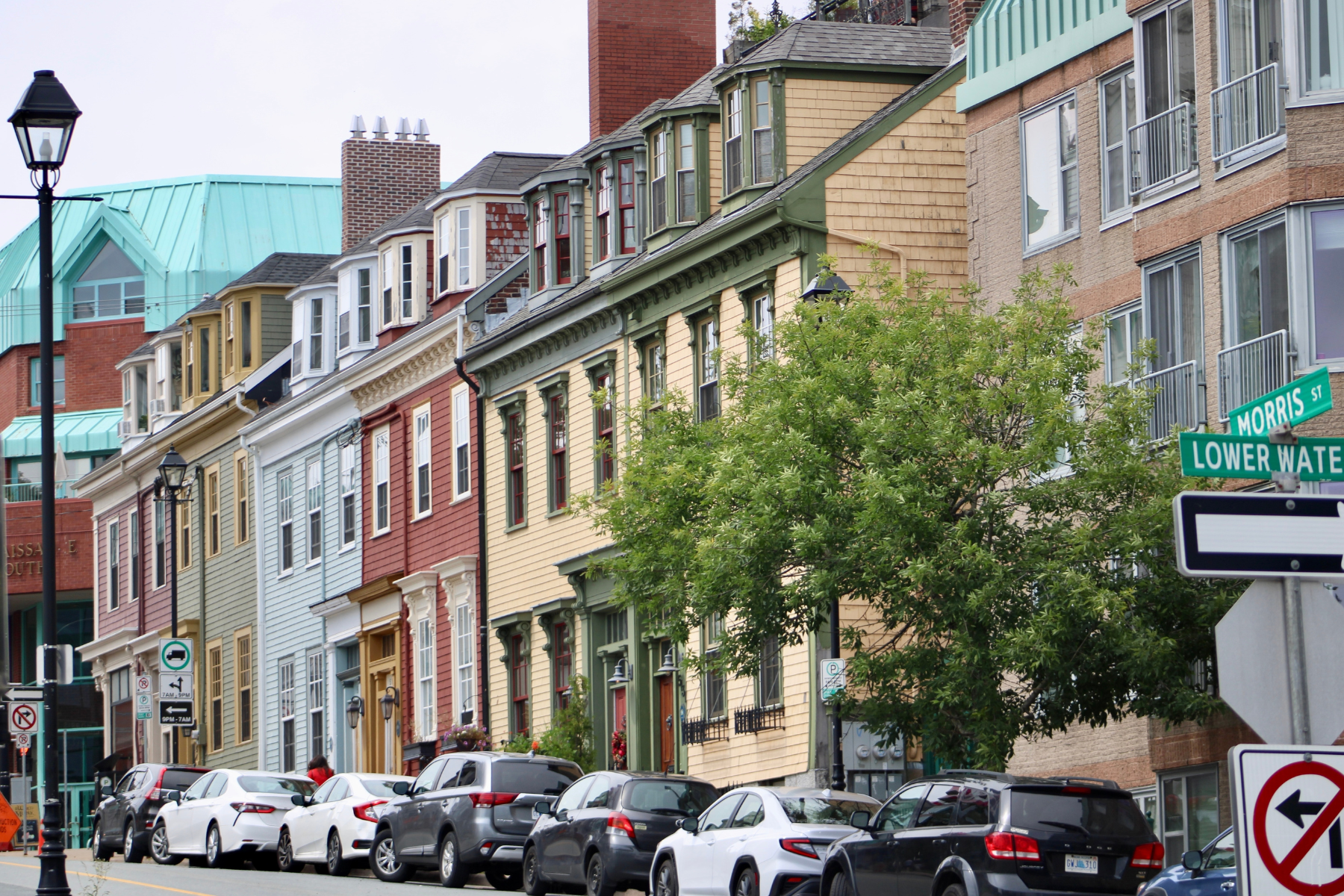 People flock to the polished, walkable South End because of its leafy green streets, character homes, and the fact that it's so close to universities, hospitals, and the waterfront.
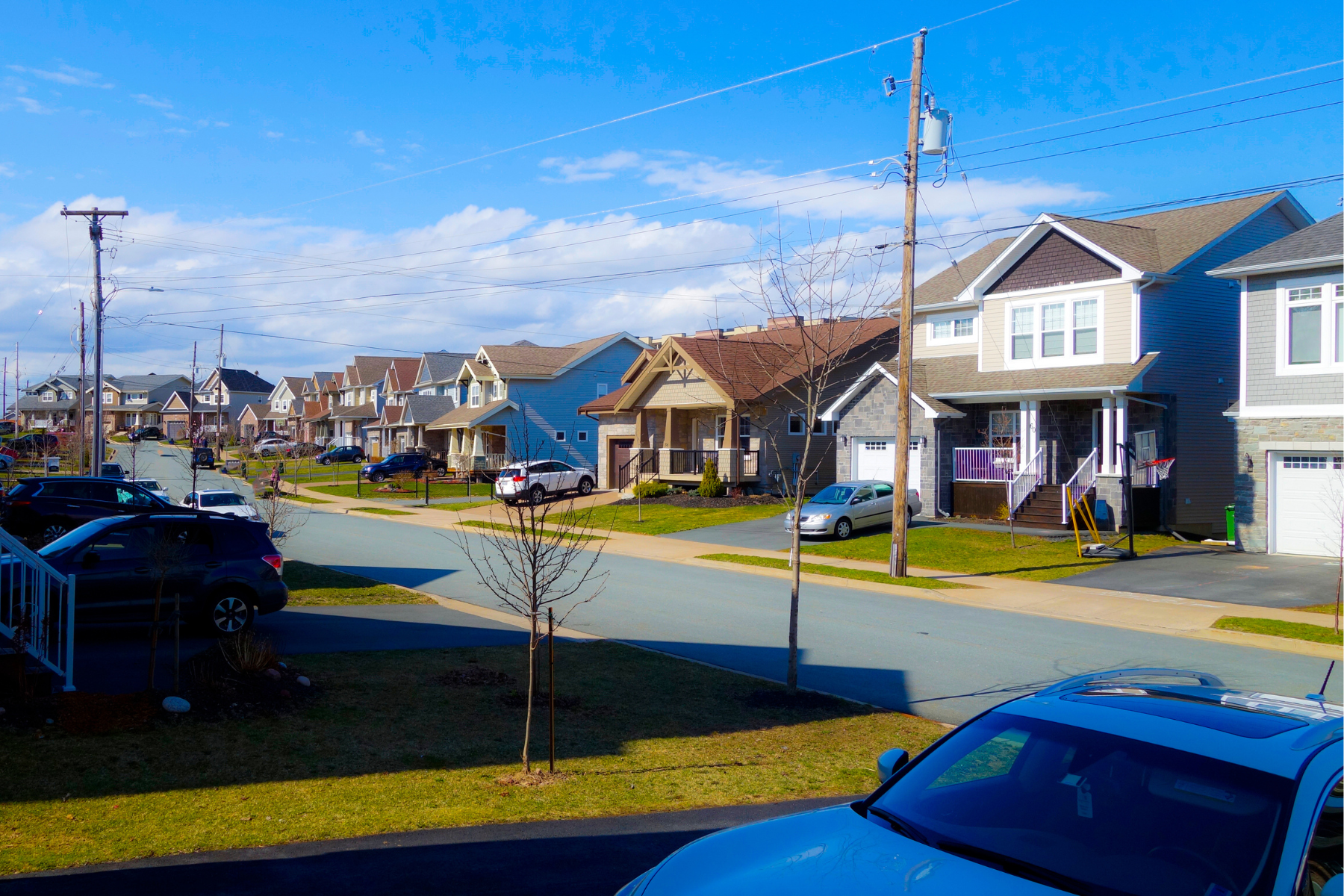 This popular suburb has waterfront trails, newer homes, good schools, and easy highway access.
 How you get around Halifax will depend on your lifestyle and budget.
 Halifax has a mix of public and private parking lots and parkades, especially downtown and along the waterfront.
 Locals and visitors alike have a bunch of activities to keep them busy, with something for everyone to enjoy.
 Halifax hosts over 650 places to eat, from small cafes and food trucks to upscale fine dining. Here’s a breakdown of what you might spend on a night out.
 All in all, Halifax is an affordable, smaller-city choice to live for people wanting a life filled with scenic beauty and a close community. If you’ve decided that Halifax sounds like your new home, all you have to do is make the move!


![The cost of living in Quebec City [2025]](https://cdn.wisemove.ca/image/blog/844c494aff67e504755aa1926c2fe686.jpeg "The cost of living in Quebec City [2025]")
![The cost of living in Ottawa [2025]](https://cdn.wisemove.ca/image/blog/05c56698337852b128efa8b1144e6466.jpeg "The cost of living in Ottawa [2025]")
![The Cost of Living in Winnipeg [2025]](https://cdn.wisemove.ca/image/blog/8874f5688baa4a1291d7eae6c507f8aa.jpeg "The Cost of Living in Winnipeg [2025]")
![The Cost of Living in Edmonton [2025]](https://cdn.wisemove.ca/image/blog/85d8f0085c5276a3f3add5828109b82a.jpeg "The Cost of Living in Edmonton [2025]")
![The Cost of Living in Victoria [2025]](https://cdn.wisemove.ca/image/blog/012c60baf3a9dd52b2112857fe508e4c.jpeg "The Cost of Living in Victoria [2025]")
![The Cost of Living in Montreal [2025]](https://cdn.wisemove.ca/image/blog/3d9ba911fae51ef6bf042019500f2c4b.jpeg "The Cost of Living in Montreal [2025]")
![The Cost of Living in Toronto [2025]](https://cdn.wisemove.ca/image/blog/ded0549bf885e2463f6b3516d9f8f021.jpeg "The Cost of Living in Toronto [2025]")

![The Cost of Living in Calgary [2025]](https://cdn.wisemove.ca/image/blog/44a5bcb6ebf6c658f5c5fe30ab7077c9.jpeg "The Cost of Living in Calgary [2025]")
![The Cost of Living in Canada [2025]](https://cdn.wisemove.ca/image/blog/fd5e6f8de7a01a874376620f785ffdba.jpeg "The Cost of Living in Canada [2025]")
![How much do you need to earn to live comfortably in Vancouver? [2026]](https://cdn.wisemove.ca/image/blog/7036030cc91de9cff4153dc88aa88f85.jpeg "How much do you need to earn to live comfortably in Vancouver? [2026]")
![How much do you need to earn to live comfortably in Winnipeg? [2025]](https://cdn.wisemove.ca/image/blog/d52ddc1f425f60fd553dcc00f7eb0fb5.jpeg "How much do you need to earn to live comfortably in Winnipeg? [2025]")

![How much do you need to earn to live comfortably in Victoria? [2025]](https://cdn.wisemove.ca/image/blog/f0bdeb7f43a3340afba84793c4fddbac.jpeg "How much do you need to earn to live comfortably in Victoria? [2025]")
![How much do you need to earn to live comfortably in Montreal? [2025]](https://cdn.wisemove.ca/image/blog/80e0ee82a5a92d9451b96ff875513ee4.jpeg "How much do you need to earn to live comfortably in Montreal? [2025]")
![How much do you need to earn to live comfortably in Toronto? [2025]](https://cdn.wisemove.ca/image/blog/de7b110360e9510bfcb89724b7ef9af4.jpeg "How much do you need to earn to live comfortably in Toronto? [2025]")
![How much do you need to earn to live comfortably in Calgary? [2025]](https://cdn.wisemove.ca/image/blog/46fef724030602a02f51110ffb3ac569.jpeg "How much do you need to earn to live comfortably in Calgary? [2025]")