Wondering how much you need to earn to live comfortably in Vancouver? You’re not the only one doing the maths. Between high rent, expensive property, grocery bills, and everyday transport costs, Vancouver remains one of the priciest cities in Canada.
That said, the appeal is obvious. Surrounded by snow-peaked mountains, rainforests, beaches, and easy weekend access to Whistler, Vancouver offers the kind of lifestyle that makes people seriously consider the cost.
To help you plan realistically, we’ve broken down the main monthly expenses you’ll need to budget for in 2026, from rent and groceries to transport, entertainment and the income you’ll likely need to live with some comfort and security.
How much will I pay for rent in Vancouver?
The simple answer is, that you’ll most likely pay a lot. Most central Vancouver neighbourhoods have some of the highest rents in the country. But some outlying areas offer cheaper rent.
As of January 2026, the average monthly rent for an apartment in Vancouver is approximately CA$2,654. A three-bedroom apartment averages around CA$3,931 per month.
Some Vancouver neighbourhoods are among the world's most expensive places to live. These include:
Some areas and nearby towns have a lower cost of living, including rent:
-
Surrey
-
New Westminster
-
Langley
-
Port Coquitlam
As of May 2026, a one-bedroom apartment in Surrey, BC, rents for about CA$1,750.
If you live with a partner or are open to having roommates, you can expect to pay between CA$950 and CA$1,500 in rent per month.
Average monthly rent: CA$1,200 (if in a shared rental)
What if I have a mortgage?
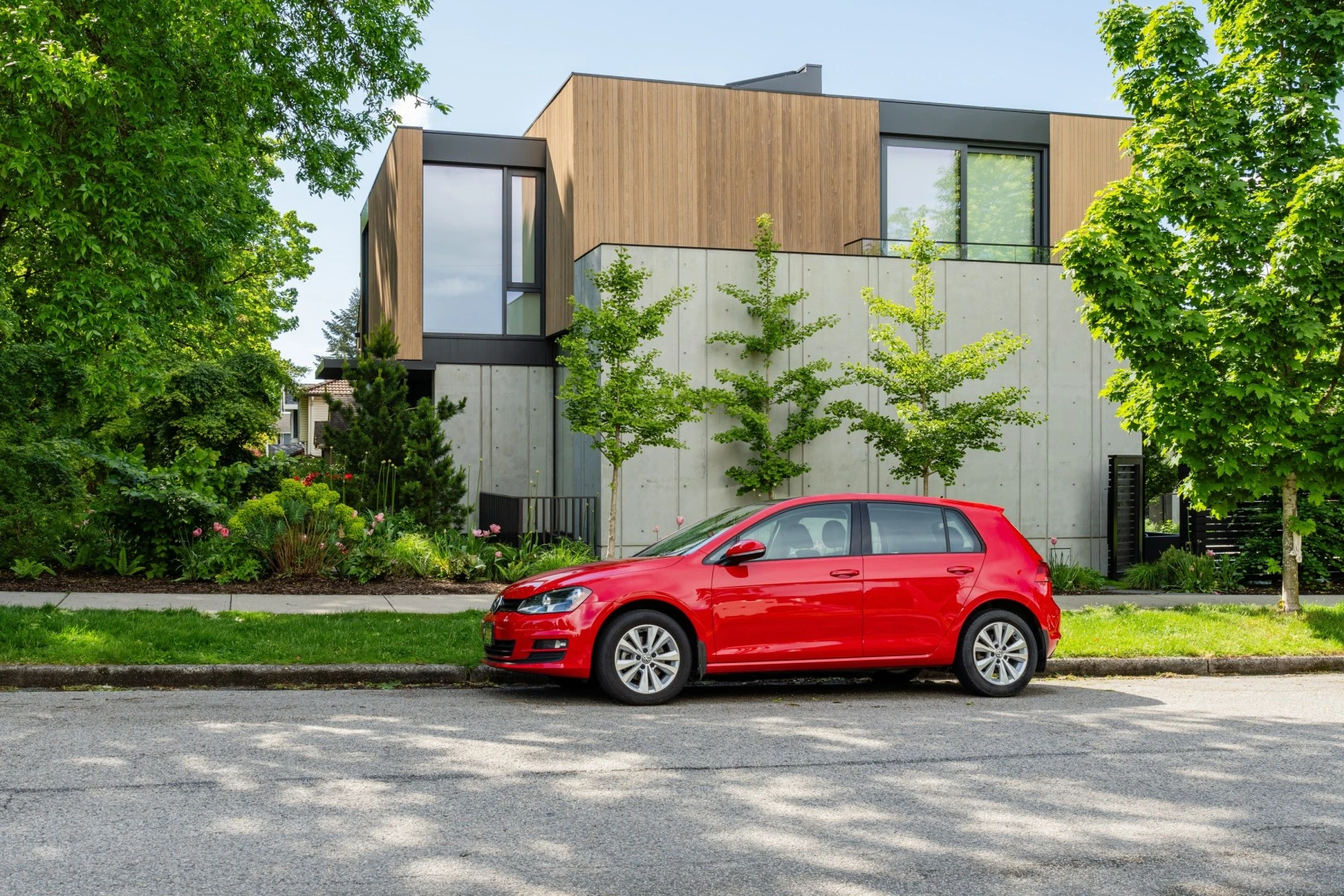 As of May 2026, the average home prices in Greater Vancouver and Surrey are as follows:
- Greater Vancouver: The average selling price of a detached home is approximately CA$1,958,499.
- Surrey: The average home price is around CA$1,004,908.
If you are thriving financially and can afford a home in Vancouver, you can calculate your monthly mortgage based on the average detached home price: CA$1,958,499. For a CA$1,958,499 home, with a 20% down payment and a 4.19% interest rate over 30 years, the monthly mortgage would be about CA$7,653.
Over in Surrey and other more affordable surrounding areas, the average home price is CA$1,004,908. Using the same calculations, your monthly mortgage would be about CA$3,927.
Average monthly mortgage, split with a partner: CA$2,895
How much will I spend on food in Vancouver each month?
 On average, a single person in Vancouver will spend around CA$500 to CA$600 on groceries every month. Vancouver has a big health food scene. So, organic or speciality foods may cost more.
A family of four can expect to spend around CA$1,464 monthly on groceries in Vancouver.
Monthly food costs for 1 person: CA$500–600
How much will my electricity and monthly bills be?
Vancouver has a mild, temperate climate. It rarely drops below freezing. You will use less power to warm your home in the winter compared to the rest of Canada away from B.C.’s coast.
A family of four can expect a monthly bill for utilities and internet between CA$300 and CA$500. This amount varies based on usage and service providers. The size of your home and the time of year will also affect these numbers.
Monthly bills per person: CA$200
What does it cost to get around in Vancouver?
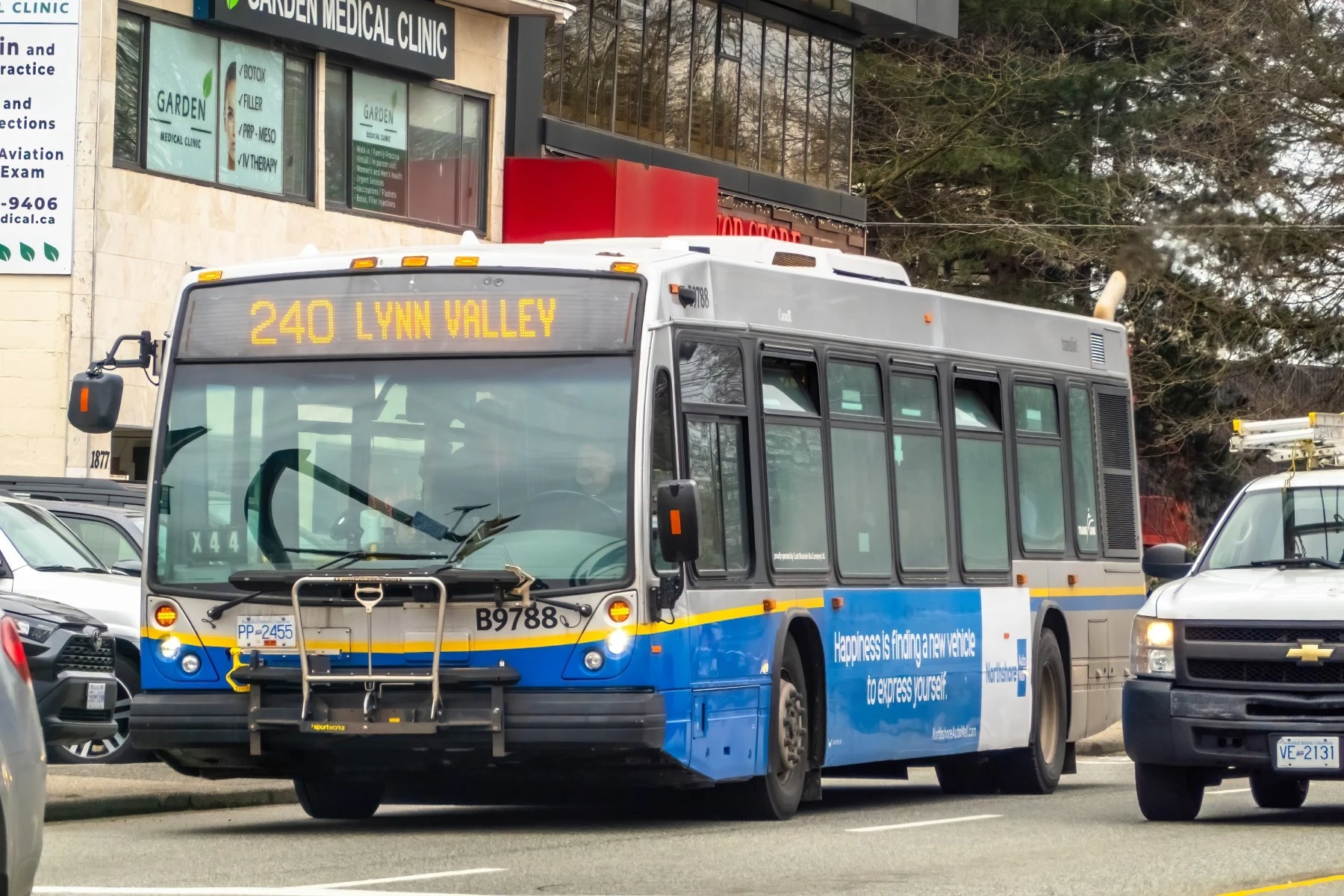 Vancouver is sprawling. Horseshoe Bay, on the west coast, is 75 km from Langley in the east. Traffic congestion can be a challenge, especially during rush hours.
TransLink has a vast public transit system. It makes travel easy and cheap. The SkyTrain is a rapid transit network with three main lines: Expo, Millennium, and Canada.
From July 1, 2026, fares start at CA$3.50 for one zone, and monthly passes range from CA$117.20 to CA$211.65.
The SeaBus is a ferry. It connects downtown Vancouver to the North Shore. A bus network covers the entire city.
The West Coast Express is a commuter train linking Vancouver with the Fraser Valley.
The Compass Card system pays for public transit in Metro Vancouver. It’s a reusable, reloadable card used for buses, SkyTrain, SeaBus, and the West Coast Express. You can load the card with stored value or monthly passes and tap in and out at card readers in transit. You can top up Compass Cards at Compass Vending Machines, online, or by phone.
Some Vancouver residents cycle instead, especially on the beautiful Stanley Park Seawall bike route. There are car-sharing apps, and taxis or Uber. Electric scooter sharing is also available in certain neighbourhoods.
Average monthly transportation costs: CA$150
How much does it cost to eat out in Vancouver?
 The city’s multiculturalism influences Vancouver's diverse restaurant scene. Many restaurants promote sustainable food and local, Delta-sourced produce. Delta, Vancouver's neighbour, is B.C.'s largest agricultural centre. In Vancouver, you'll also find food trucks, ethnic cuisines, cafes, and fine dining.
Cheaper spots offer meals for CA$25-30. Mid-range dining is around CA$35-60 per plate. Fine dining establishments offer meals starting around CA$90, with pricier spots serving plates in the CA$200 range.
Monthly restaurant costs: CA$250–400
How much will I spend on entertainment while living in Vancouver?
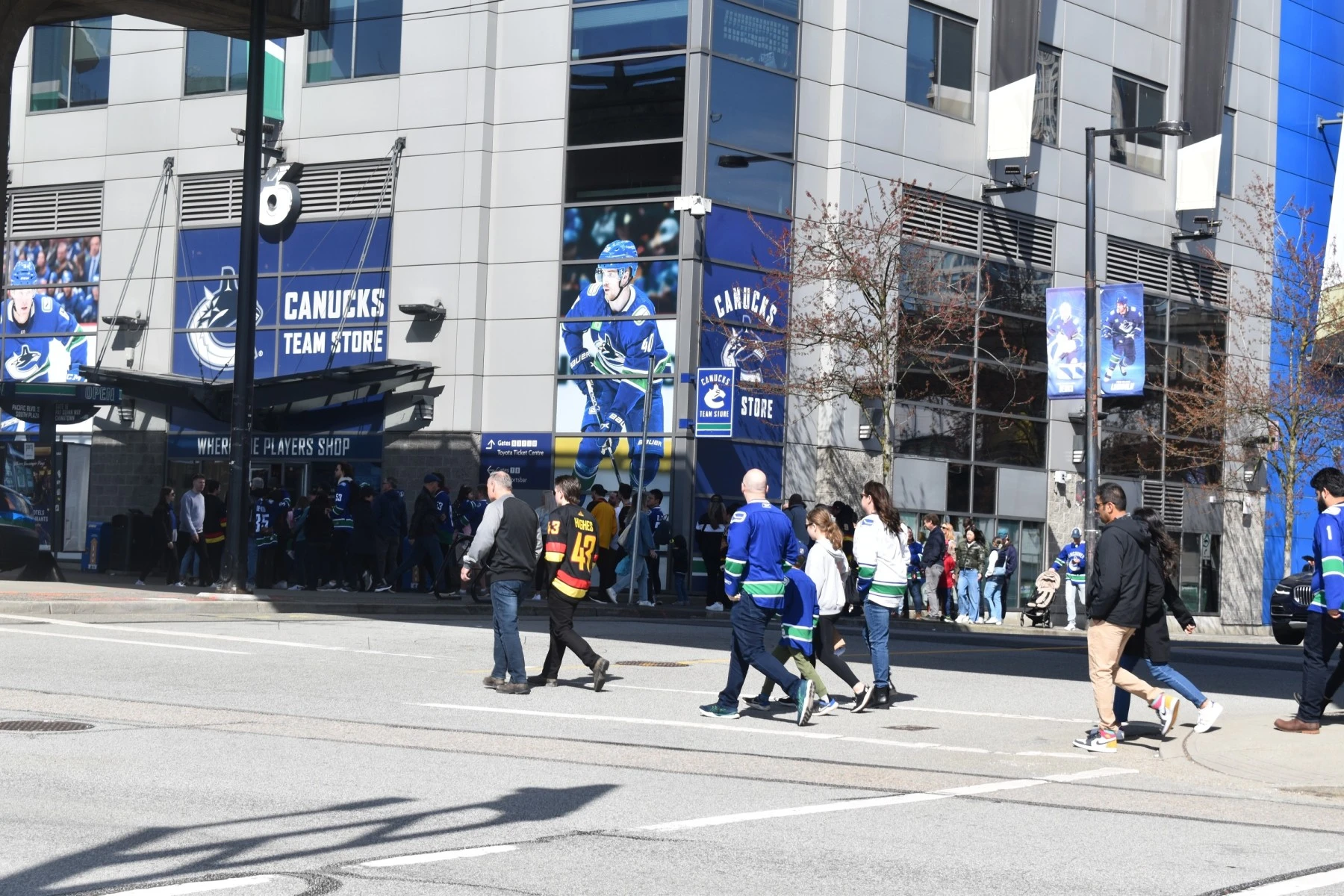 Vancouver’s entertainment options range from rootsy to refined. Artists flock to Vancouver, especially on the east side. The city is full of theatres, live music venues, and places to see independent and mainstream films.
Read our guide on where to buy the best art in Vancouver for insider tips.
Nightlife lovers frequent the city's many bars, lounges, and clubs. Many famous music groups include Vancouver in their tours—the city has several large concert venues.
Outdoor enthusiasts adventure year-round by going on hikes, bike rides, skiing, and beach walking.
Sports are big in Vancouver, home to the Vancouver Canucks—the city’s well-loved NHL team. Sports fans can choose from frequent major sporting events.
Monthly entertainment costs: CA$150–CA$250
How much can I expect to spend on basics?
Basics include your rent or mortgage, groceries, transport, and some entertainment activities. This includes dates and restaurant meals. Monthly expenses in Vancouver can range from CA$3,600 to CA$4,500 per person. A small family could live off CA$9,000 to CA$10,500 per month if careful with spending.
Living in Vancouver as an individual would cost about CA$48,000 per year. This is more than CA$10,000 higher than the annual salary of someone earning minimum wage in B.C.
Note: This figure is before taxes, RRSP, and CPP. It excludes savings, vacations, and unexpected costs like car repairs or appliance replacements. On average, Canadians spend about CA$4,000 per year on their vehicles.
How much do I need to earn to live comfortably in Vancouver?
If CA$48,000 covers the basics, how much do I need to earn to live comfortably?
To live comfortably and securely in Vancouver as a single person, you'll need to earn an annual income of approximately CA$90,000.
With this income, you could get a place in the more upscale areas of the city. You would be able to afford vacations and create savings as well. With this income, you could achieve a balance between work and play.
A $90k annual income would let you spend on self-care. This includes bodywork, therapy, health treatments, and memberships. Entertainment costs could include bigger concerts, festivals, and sporting events.
For a family of four, you'll need a combined income of CA$170,000 to allow for a comfortable lifestyle in Vancouver.
Ready to make the move to Vancouver?

Moving to Vancouver is not the cheapest decision you’ll ever make, but for many people, it’s one of the most rewarding. The city offers career opportunities, coastal scenery, mountain access, great food, and a lifestyle that’s hard to match anywhere else in Canada.
If you understand what rent, groceries, transport and everyday costs look like, you can plan your move properly and give yourself a better chance of enjoying Vancouver without feeling financially stretched from day one.
When you’re ready to make the move, Wise Move can help you get there with less stress. Book our trusted Vancouver moving teams for home moves, furniture transport, vehicle transport and more, so you can focus on starting your next chapter in the city.




![How much do you need to earn to live comfortably in Vancouver? [2026]](https://cdn.wisemove.ca/image/blog/6ef9ab103778bf29ee25b72ecb3d2598.jpeg "How much do you need to earn to live comfortably in Vancouver? [2026]")
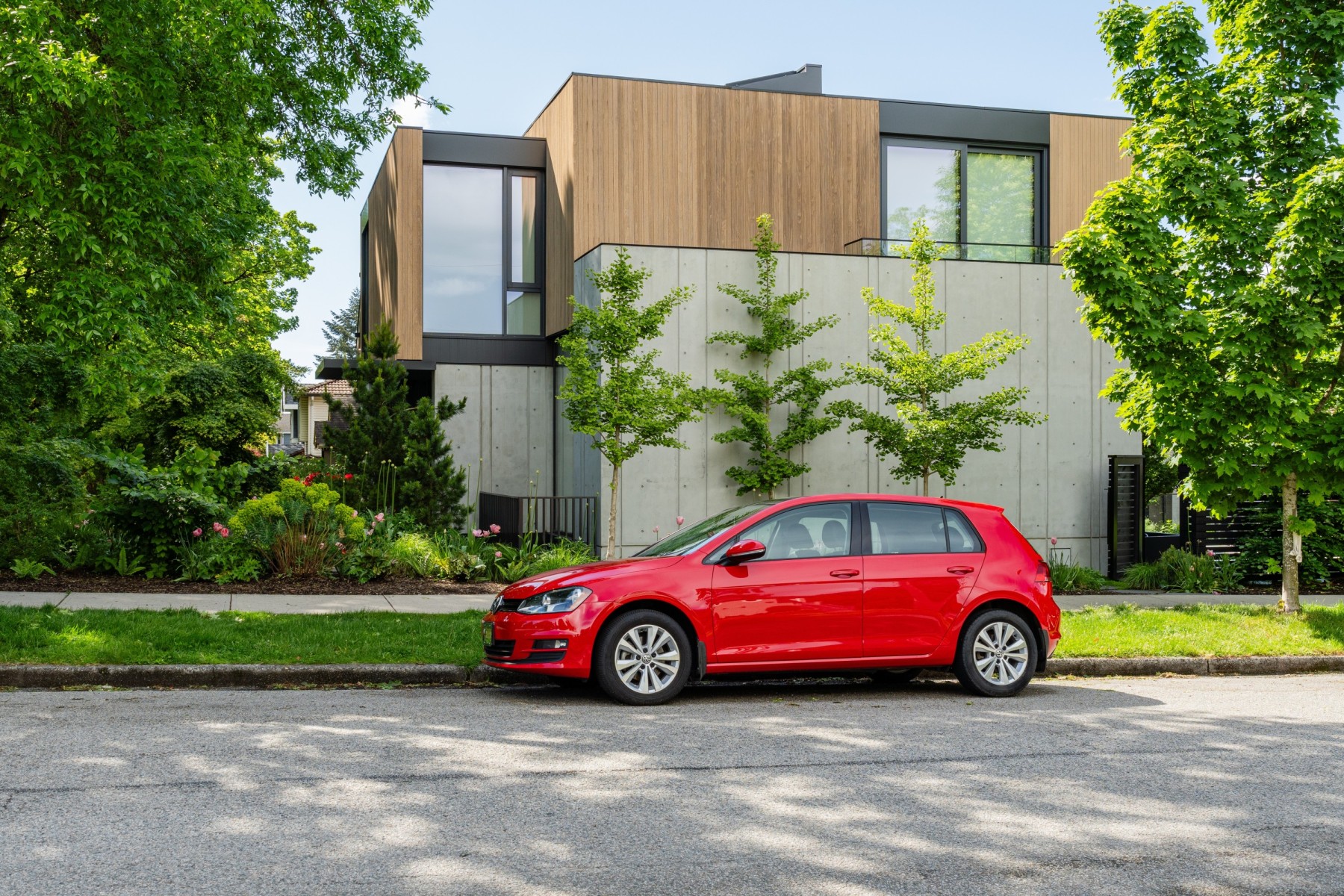 As of May 2026, the average home prices in Greater Vancouver and Surrey are as follows:
 On average, a single person in Vancouver will spend around CA$500 to CA$600 on groceries every month. Vancouver has a big health food scene. So, organic or speciality foods may cost more.
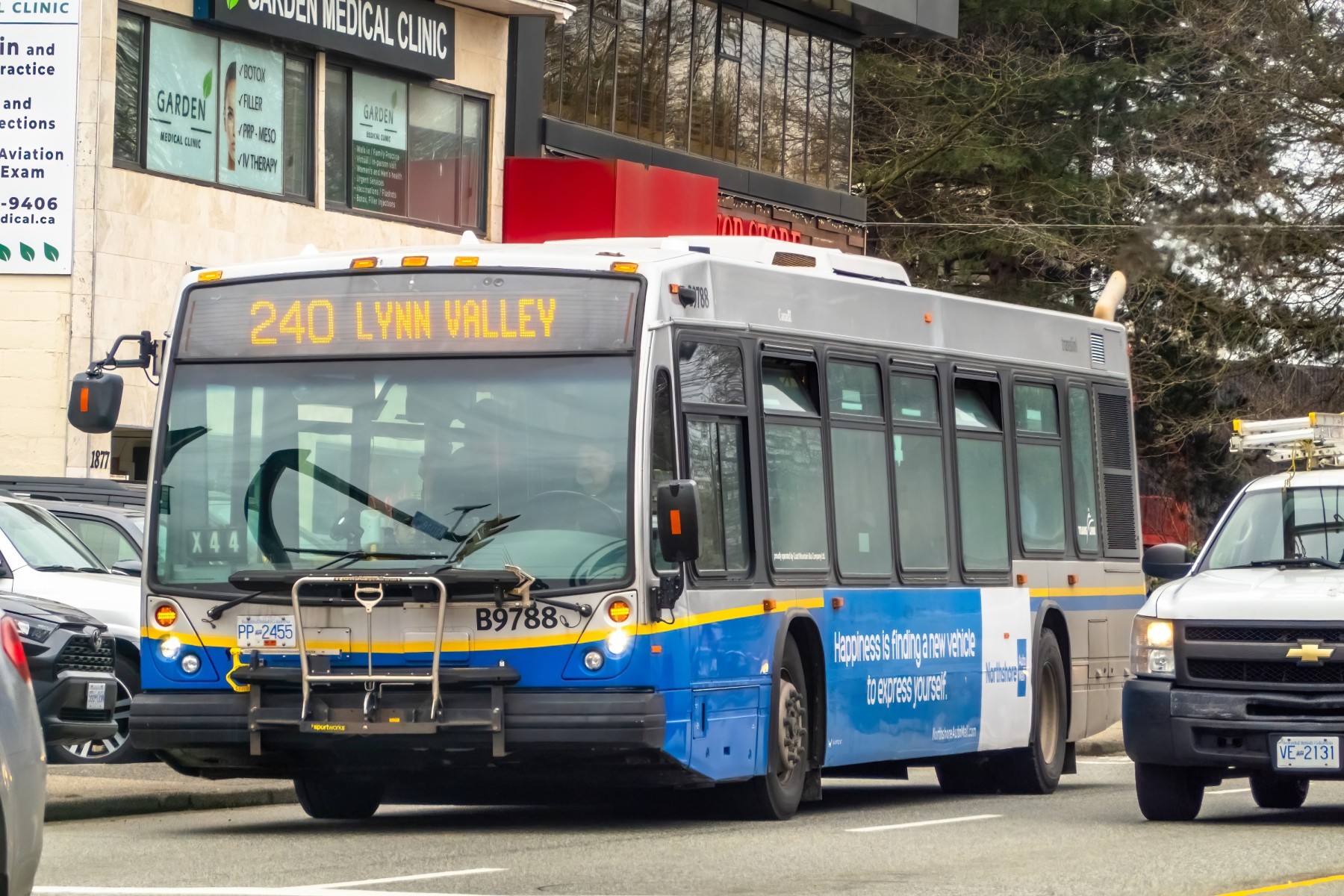 Vancouver is sprawling. Horseshoe Bay, on the west coast, is 75 km from Langley in the east. Traffic congestion can be a challenge, especially during rush hours.
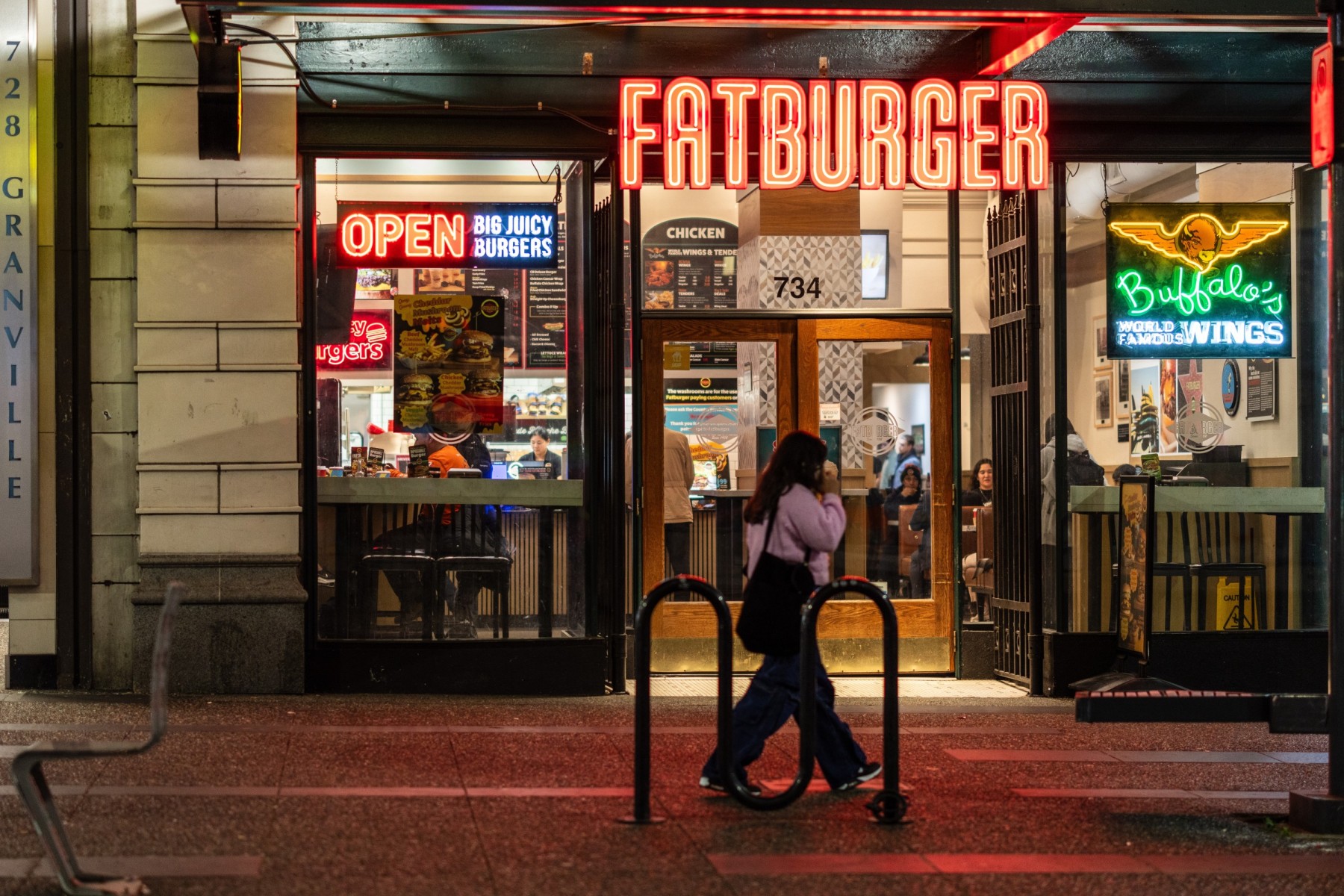 The city’s multiculturalism influences Vancouver's diverse restaurant scene. Many restaurants promote sustainable food and local, Delta-sourced produce.
 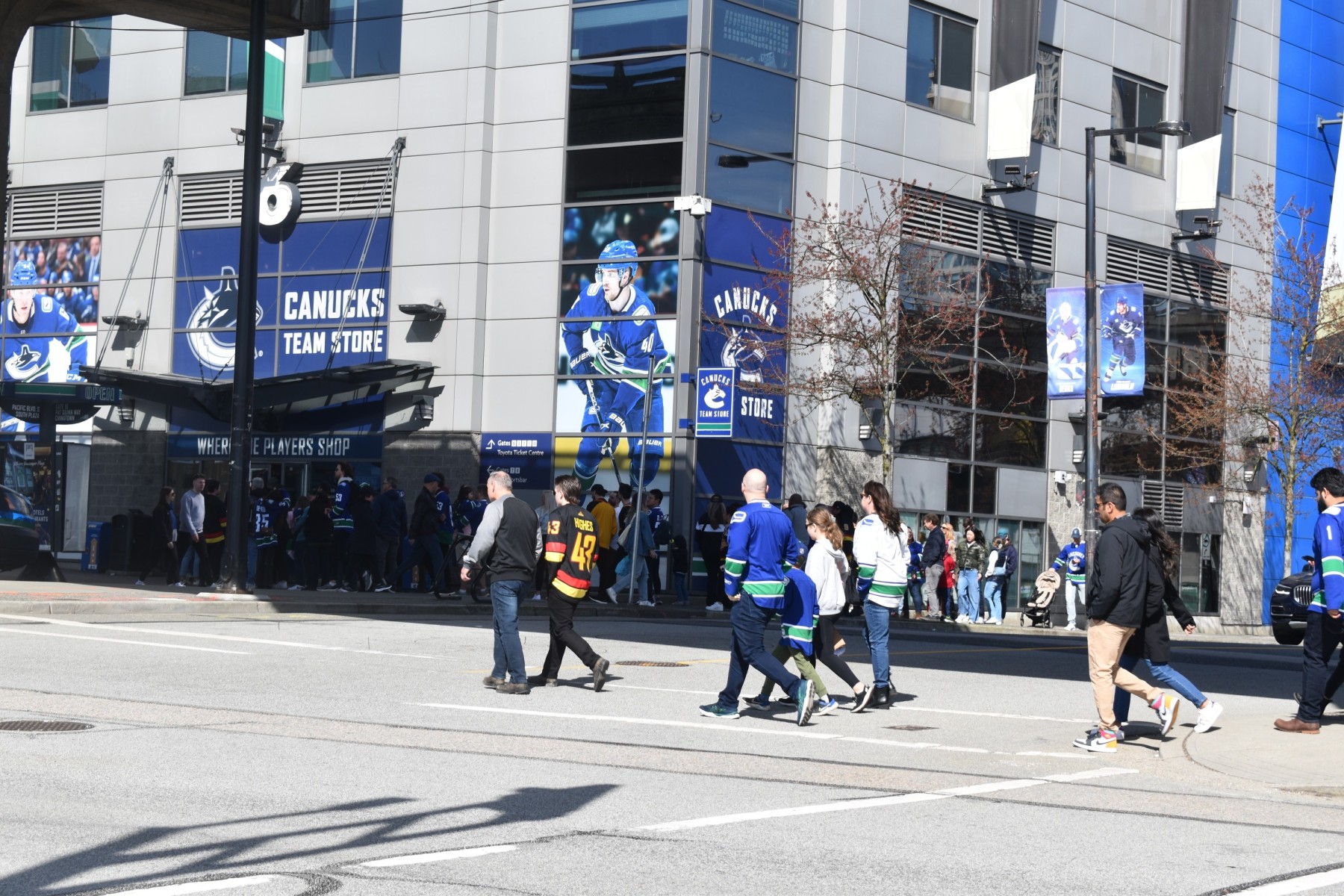 Vancouver’s entertainment options range from rootsy to refined. Artists flock to Vancouver, especially on the east side. The city is full of theatres, live music venues, and places to see independent and mainstream films.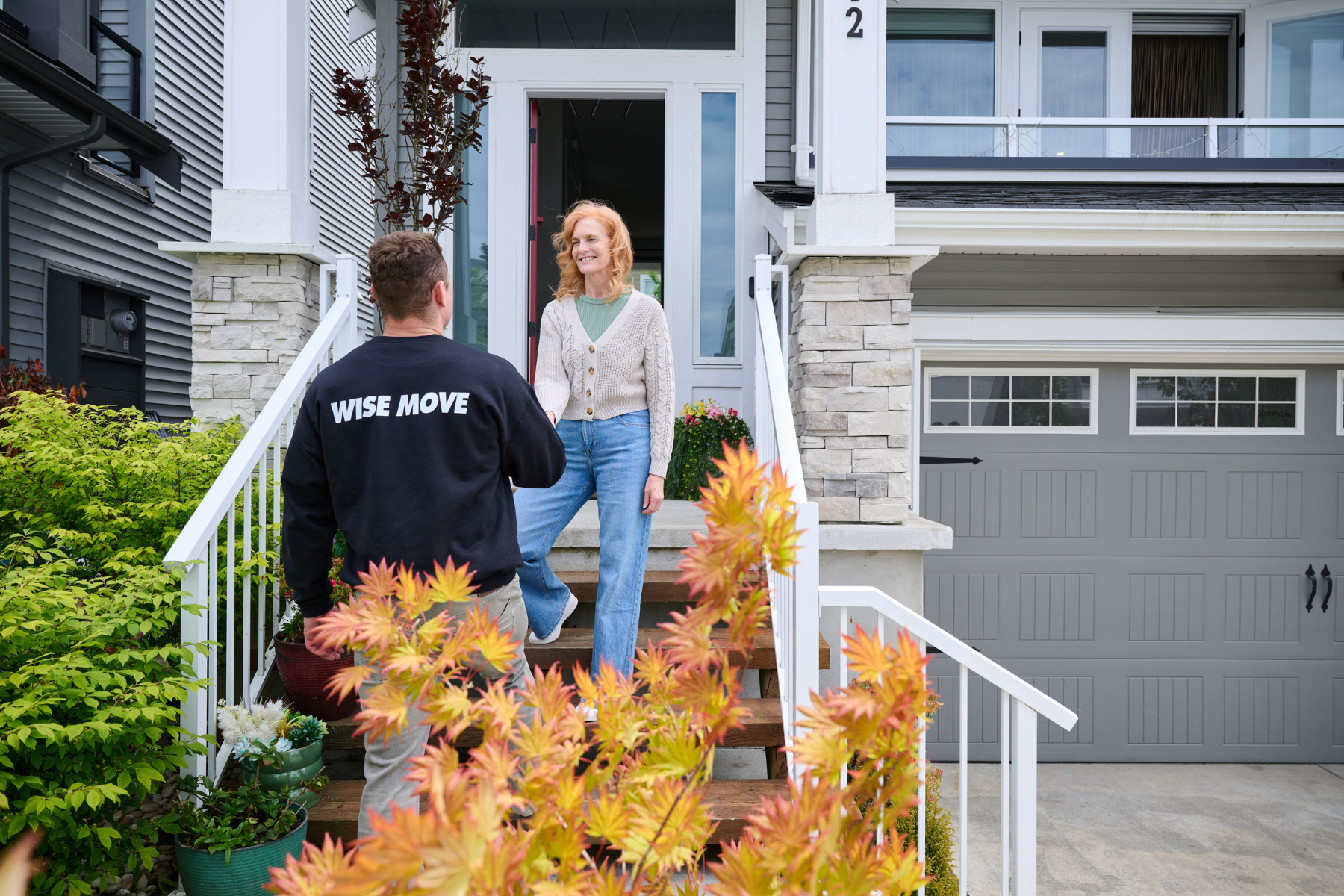




![How much do you need to earn to live comfortably in Calgary? [2025]](https://cdn.wisemove.ca/image/blog/46fef724030602a02f51110ffb3ac569.jpeg "How much do you need to earn to live comfortably in Calgary? [2025]")
![How much do you need to earn to live comfortably in Toronto? [2025]](https://cdn.wisemove.ca/image/blog/de7b110360e9510bfcb89724b7ef9af4.jpeg "How much do you need to earn to live comfortably in Toronto? [2025]")
![How much do you need to earn to live comfortably in Montreal? [2025]](https://cdn.wisemove.ca/image/blog/80e0ee82a5a92d9451b96ff875513ee4.jpeg "How much do you need to earn to live comfortably in Montreal? [2025]")
![How much do you need to earn to live comfortably in Victoria? [2025]](https://cdn.wisemove.ca/image/blog/f0bdeb7f43a3340afba84793c4fddbac.jpeg "How much do you need to earn to live comfortably in Victoria? [2025]")
![How much do you need to earn to live comfortably in Winnipeg? [2025]](https://cdn.wisemove.ca/image/blog/d52ddc1f425f60fd553dcc00f7eb0fb5.jpeg "How much do you need to earn to live comfortably in Winnipeg? [2025]")
![The Cost of Living in Canada [2025]](https://cdn.wisemove.ca/image/blog/fd5e6f8de7a01a874376620f785ffdba.jpeg "The Cost of Living in Canada [2025]")
![The Cost of Living in Toronto [2025]](https://cdn.wisemove.ca/image/blog/ded0549bf885e2463f6b3516d9f8f021.jpeg "The Cost of Living in Toronto [2025]")
![The Cost of Living in Montreal [2025]](https://cdn.wisemove.ca/image/blog/3d9ba911fae51ef6bf042019500f2c4b.jpeg "The Cost of Living in Montreal [2025]")
![The Cost of Living in Calgary [2025]](https://cdn.wisemove.ca/image/blog/44a5bcb6ebf6c658f5c5fe30ab7077c9.jpeg "The Cost of Living in Calgary [2025]")
![The Cost of Living in Victoria [2025]](https://cdn.wisemove.ca/image/blog/012c60baf3a9dd52b2112857fe508e4c.jpeg "The Cost of Living in Victoria [2025]")
![The Cost of Living in Winnipeg [2025]](https://cdn.wisemove.ca/image/blog/8874f5688baa4a1291d7eae6c507f8aa.jpeg "The Cost of Living in Winnipeg [2025]")
![The cost of living in Ottawa [2025]](https://cdn.wisemove.ca/image/blog/05c56698337852b128efa8b1144e6466.jpeg "The cost of living in Ottawa [2025]")
![The cost of living in Quebec City [2025]](https://cdn.wisemove.ca/image/blog/844c494aff67e504755aa1926c2fe686.jpeg "The cost of living in Quebec City [2025]")