Wide open skies, river valley trails, and a cost of living that feels almost unheard of in modern Canada: Saskatoon offers a lifestyle that’s hard to find in larger cities. Built along the banks of the river and surrounded by prairie landscapes, the city offers scenic views, open space, and a slower, more relaxed pace of life.
Saskatoon is one of Canada’s most affordable mid-size cities for both renters and buyers. The Meewasin Valley offers trails for walking and cycling, while the University of Saskatchewan, along with the local food and arts scenes, brings energy and diversity to the city. Commutes are short, people are friendly, neighbours check in on each other, and daily life feels manageable compared to larger urban centres.
In this guide, we’ll explore what living in Saskatoon is really like, including the job market, cost of property, neighbourhoods to know, commuting and parking, food prices, and the events and activities that shape life in the city.
What’s different about living in Saskatoon?
 Saskatoon stands out for its affordability, natural beauty, and relaxed pace of life, but there are trade-offs to consider.
Pros
- More affordable than most Canadian cities
- Scenic location along the river and Meewasin Valley
- Easy commuting with very little traffic
- Strong sense of community and slower pace of life
Cons
- Limited nightlife and entertainment options.
- Economy heavily tied to agriculture, mining, and resource industries.
- Long, harsh winters with extreme cold and long periods of darkness.
- Fewer shopping, dining, and travel options than in larger cities.
- Most flights out of the province require a connection.
Overall, residents generally agree that Saskatoon offers affordability and community in exchange for fewer big-city amenities and tougher winters.
Job market appeal in Saskatoon
Employment levels in Saskatoon are strong, with steady growth in the labour market. Workers are in demand across both traditional industries and growing service sectors.
Key industries currently hiring include:
- Agriculture and mining
- Healthcare
- Construction
- Education
- Retail and hospitality
- Transportation and logistics
- Professional and administrative services
Job listings range from entry-level service roles to admin, tech, and professional positions, meaning many newcomers can find work quickly regardless of experience or credentials.
However, Saskatoon is a smaller community, so breaking into some fields may take time. Newcomers without local references or Canadian experience can find it harder to get started.
The cost of property in Saskatoon
Renting in Saskatoon
Renting in Saskatoon is refreshingly affordable compared to most Canadian cities.
As of early 2026, average apartment rents range from about CA$1,350 to CA$1,560 per month, depending on size and location; this is roughly 20% lower than the national average.
Typical rental prices:
- One-bedroom apartment: around CA$1,300/month
- Two-bedroom apartment: around CA$1,500/month
- Houses: typically CA$1,500 – CA$2,000/month
- Budget deals: fast-acting renters can sometimes find a two-bedroom for around CA$1,100
House-share platforms
Living with roommates is another way to keep costs down, especially for students or newcomers building savings. These are some of the most commonly used rental platforms in Canada:
- Craigslist
- Kijiji
- Facebook Marketplace
- Roomies.ca
- Rentals.ca
- Zillow
- Roomster
- Zumper
Buying a home in Saskatoon
The overall average residential sale price in Saskatoon is around CA$420,000 – CA$430,000, making it a leader in affordability throughout Canada.
Saskatoon’s neighbourhoods of interest
Neighbourhoods close to the South Saskatchewan River and downtown are some of the most popular places to live in Saskatoon, but every part of the city has its own advantages, from newer homes and good schools to quieter suburban streets.
The Greater Saskatoon area, officially the Saskatoon Census Metropolitan Area (CMA), includes the municipalities of Saskatoon, Martensville, Warman, and Corman Park No. 344, with around 60 neighbourhoods in total.
Some of the most popular areas to live in Saskatoon include:
Nutana
 Not only is Nutana close to both the river and Broadway Avenue, but it’s also full of beautiful character homes, fun cafes, and it’s walkable. It’s a perfect mix of charm and ease.
- Average rent (1–2 bedroom): ~CA$1,400 – CA$1,800
- Average home price: ~CA$500,000 – CA$650,000
Stonebridge
This newer south-end suburb hosts sleek, modern homes, great shopping centres, schools, and easy access to the highway. Especially popular with middle-class families.
- Average rent (1–2 bedroom): ~CA$1,400 – CA$1,900/month
- Average home price: ~CA$450,000 – CA$600,000
Willogrove
This is a quiet area on the east side with large homes, schools, and many parks. Also popular with families.
- Average rent (1–2 bedroom): ~CA$1,400 – CA$1,900/month
- Average home price: ~CA$500,000 – CA$650,000
Riversdale
 For those wanting a little dazzle, Riversdale is both trendy and artsy, and it’s close to both downtown and the river. Its proximity to hip restaurants and galleries makes it appealing for younger professionals and creatives.
- Average rent (1–2 bedroom): ~CA$1,300 – CA$1,700/month
- Average home price: ~CA$350,000 – CA$500,000
Erindale and Arbor Creek
Large trees help beautify this area as well as keep it shady in the summer. The schools have a good reputation, and it's a great spot for those wanting to put down roots.
- Average rent (1–2 bedroom): ~CA$1,300 – CA$1,800/month
- Average home price: ~CA$450,000 – CA$600,000
Varsity View
Students like renting here because it's close to the University of Saskatchewan. Property values are strong and stable, and there is a high demand from academics and professionals.
- Average rent (1–2 bedroom): ~CA$1,400 – CA$1,900/month
- Average home price: ~CA$550,000 – CA$700,000
Brighton
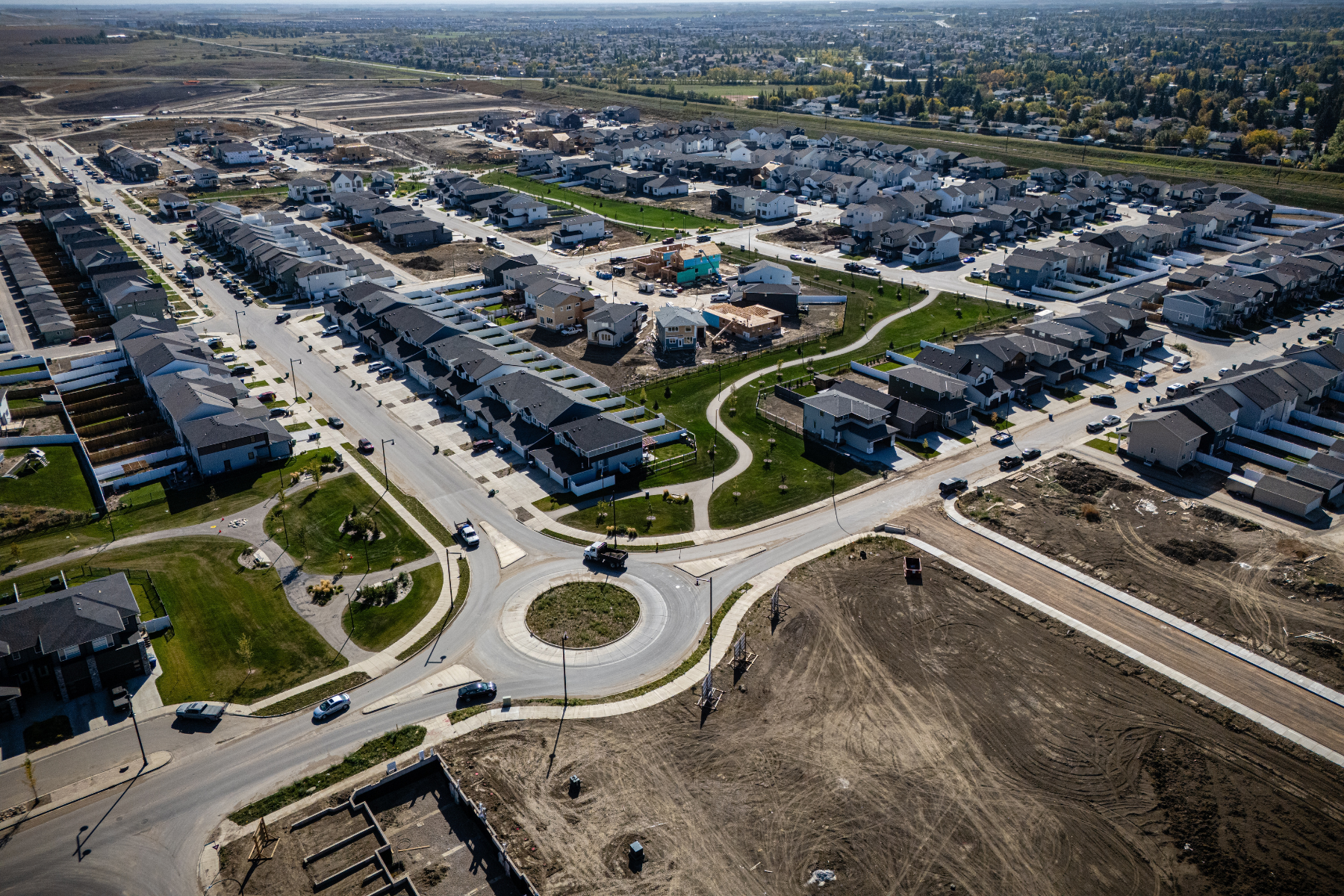
 This is one of the newest developments in Saskatoon, which means the homes are contemporary and the amenities are thorough.
- Average rent (1–2 bedroom): ~CA$1,500 – CA$2,000/month
- Average home price: ~CA$550,000 – CA$700,000
Commuting in Saskatoon
Commuting to Saskatoon is fairly easy because of its grid layout and wide main roads. You can travel across the city in 20-30 minutes by car, depending on traffic and weather. And for anxious drivers, don’t worry – traffic is rarely stressful.
Though most people in the prairies drive, locals also make use of public transit, cycling, walking, ride-sharing, and taxis.
Public Transit
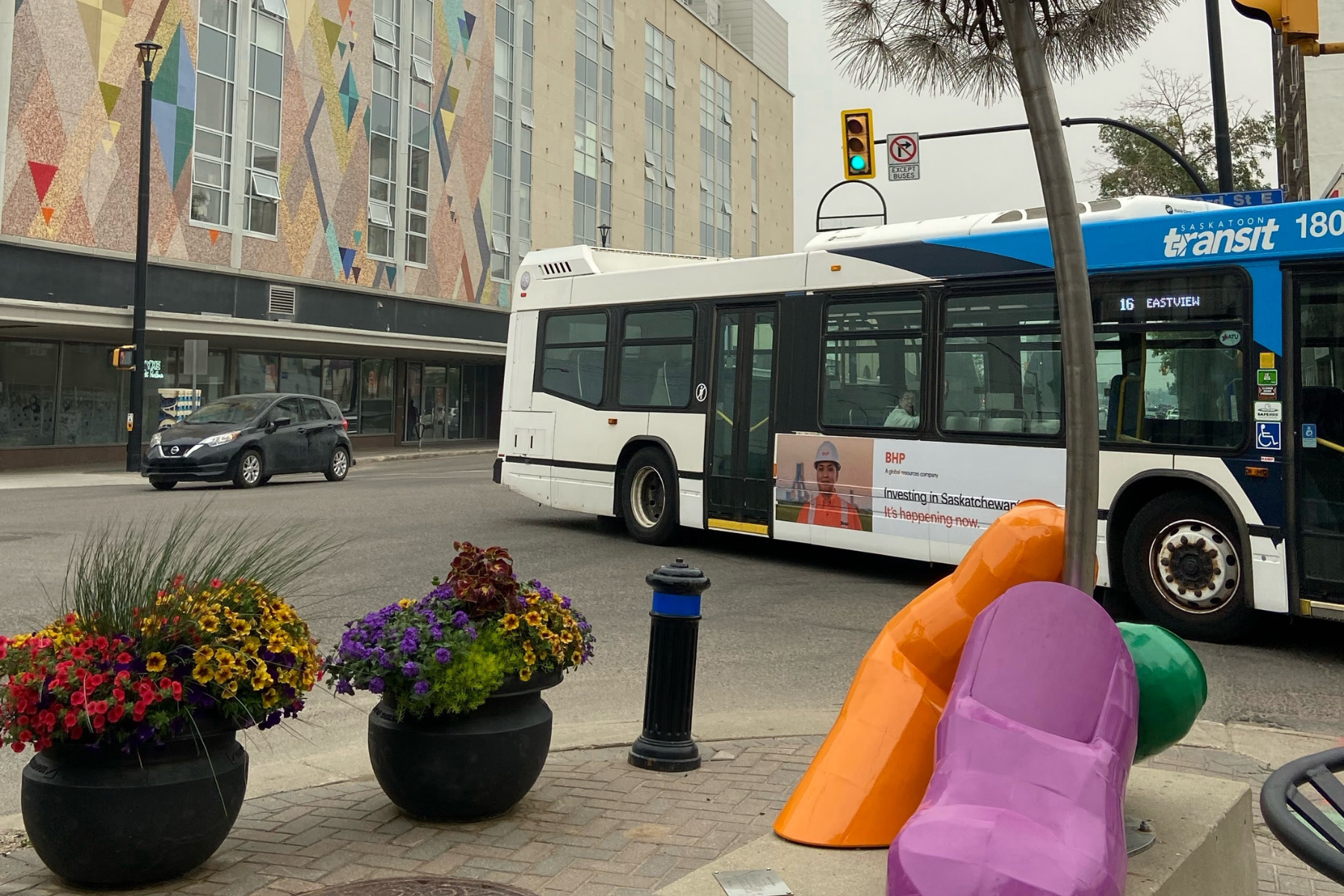
 Public transportation is operated by Saskatoon Transit, the city’s municipal bus system. Transit connects downtown, the University of Saskatchewan, shopping centres, and most suburban areas.
Buses are the primary form of public transit as Saskatoon does not currently have light rail or subway service.
Public transit is very accessible:
- Single adult fare: approximately CA$2.75 – CA$3.00 per ride
- Youth fare: slightly lower, around CA$2.00 – CA$2.50
- Children (under school age): often free
- Adult monthly pass: roughly CA$85 – CA$100
- Student monthly pass: typically CA$60 – CA$75
Check out our full guide to Canada’s public transport system if you’re a newbie and still figuring it out.
Cycling
Saskatoon has a network of bike lanes and multi-use pathways, and the most enjoyable ones are along the river valley. Cycling is seasonal due to the long, freezing winters. Your only costs will be maintenance and necessary gear such as rain gear, lights, and baskets.
Ridesharing and taxis
Ridesharing services operate in Saskatoon and provide app-based transportation across the city.
Available options include Uber, Lyft, Ola, and Didi.
Taxis are also widely available. Most locals only use these for special occasions due to the costs being higher than driving or taking the bus. The best way to hail a taxi in Saskatoon is by calling one of the main providers:
- Riide: (306) 652-2222
- Hey Taxi: (306) 668-8888 (they also have an app)
- Comfort Cab: (306) 242-6666
- Radio Cabs: (306) 242-2626
- Captain Taxi: (306) 242-0000
Parking in Saskatoon
Since most people drive in Saskatoon, there are a variety of options for parking depending on your needs:
- Metered on-street parking: ~CA$1.50 – CA$2.50 per hour
- Free residential street parking: free (may have seasonal restrictions)
- Surface parking lots: ~CA$6 – CA$12 per day
- Parking garages and parkades: ~CA$8 – CA$15 per day
- Monthly permit parking (downtown): ~CA$100 – CA$200 per month
- Residential parking permits: ~CA$20 – CA$50 per year
- University and institutional parking: ~CA$60 – CA$120 per month (varies by zone)
- Event parking: ~CA$10 – CA$20 per event
- Accessible parking stalls: same as regular rate (free only if applicable permit displayed)
- Loading zones and short-term pickup areas: free short stays (time-limited)
- Park-and-ride lots: ~CA$2 – CA$5 per day (when available)
How much does it cost to eat in Saskatoon?
Grocery costs in Saskatoon
In Saskatoon, grocery costs depend on household size, shopping habits, and how often you cook at home. Typical monthly spending is:
- Single person: CA$325 – CA$500/month
- Family of four to five: CA$900 – CA$1,400/month
Because Saskatoon is located in a major agricultural region, eating seasonally is easier and can make a noticeable difference in both cost and freshness.
Here are some ways to keep grocery bills manageable:
- Watch weekly flyers and stock up on staple sale items
- Buy pantry basics like rice, oats, and lentils in bulk
- Shop at the Saskatoon Farmers’ Market for in-season produce and locally raised meat
- Grow a small garden – even balcony pots for herbs, tomatoes, and greens can reduce monthly spending
- Take advantage of Saskatchewan’s strong local agriculture, which includes lentils, grains, beef, root vegetables, and Saskatoon berries.
Smart shopping tip: Make friends with your local farmers at the markets. Many are willing to discount slightly imperfect produce, especially near closing time, and it’s a great way to build community while saving money.
Cost of dining out
Saskatoon hosts over 700 diverse food establishments. Here’s a small list of some favourites, based on price range.
Cheap eats CA$10 – CA$17
- Fuh Station: Vietnamese
- Taste of Syria: Middle Eastern
- Japa Shack: Japanese fusion
Mid-range CA$18 - CA$40
- Aroma Restaurant (Contemporary Canadian)
- Odd Couple (Asian fusion)
- Las Palapas Resort Grill (Mexican)
Fine dining CA$35 – CA$70
- Little Grouse on the Prairie (Italian)
- Hearth Restaurant (Contemporary Canadian)
- Filosophi Wise Cuisine (New Canadian)
Things to do in Saskatoon
Saskatoon activities range from museum and gallery visits to nature experiences and family fun. Here’s a list of some of the top paid and free activities in Saskatoon for all ages.
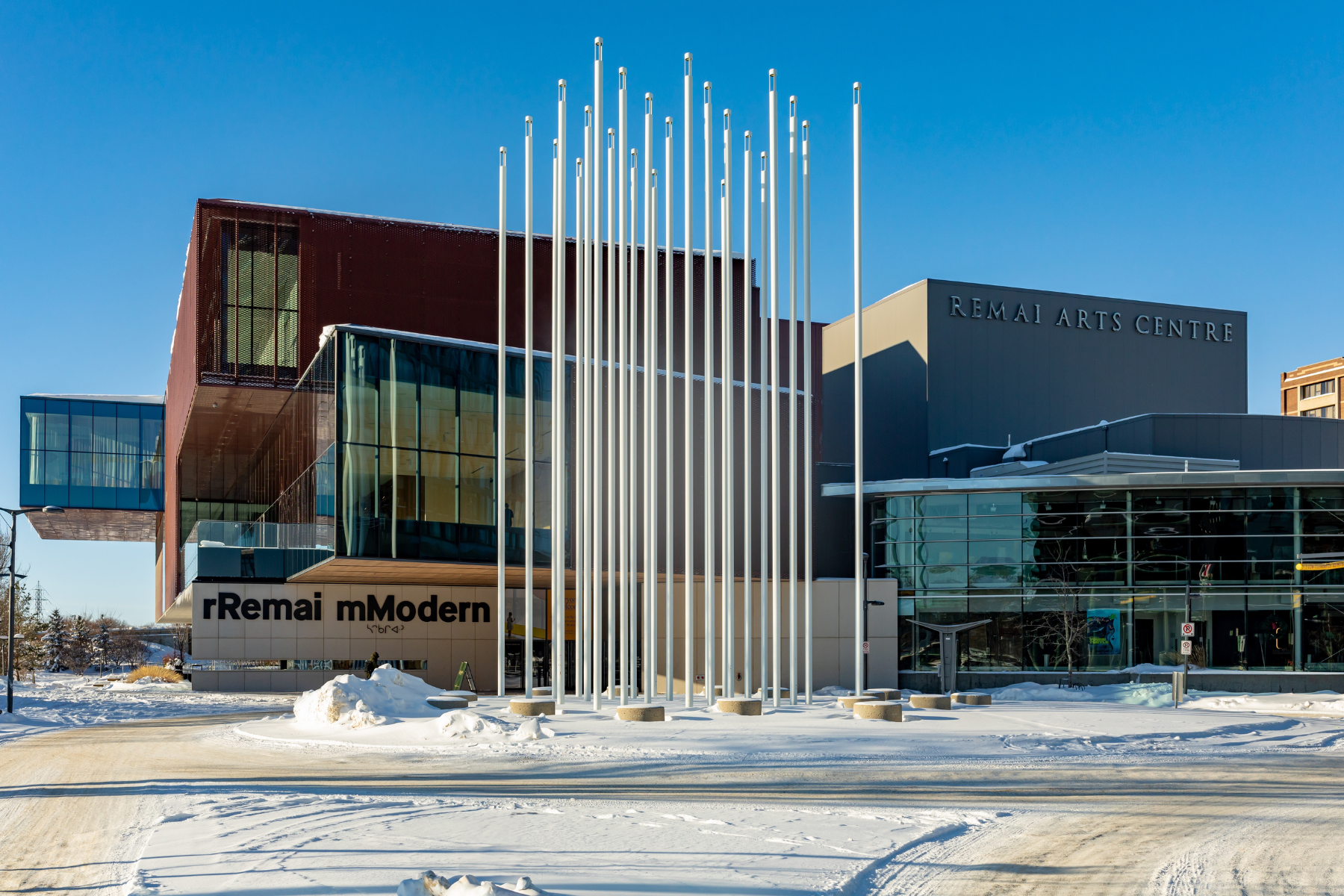
 Saskatoon’s leading contemporary art museum is known for its world-class exhibits, including a Picasso collection. The architecture alone is worth seeing!
- By donation, free entry for members, seniors, and children.
Deepen your Indigenous awareness at this cultural centre featuring interpretive trails, exhibits, history, guided tours, and hands-on educational activities.
- Adult (18-64): CA$16
- Student: CA$12
- Senior (65+): CA$10
- Child (6-17): CA$8
- Child (5 and under): Free
- Family (up to 6): CA$40 (parking CA$5/day)
Spend a day reliving the past at this interactive museum with exhibits on architecture, automobiles, settlement, colonization, and agriculture.
- Adult: CA$15
- Senior (55+): CA$13
- Youth (6-7): CA$9
- Child (5 and under): Free
- Family (2 adults + up to 3 kids): CA$30
Prairie Lily Riverboat Cruise
A fun and peaceful paddle-wheel cruise along the South Saskatchewan River to witness nature and catch some scenic views of the city.
Indoor climbing gyms
Climbers of all ages can improve their climbing and bouldering. You can also skip the climbing and join some fitness classes. The two main climbing gyms are Grip It and Clip ‘n Climb.
- Prices vary by studio and activity.
River Valley kayak and SUP rentals
Stay active and get that fresh air by renting a SUP or kayak, enjoying the river in a different way.
- Kayak or paddleboard rental: ~CA$25 – CA$45+ per hour (seasonal, prices vary by provider)
Free activities in Saskatoon
- Meewasin Valley trail and riverfront: Locals and visitors gather along the South Saskatchewan River for walking, cycling, picnics, and kayaking.
- Bessborough Gardens: For the plant and flower lovers, there are public gardens around the historic Bessborough riverfront hotel.
- University of Saskatchewan campus walks: History buffs and academia fans can take a self-guided exploration of historic buildings and campus grounds.
- Blackstrap Provincial Park: Plan a day trip for hiking and enjoying the reservoir scenery.
Events in Saskatoon
- SaskTel Saskatchewan Jazz Festival (July): A huge outdoor music festival featuring jazz, blues, and international artists.
- CA$40 – CA$90 per show; festival passes are higher
- Saskatoon Fringe Festival (July/August): An independent theatre festival with street performances and live shows.
- Outdoor site is free
- Indoor shows are CA$15 – CA$20 per performance
- The Saskatoon EX (August): This is a large summer fair with rides, concerts, midway games, and fireworks.
- Gate admission CA$15 – CA$20
- Ride passes cost extra
- Saskatoon Folkfest (August): A multicultural festival with international food pavilions, music, and dance.
- Button/pass is CA$15 – CA$20 for pavilion access
- National Indigenous Peoples Day Events (summer solstice): Cultural performances, ceremonies, and pow-wow celebrating the longest day
- Rock Your Roots Walk for Reconciliation (June): Community walk supporting reconciliation and Indigenous initiatives.
- Free, but best to register first.
- Saskatoon Blades games: Western Hockey League Hockey games.
- Tickets are CA$15 – CA$40+
- Saskatchewan Rush lacrosse: Professional lacrosse matches.
Moving to Saskatoon?
 With its affordable housing, short commutes, and lower everyday costs, Saskatoon is one of the easiest Canadian cities to settle into. Whether you’re relocating for work, study, or a lifestyle change, finding the right place to live is the first step to feeling at home.
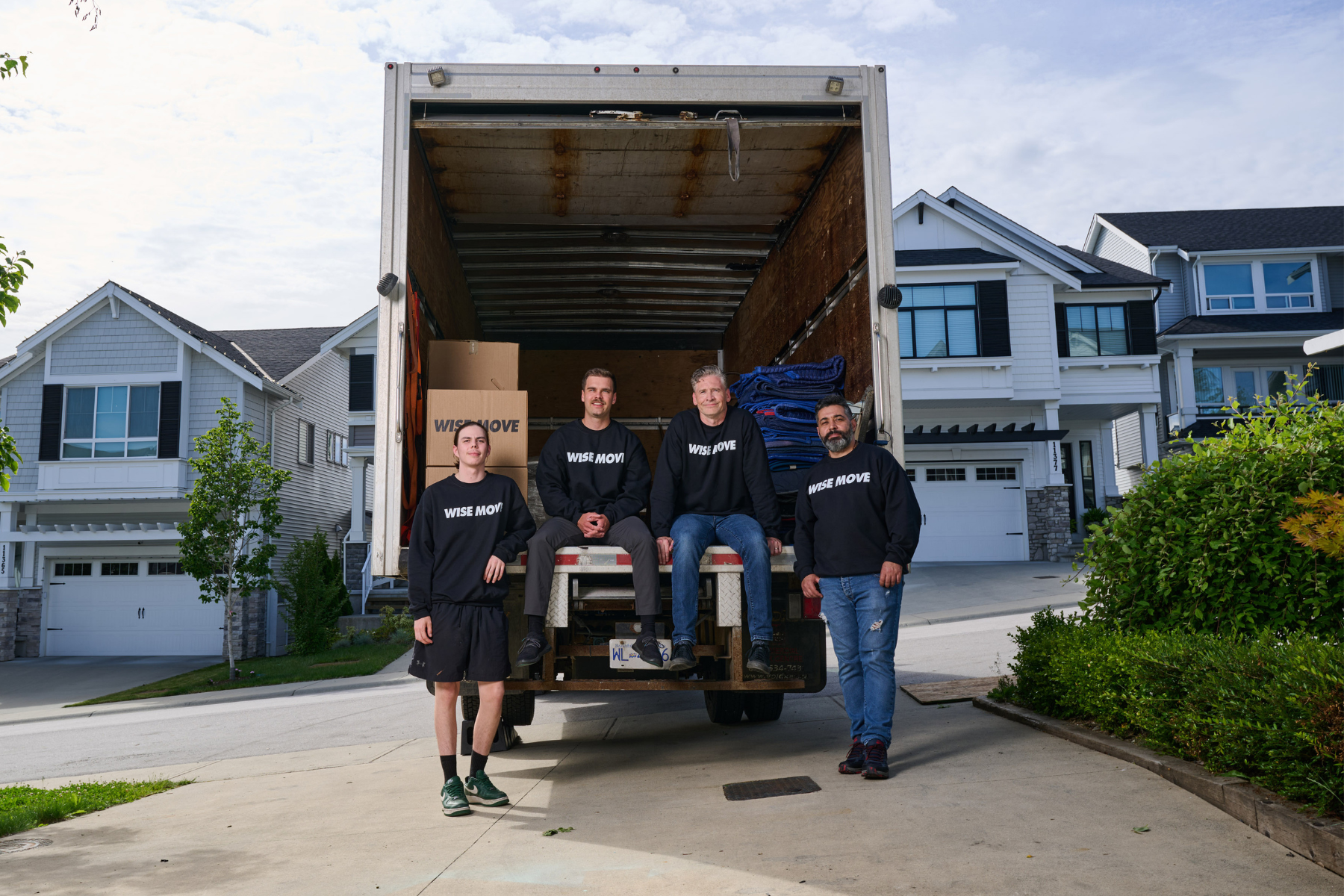
Once you’ve chosen your neighbourhood, the next challenge is getting there smoothly. Whether you’re moving into a rental, buying your first home, or relocating across the province, having the right moving team can make all the difference. That’s where Wise Move comes in!
Wise Move makes moving to Saskatoon simple, affordable, and stress-free. Our best Saskatoon movers can handle your belongings with care, giving you a trusted moving service that fits your budget, timeline, and new chapter in the city.




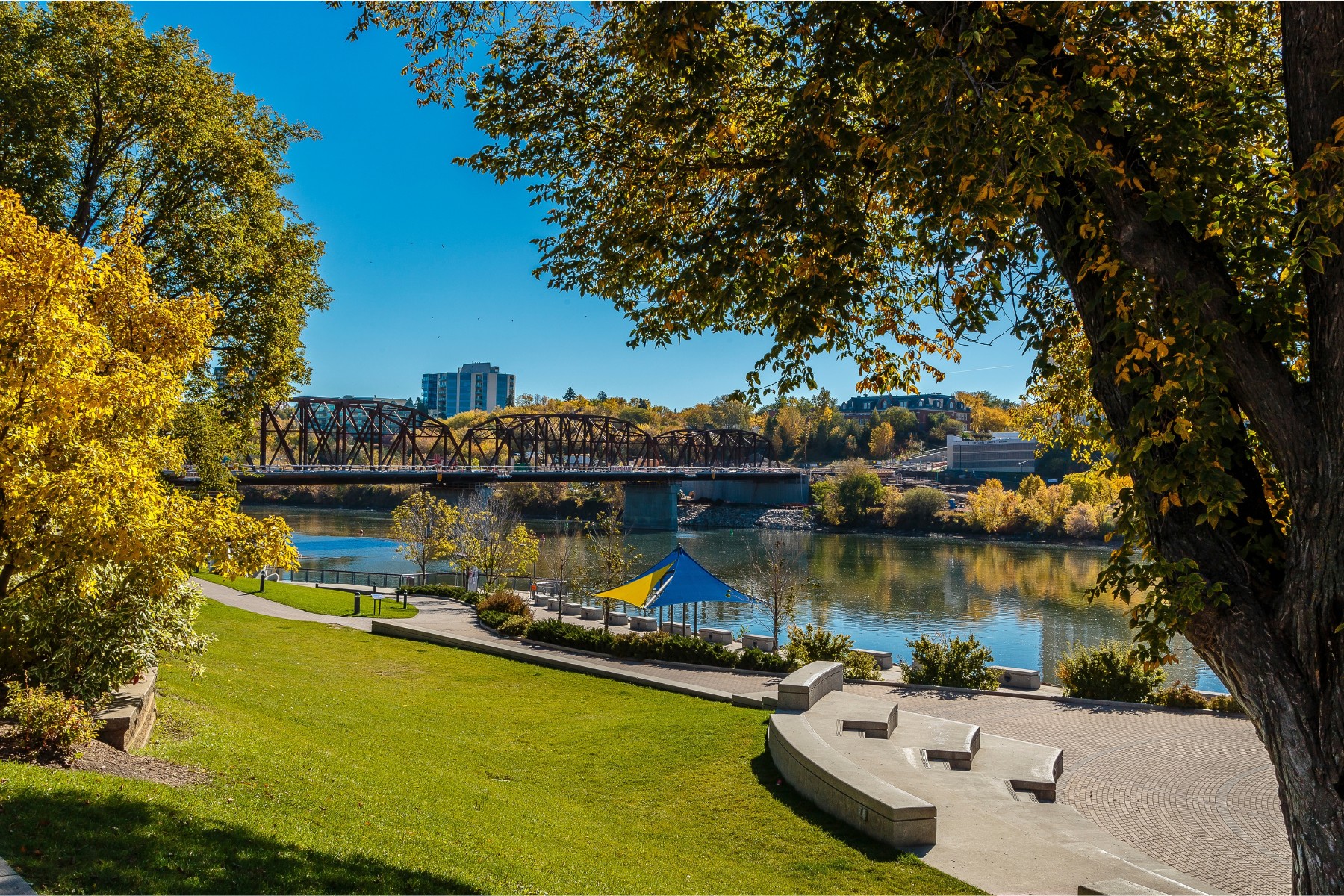
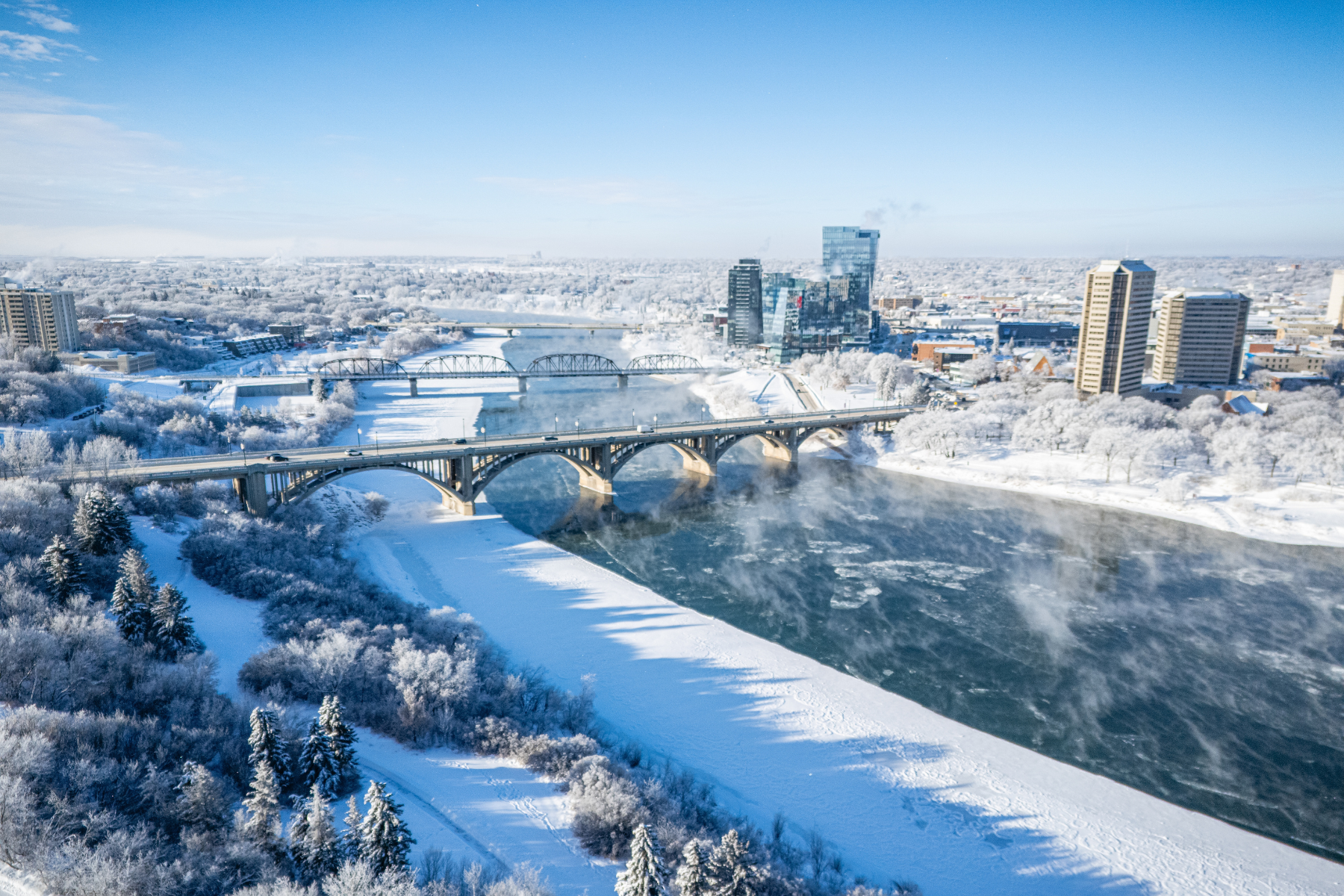 Saskatoon stands out for its affordability, natural beauty, and relaxed pace of life, but there are trade-offs to consider.
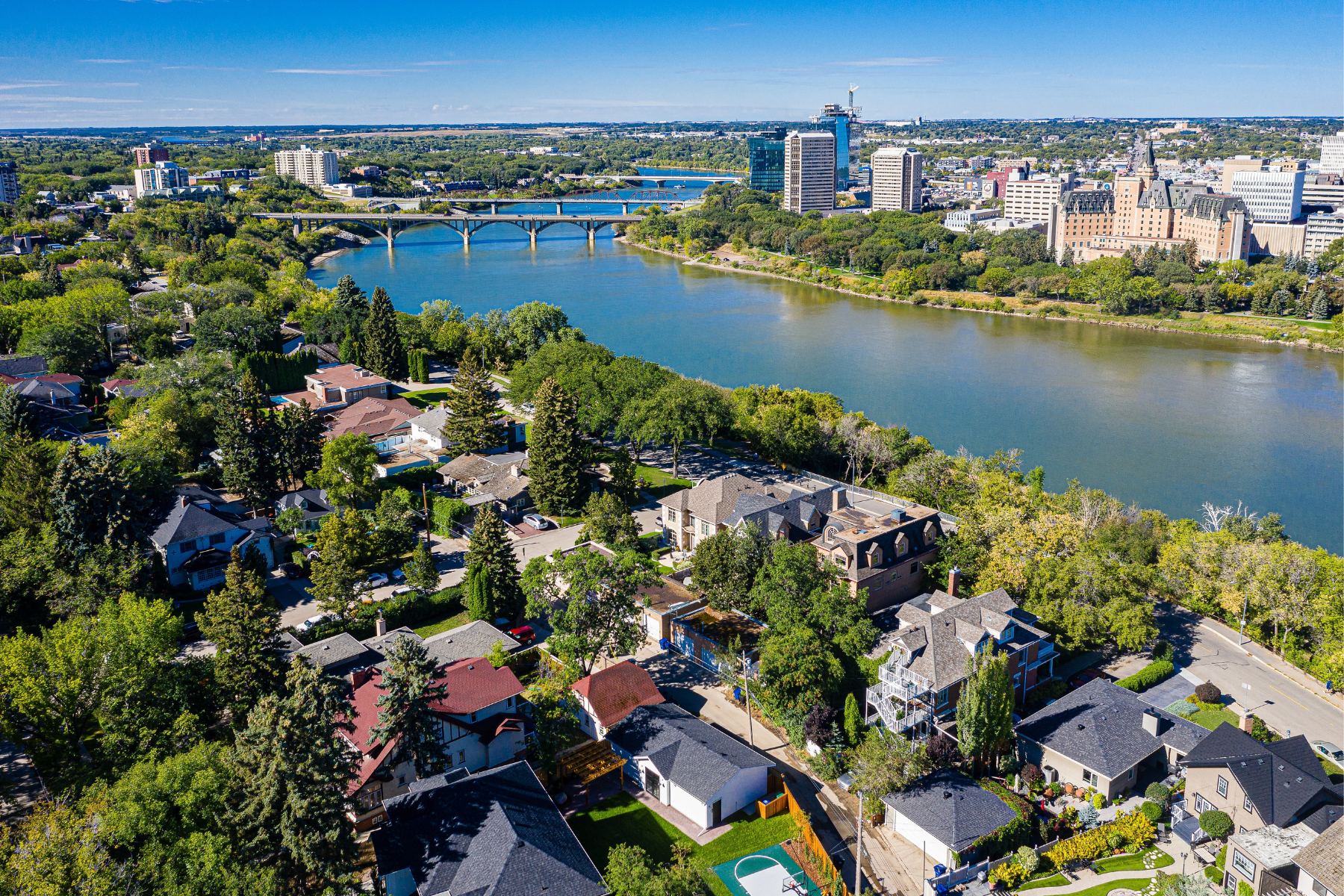 Not only is Nutana close to both the river and Broadway Avenue, but it’s also full of beautiful character homes, fun cafes, and it’s walkable. It’s a perfect mix of charm and ease.
 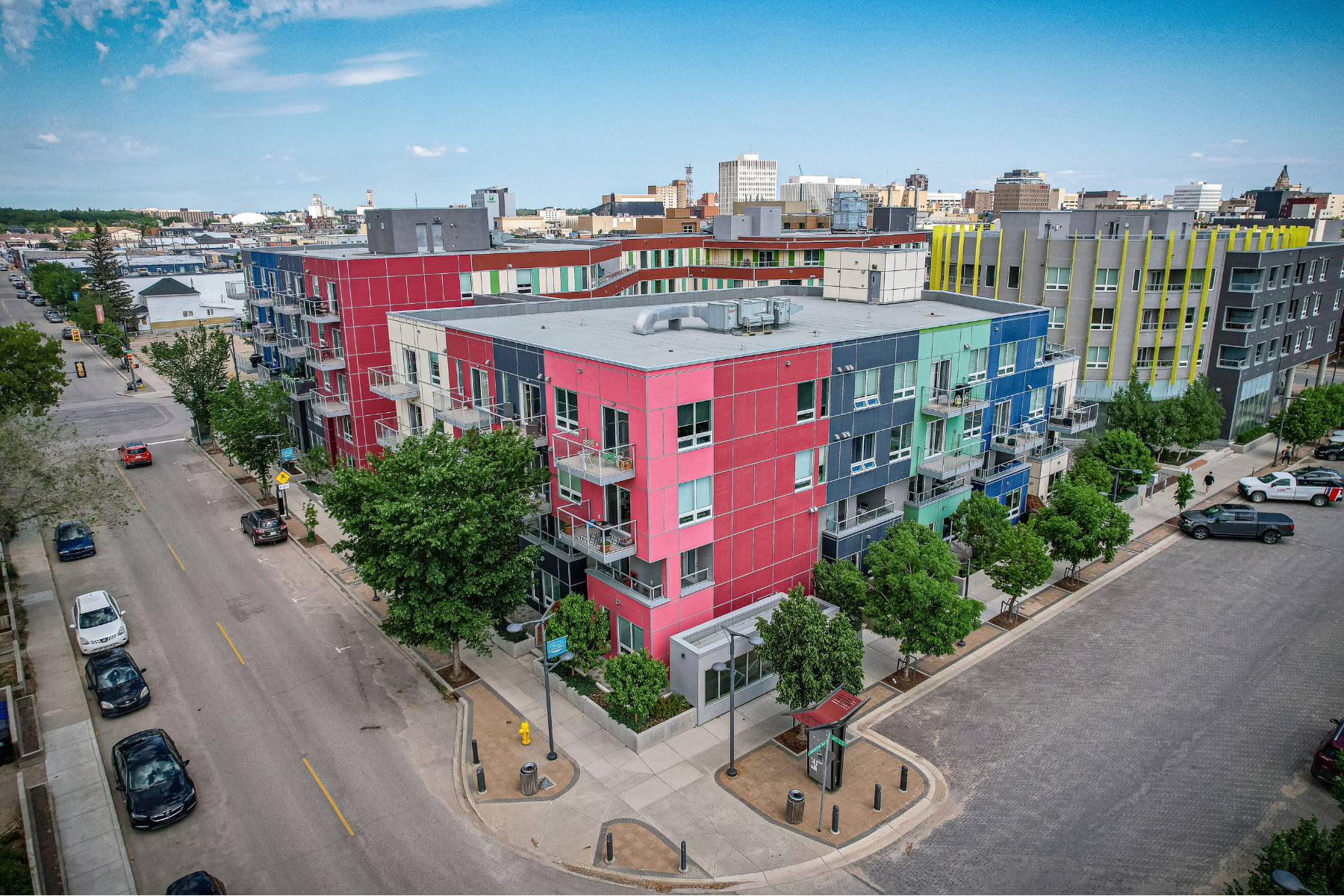 For those wanting a little dazzle, Riversdale is both trendy and artsy, and it’s close to both downtown and the river. Its proximity to hip restaurants and galleries makes it appealing for younger professionals and creatives.
  This is one of the newest developments in Saskatoon, which means the homes are contemporary and the amenities are thorough.
  Public transportation is operated by Saskatoon Transit, the city’s municipal bus system. Transit connects downtown, the University of Saskatchewan, shopping centres, and most suburban areas.
 Saskatoon’s leading contemporary art museum is known for its world-class exhibits, including a Picasso collection. The architecture alone is worth seeing!
  With its affordable housing, short commutes, and lower everyday costs, Saskatoon is one of the easiest Canadian cities to settle into. Whether you’re relocating for work, study, or a lifestyle change, finding the right place to live is the first step to feeling at home.
![How much do you need to earn to live comfortably in Vancouver? [2026]](https://cdn.wisemove.ca/image/blog/7036030cc91de9cff4153dc88aa88f85.jpeg "How much do you need to earn to live comfortably in Vancouver? [2026]")
![The Cost of Living in Canada [2025]](https://cdn.wisemove.ca/image/blog/fd5e6f8de7a01a874376620f785ffdba.jpeg "The Cost of Living in Canada [2025]")
![The cost of living in Quebec City [2025]](https://cdn.wisemove.ca/image/blog/844c494aff67e504755aa1926c2fe686.jpeg "The cost of living in Quebec City [2025]")
![The cost of living in Ottawa [2025]](https://cdn.wisemove.ca/image/blog/05c56698337852b128efa8b1144e6466.jpeg "The cost of living in Ottawa [2025]")
![The Cost of Living in Winnipeg [2025]](https://cdn.wisemove.ca/image/blog/8874f5688baa4a1291d7eae6c507f8aa.jpeg "The Cost of Living in Winnipeg [2025]")
![The Cost of Living in Edmonton [2025]](https://cdn.wisemove.ca/image/blog/85d8f0085c5276a3f3add5828109b82a.jpeg "The Cost of Living in Edmonton [2025]")
![The Cost of Living in Montreal [2025]](https://cdn.wisemove.ca/image/blog/3d9ba911fae51ef6bf042019500f2c4b.jpeg "The Cost of Living in Montreal [2025]")
![The Cost of Living in Toronto [2025]](https://cdn.wisemove.ca/image/blog/ded0549bf885e2463f6b3516d9f8f021.jpeg "The Cost of Living in Toronto [2025]")
![The Cost of Living in Calgary [2025]](https://cdn.wisemove.ca/image/blog/44a5bcb6ebf6c658f5c5fe30ab7077c9.jpeg "The Cost of Living in Calgary [2025]")
![The Cost of Living in Victoria [2025]](https://cdn.wisemove.ca/image/blog/012c60baf3a9dd52b2112857fe508e4c.jpeg "The Cost of Living in Victoria [2025]")
![How much do you need to earn to live comfortably in Winnipeg? [2025]](https://cdn.wisemove.ca/image/blog/d52ddc1f425f60fd553dcc00f7eb0fb5.jpeg "How much do you need to earn to live comfortably in Winnipeg? [2025]")
![How much do you need to earn to live comfortably in Montreal? [2025]](https://cdn.wisemove.ca/image/blog/80e0ee82a5a92d9451b96ff875513ee4.jpeg "How much do you need to earn to live comfortably in Montreal? [2025]")
![How much do you need to earn to live comfortably in Toronto? [2025]](https://cdn.wisemove.ca/image/blog/de7b110360e9510bfcb89724b7ef9af4.jpeg "How much do you need to earn to live comfortably in Toronto? [2025]")
![How much do you need to earn to live comfortably in Victoria? [2025]](https://cdn.wisemove.ca/image/blog/f0bdeb7f43a3340afba84793c4fddbac.jpeg "How much do you need to earn to live comfortably in Victoria? [2025]")