Believe it or not, Canada is not just one giant snow globe. From humid Toronto summers and rainy Vancouver mornings to Prairie cold snaps and proper East Coast wind, what you pack depends a lot on where you’re going and when.
That’s what catches a lot of travellers out. A sunny July day in Montréal calls for something very different from a June evening in Banff, and “spring” in Canada can still mean boots, a jacket, and a weather app you check every hour.
This guide breaks down what to wear in Canada by season, so you can pack for the reality, not the postcard. Whether you’re heading to the city, the mountains or the coast, here’s what to expect and what to throw in your suitcase.
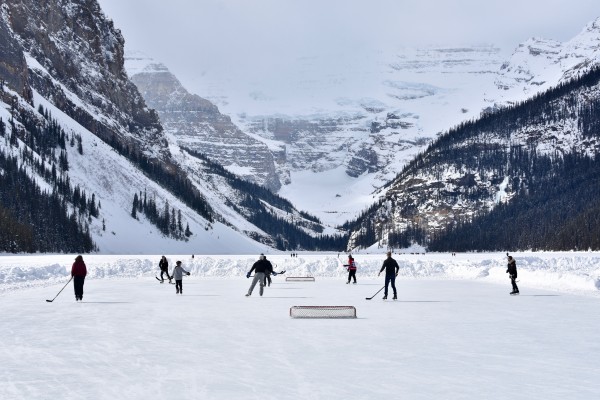
What to wear in Canada: January and February (peak winter)
The Canadian winter is not playing around. January and February are the months that make people from milder climates question every life choice that brought them here.
What to expect in peak winter
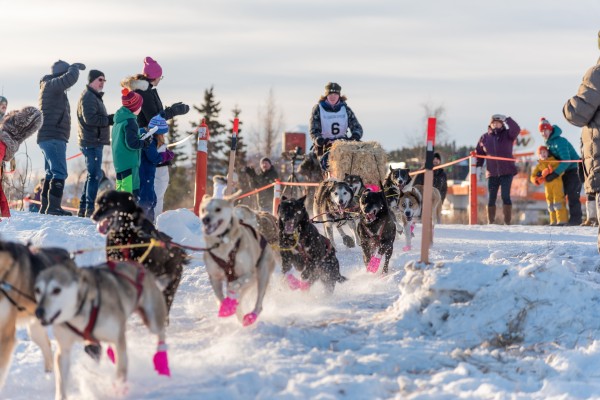
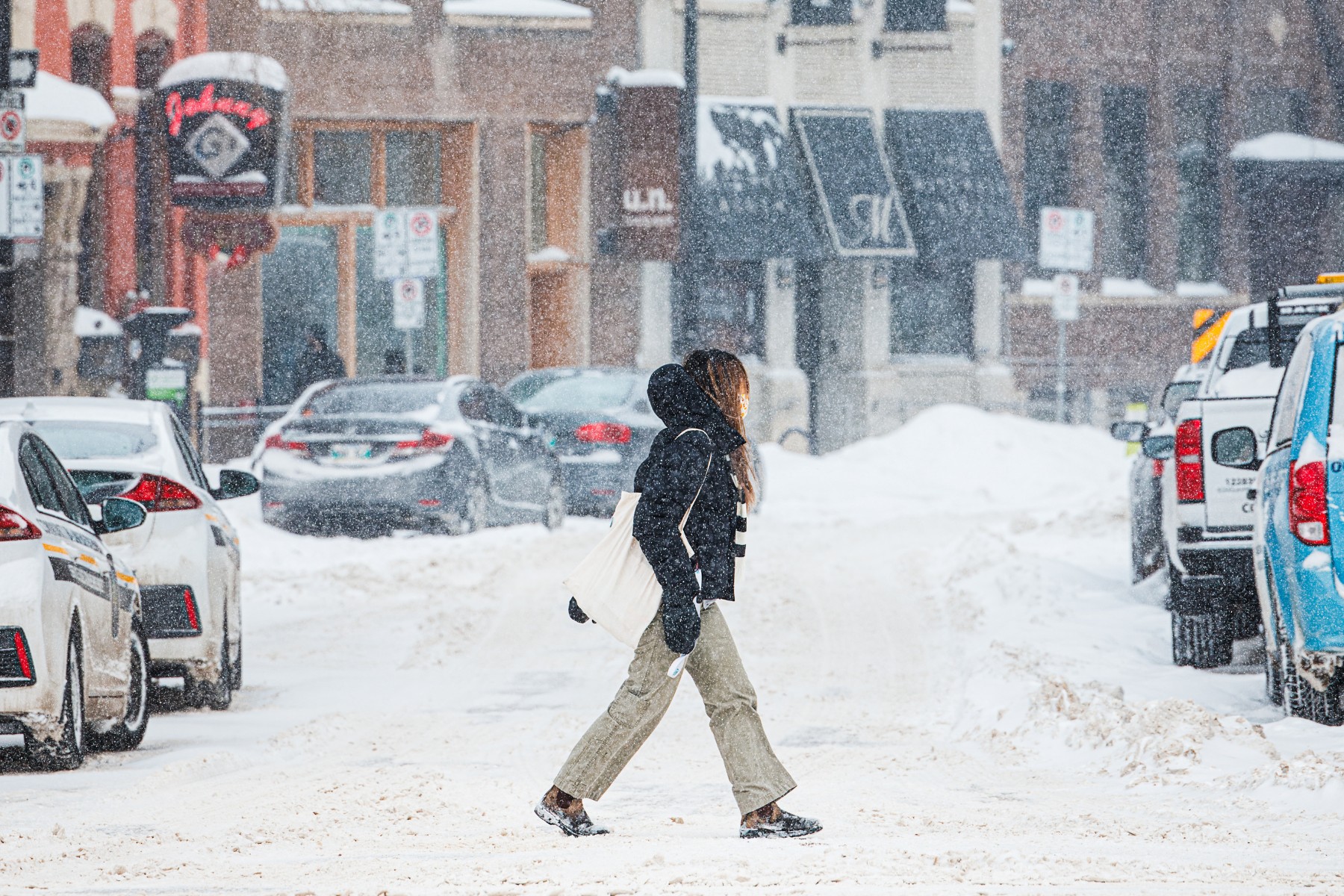
This is the coldest stretch of the year across much of Canada. Snow, ice, wind chill, and shorter daylight hours are all part of the package, though winter conditions vary by region and can shift quickly.
- In places like Winnipeg, Edmonton, and Ottawa, deep cold, icy sidewalks and face-freezing wind can all show up in one day.
- If you’re sticking to Vancouver or Victoria, you’ll usually dodge the worst of the extreme cold, but you’ll trade it for damp, grey weather and steady rain.
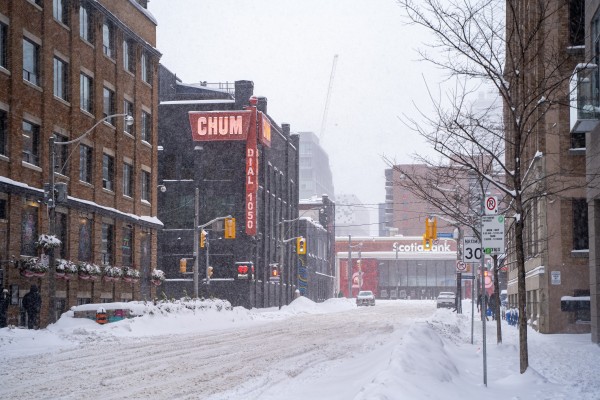
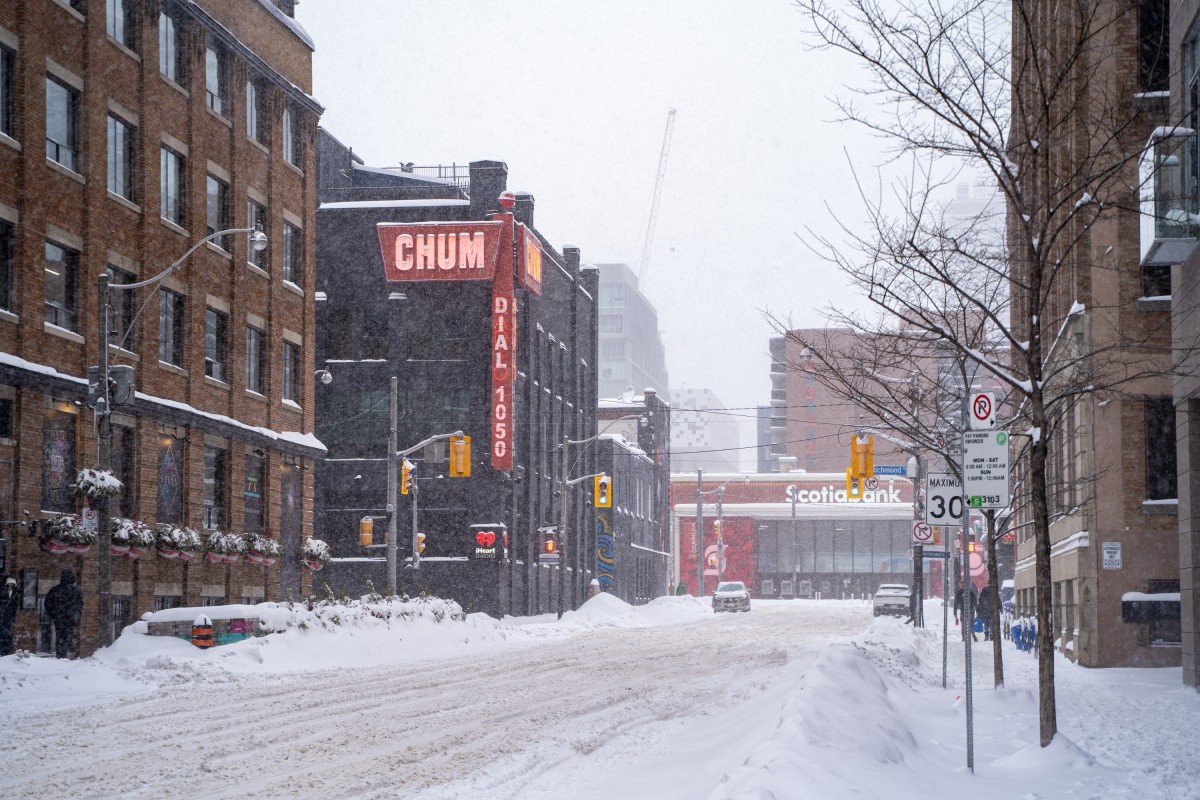
- In Montréal, Québec City and much of Atlantic Canada, winter feels more dramatic, with snow, wind, and those deceptively pretty days that are absolutely brutal once you step outside.
Clothes to pack for January and February in Canada
This is the season for proper winter gear. Pack:
- Heavy insulated winter coat
- Thermal base layers
- Knitwear or fleeces for layering
- Waterproof boots with a good grip
- Thick socks
- Gloves or mittens
- A warm hat that actually covers your ears
- A scarf or neck warmer
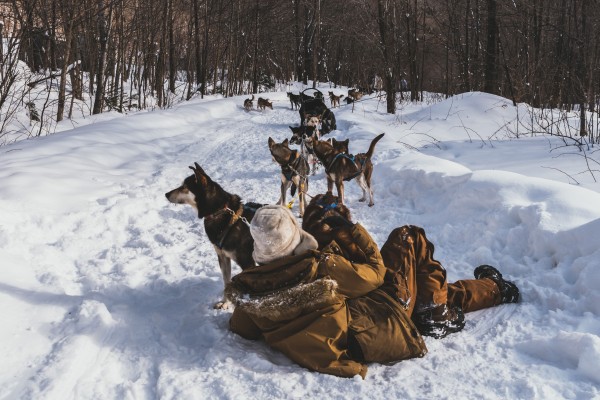
Cool tip, literally: If you’re planning to spend time outdoors, snow pants are worth it. And yes, sunglasses still matter, especially when the sun bounces off snow and ice.
What to wear in Canada: March and April (late winter to spring)

These are the months where Canada starts dropping hints about spring, then immediately changes its mind. One day it’s sunny and hopeful, the next day there’s sleet. Snow starts melting in many cities, which sounds lovely until you realize that means slush. So much slush (and the smell that comes with it).
What to expect in late winter to spring
Spring arrives unevenly across Canada. Conditions can include melting snow, rain, chilly winds, and fluctuating temperatures, especially between day and night.
- By April, places like Toronto, Calgary and Halifax can feel lighter and milder, but don’t expect full-blown spring fashion freedom just yet.
- In much of the country, mornings and evenings still run cold, and weather swings are normal.
Clothes to pack for March and April in Canada
The March mantra is layers, layers, and more layers. Pack:
- Medium-weight jacket
- Sweaters or hoodies
- Long-sleeved tops
- Jeans or other full-length trousers
- Waterproof shoes or ankle boots
- Umbrella
- Sunglasses for bright days
A beanie and lighter gloves are still a good idea in early spring, especially if you’re heading anywhere outside the biggest city centres.
What to wear in Canada: May and June (spring to early summer)
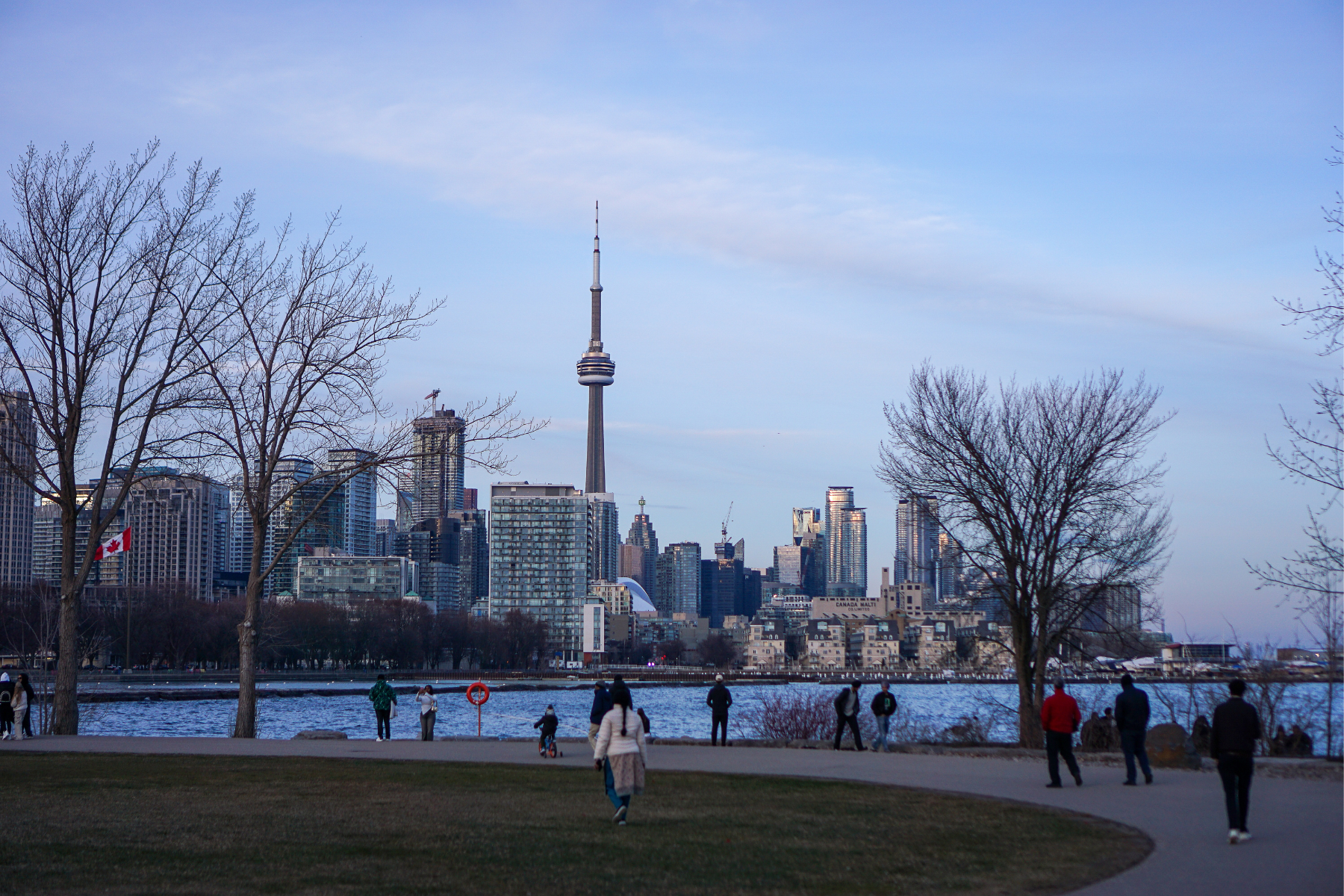
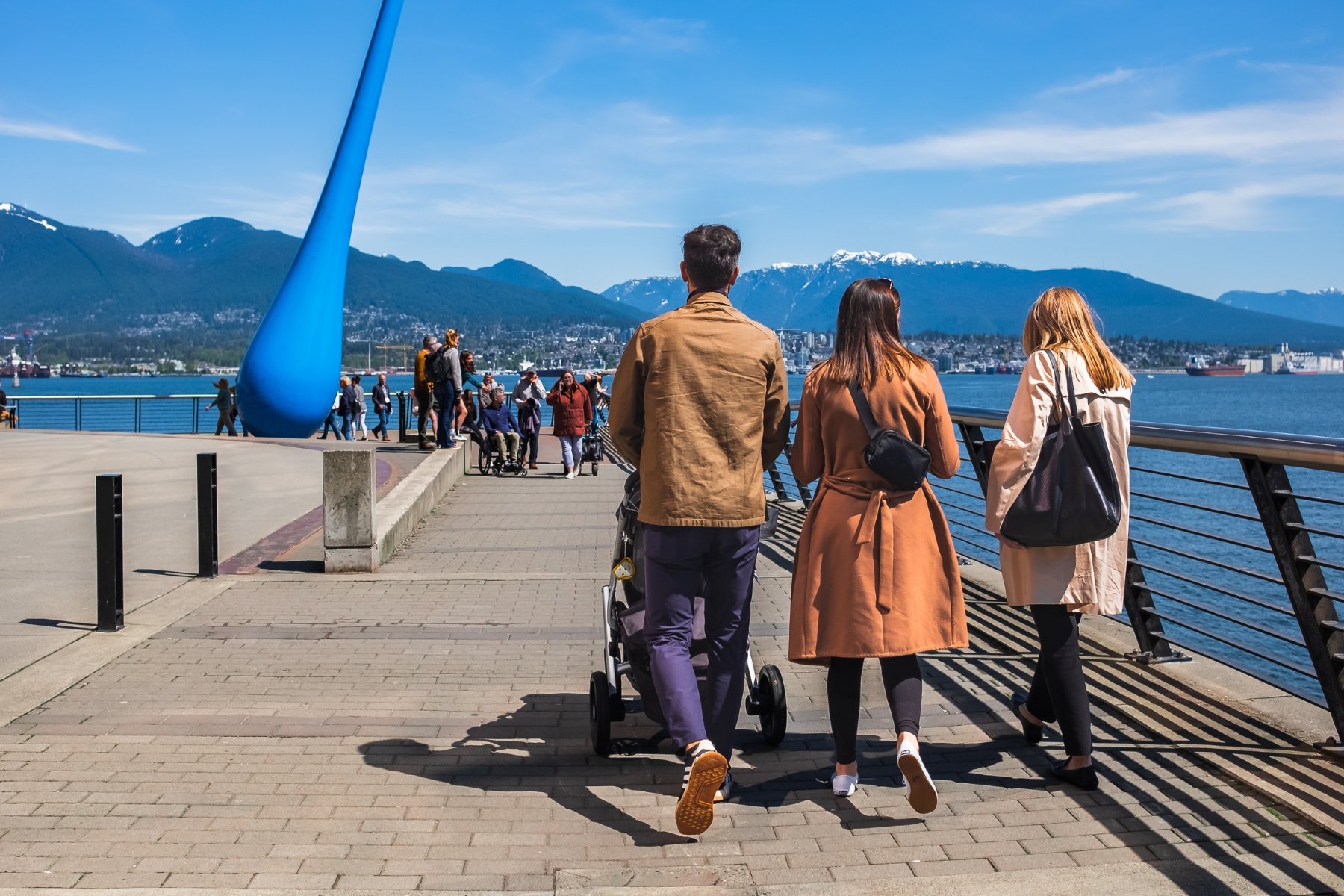
 Now we’re getting somewhere. May and June are some of the nicest months to travel in Canada, especially if you like that sweet spot where it’s fresh but not freezing. Trees are green again, patios are coming alive, and people start coming after surviving a national trauma. That said, Canada is still doing Canada things.
What to expect in spring to early summer
Temperatures generally warm up in late spring and early summer, but conditions still vary widely by province, elevation, and proximity to the coast. Even in warmer months, evenings can cool down quickly.
- Vancouver can be mild and damp.
- Calgary can swing wildly in temperature.
- Evenings in places like Banff, Whistler, or even cottage country in Ontario can still get properly chilly.
Clothes to pack for May and June in Canada
This is the season for flexible layering. Bring:
- T-shirts and light long-sleeved tops
- Light jacket or shacket
- Jeans, leggings or casual trousers
- Comfortable sneakers
- Compact rain jacket
- Sunglasses
- One warmer layer for evenings
If you’re hiking or road-tripping, throw in quick-dry clothes and an extra fleece. The weather may be lovely, but it still likes surprises.
What to wear in Canada: July and August (summer)
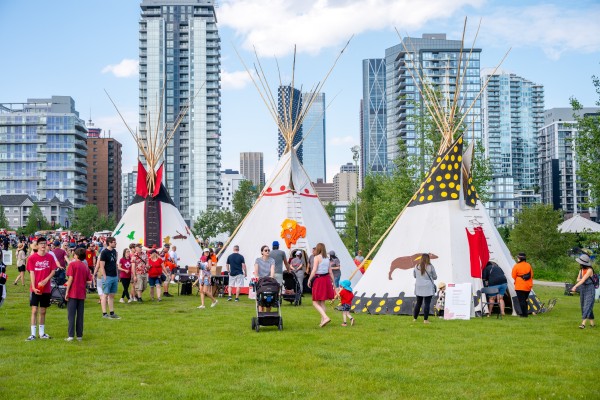
Summer in Canada is elite. This is festival season, lake season, patio season, national park season, and “wow, this country is gorgeous” season.
What to expect in summer
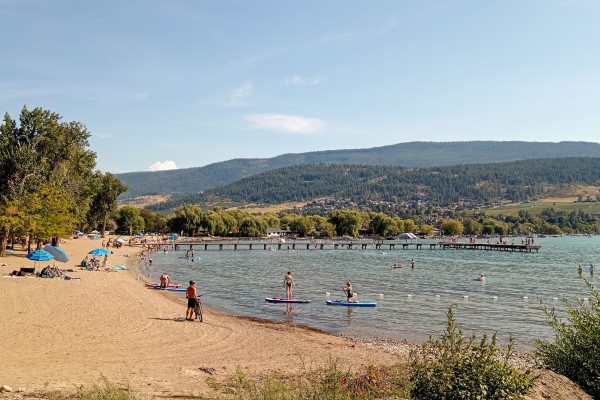
Summer brings the warmest temperatures of the year, though heat, humidity, and rainfall patterns still differ by region. Conditions can range from hot and muggy in central and eastern cities to milder on the Pacific coast and cooler in mountain areas.
- In cities like Toronto, Ottawa, and Montréal, it can get properly hot and humid.
- In Calgary and much of the Prairies, the days can be hot while evenings cool off fast.
- Coastal British Columbia is usually more moderate.
- Mountain areas like Banff and Jasper stay more comfortable than the sticky heat of central Canada.
- Up north, summer is short but intense in its own way, with long daylight hours and plenty of bugs.
Clothes to pack for July and August in Canada
This is when you want breathable, easy clothes. Pack:
- T-shirts, tank tops and light dresses
- Shorts, skirts or loose trousers
- Sandals or breathable sneakers
- Swimwear
- Hat
- UV sunglasses
- Sunscreen
- A light layer for air-conditioned spaces or cooler evenings
If you’re heading into the mountains, forests or lakeside areas, add:
- Light rain layer
- Hiking shoes
- Longer socks
- Insect repellent
- One warm top for evenings outdoors
Hot tip: Canada in summer can feel wonderfully easygoing, but don’t underestimate the sun just because there’s a lake nearby and everyone looks relaxed.
What to wear in Canada: September and October (fall)
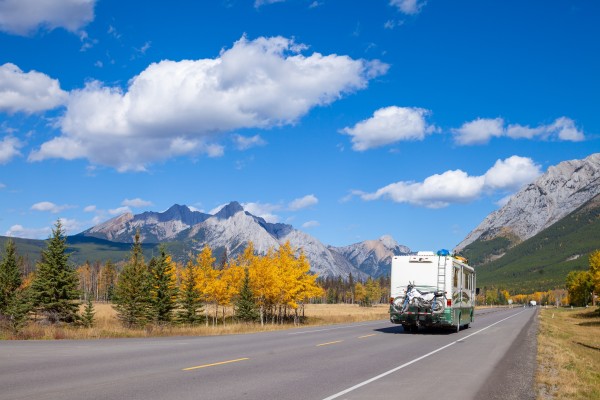
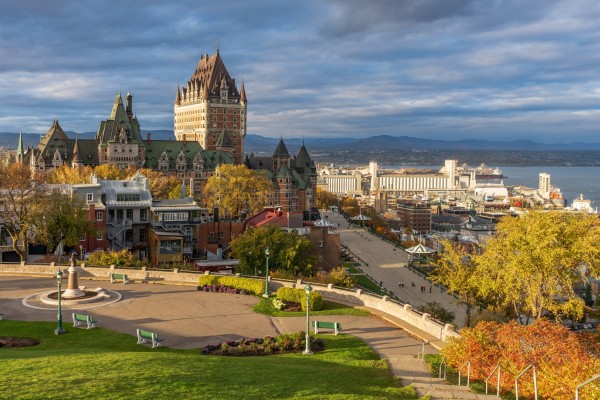
Fall in Canada is a show-off. The leaves turn, the air gets crisp, and suddenly everyone wants to go apple picking, drink something spiced and take a scenic drive. Fair enough – it’s one of the best times to be here.
September can still feel pleasantly mild in many places, especially earlier in the month. By October, though, things start shifting. You’ll notice cooler mornings, stronger winds, and that unmistakable feeling that winter is quietly waiting in the wings.
What to expect in the fall
Fall usually brings cooler temperatures, colorful foliage, and increasingly crisp conditions, especially as October progresses. Weather can still be mild early in the season, but it changes quickly across much of the country.
Clothes to pack for September and October in Canada
This is classic layering weather. Bring:
- Knitwear and light sweaters
- Long-sleeved tops
- Mid-weight jacket
- Jeans or other full-length trousers
- Closed shoes or boots
- Scarf
- Sunglasses for bright autumn days
If you’re heading to places like Québec, the Laurentians, Muskoka or the Rockies, pack an extra warm layer. The photos may look dreamy, but the air can have bite.
What to wear in Canada: November and December (late fall to early winter)
 This is when things start getting serious again. November is often that awkward in-between month where it’s cold, grey and damp, with the occasional snow tease depending on where you are. By December, winter is settling in across much of the country, and festive lights are doing a lot of emotional labour.
What to expect in late fall to early winter
Temperatures drop sharply in many parts of Canada in late fall and early winter, with increasing chances of snow, ice and freezing conditions as December approaches.
- In Vancouver, expect rain and chilly mornings.
- In Toronto, Ottawa and Montréal, early snow and icy spells are common.
- In Prairie cities and inland regions, winter can arrive hard and fast.
Clothes to pack for November and December in Canada
Now is the time to start dressing for real winter, especially later in the season. Pack:
- Warm coat
- Sweaters and thermal-friendly layers
- Boots with grip
- Thick socks
- Gloves
- Hat
- Scarf
- Rainproof outer layer if you’re visiting the West Coast
If you’re travelling in December, check local forecasts before you go. Environment and Climate Change Canada provides local forecasts, alerts and conditions across the country, which is genuinely useful when one province is dealing with mild rain, and another is deep in snow.
Bags packed and ready to visit Canada?

Canada is one of those places where the season really shapes the trip. Pack for the weather you’re actually going to get, not the version you hoped for, and you’ll have a much better time.
A little planning goes a long way here, especially when the same country can give you beach weather, mountain chill, sideways rain and snow-covered streets depending on the month and the map.



 Now we’re getting somewhere. May and June are some of the nicest months to travel in Canada, especially if you like that sweet spot where it’s fresh but not freezing. Trees are green again, patios are coming alive, and people start coming after surviving a national trauma. That said, Canada is still doing Canada things.
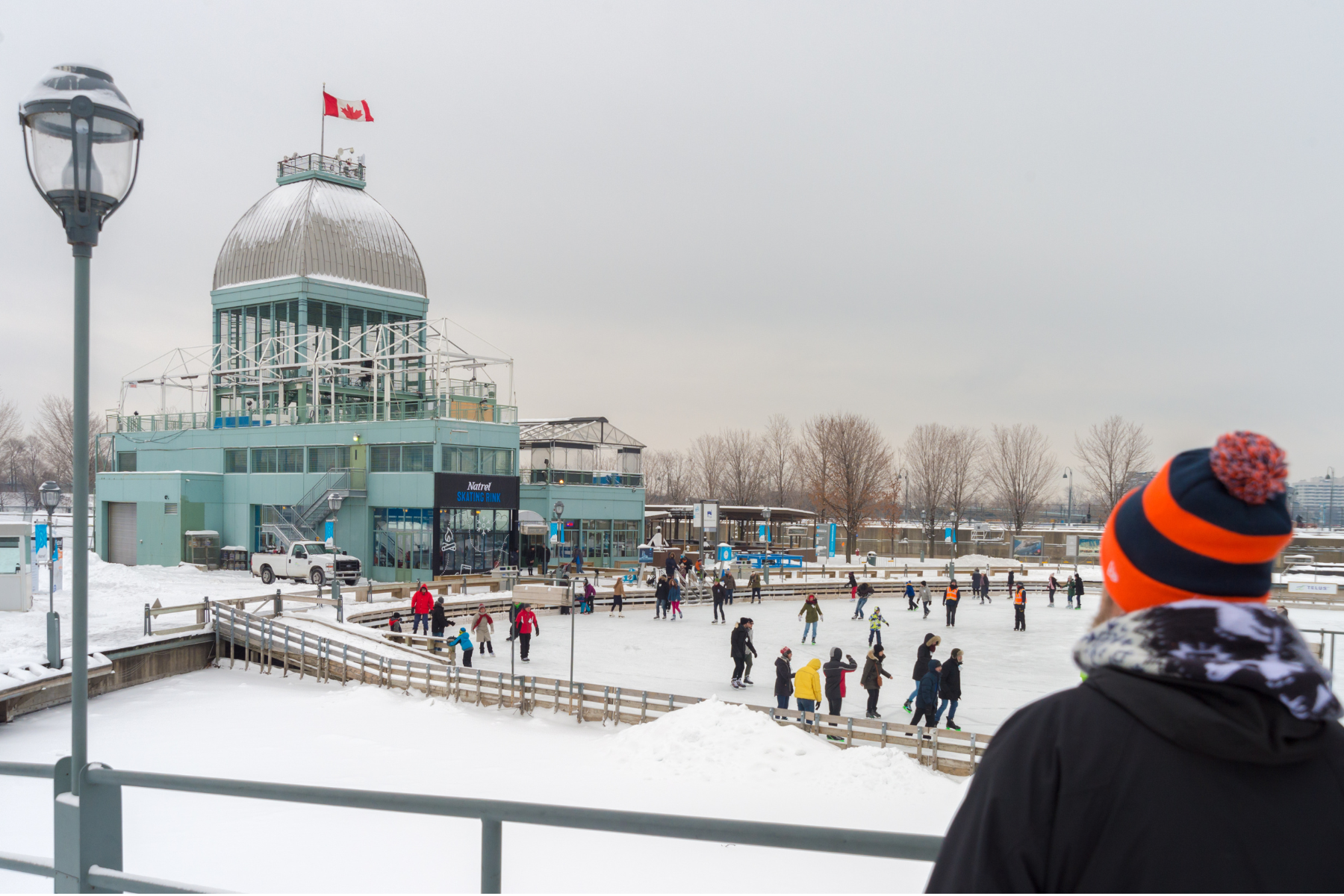 This is when things start getting serious again. November is often that awkward in-between month where it’s cold, grey and damp, with the occasional snow tease depending on where you are. By December, winter is settling in across much of the country, and festive lights are doing a lot of emotional labour.